MOME and Yamagata University are joining forces to explore the future of food culture
Researchers at Yamagata University and the Digital Object-Making specialisation of MOME’s Designer-Maker programme are investigating the future of food culture, focusing on 3D printing with soft materials and speculative food design. They are looking at how new technologies could change not only the way food is produced, but also the way we relate to food, share it with others, and attribute value to it as well as how 3D-printed food could be used in healthcare, including to help people with swallowing difficulties.
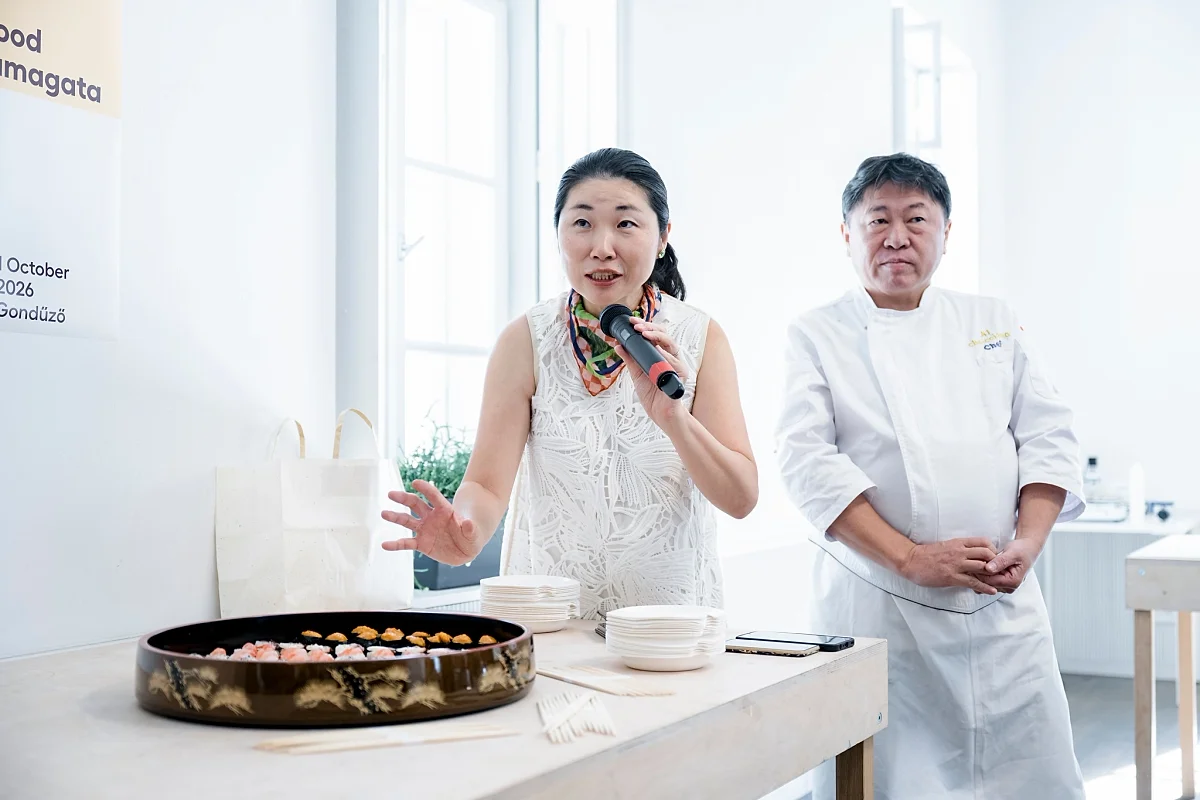
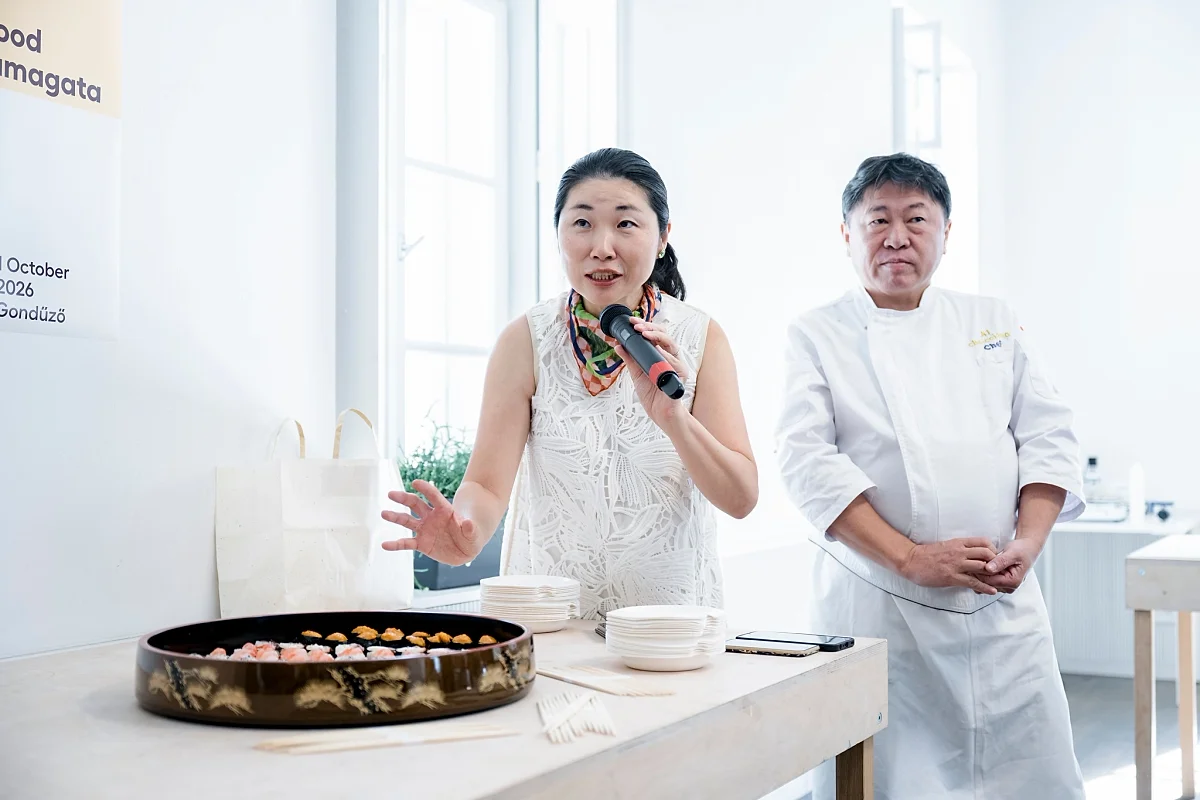
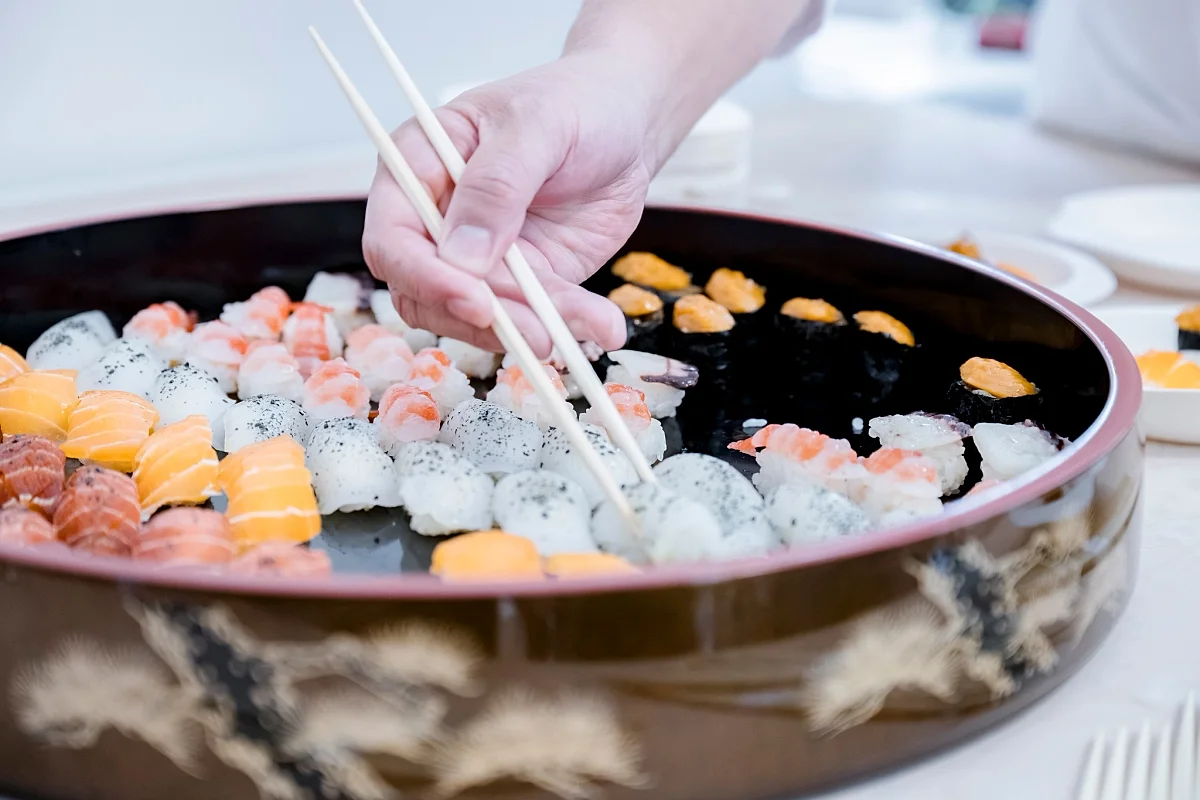
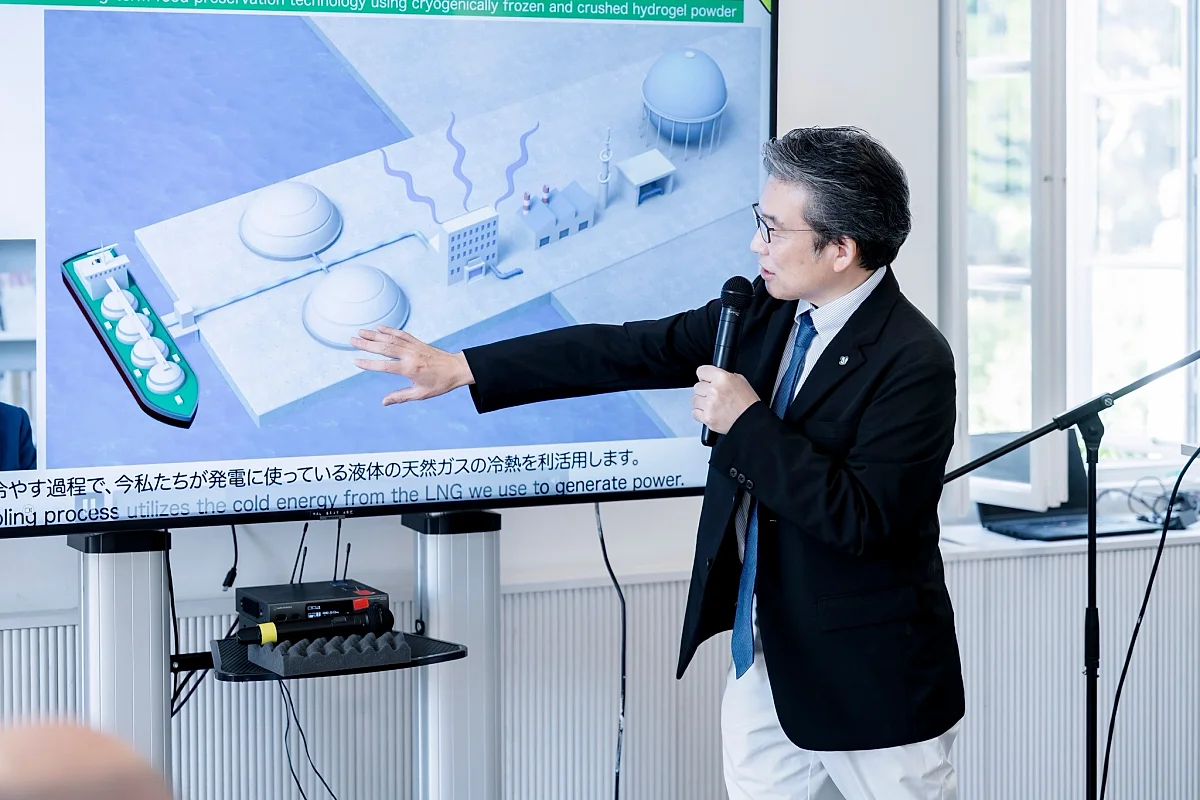
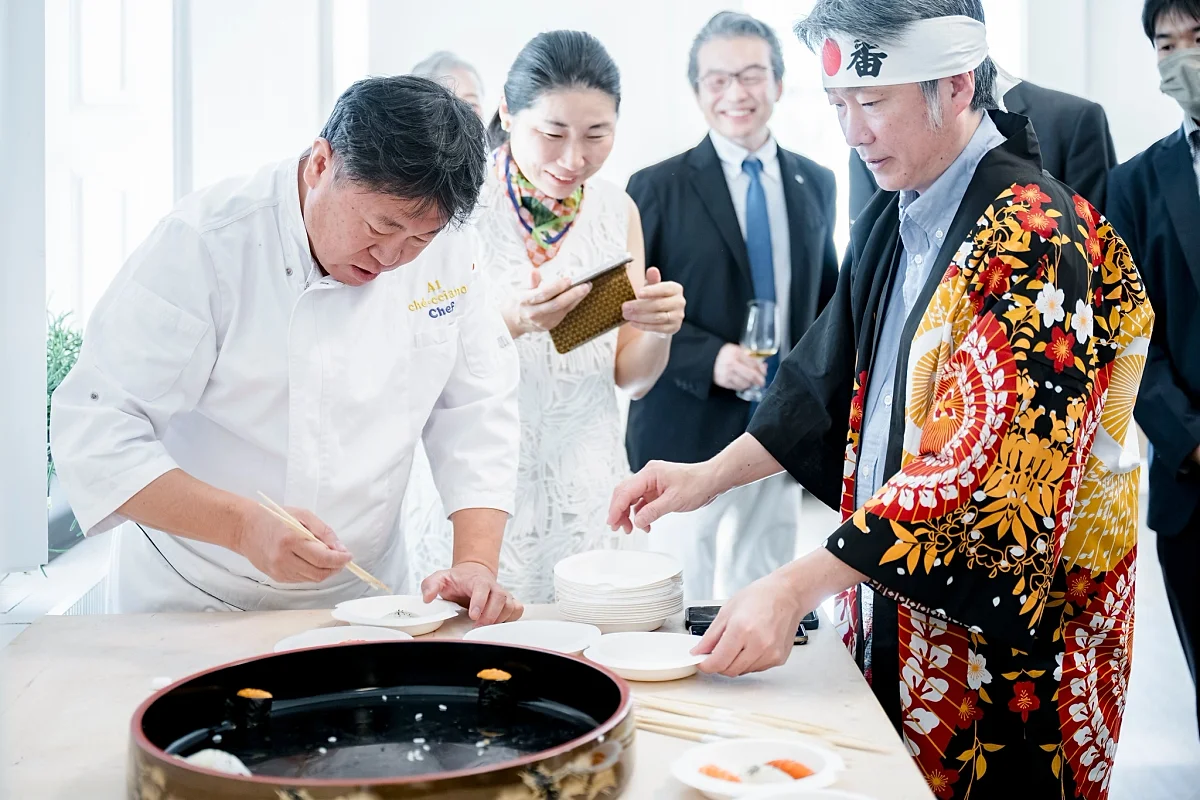
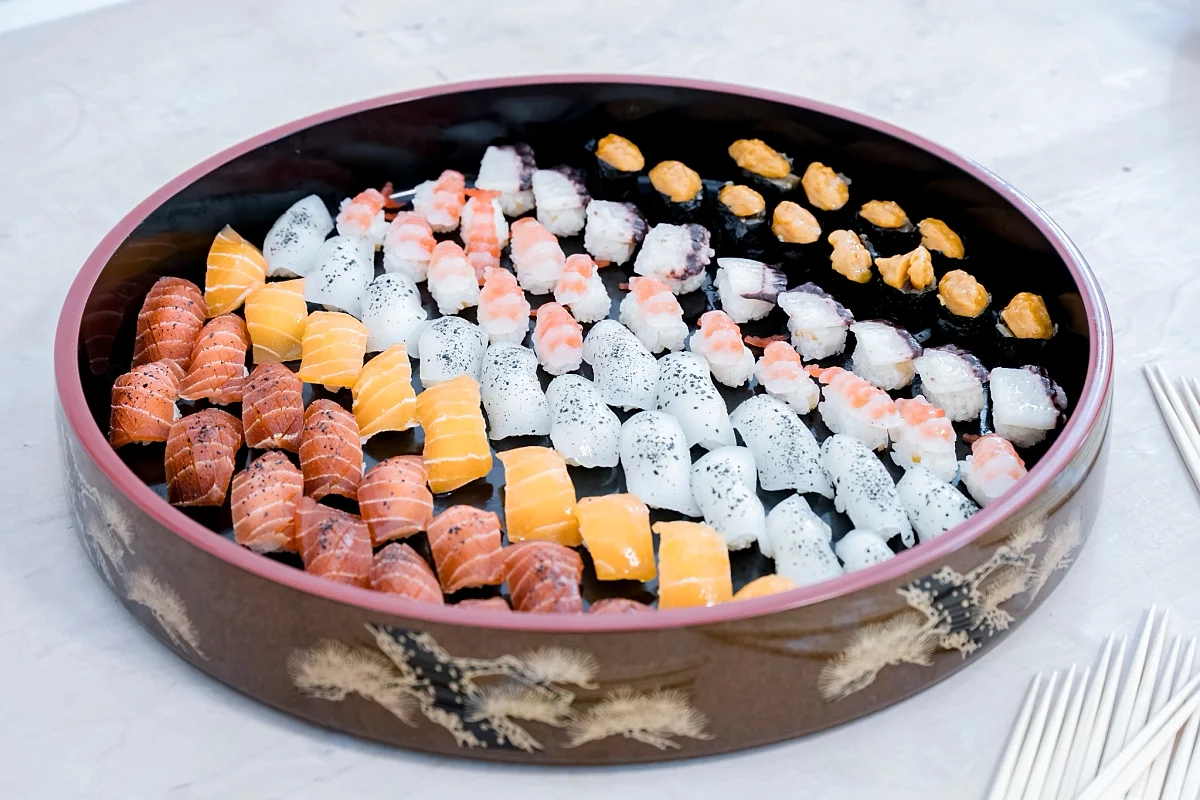
The collaboration is led on the Japanese side by Head of the Soft and Wet Matter Engineering Laboratory at Yamagata University Hidemitsu Furukawa. His work on soft structures and 3D food printing is geared towards their use in future food systems, with experiments ranging from foods printed using alternative ingredients to dishes designed to be both nutritious and visually appealing. These include sushi made with alternative seafood, combining fish surimi and powdered food ingredients. Beyond the technology itself, this also brings the social and ethical dimensions of materials science into view.
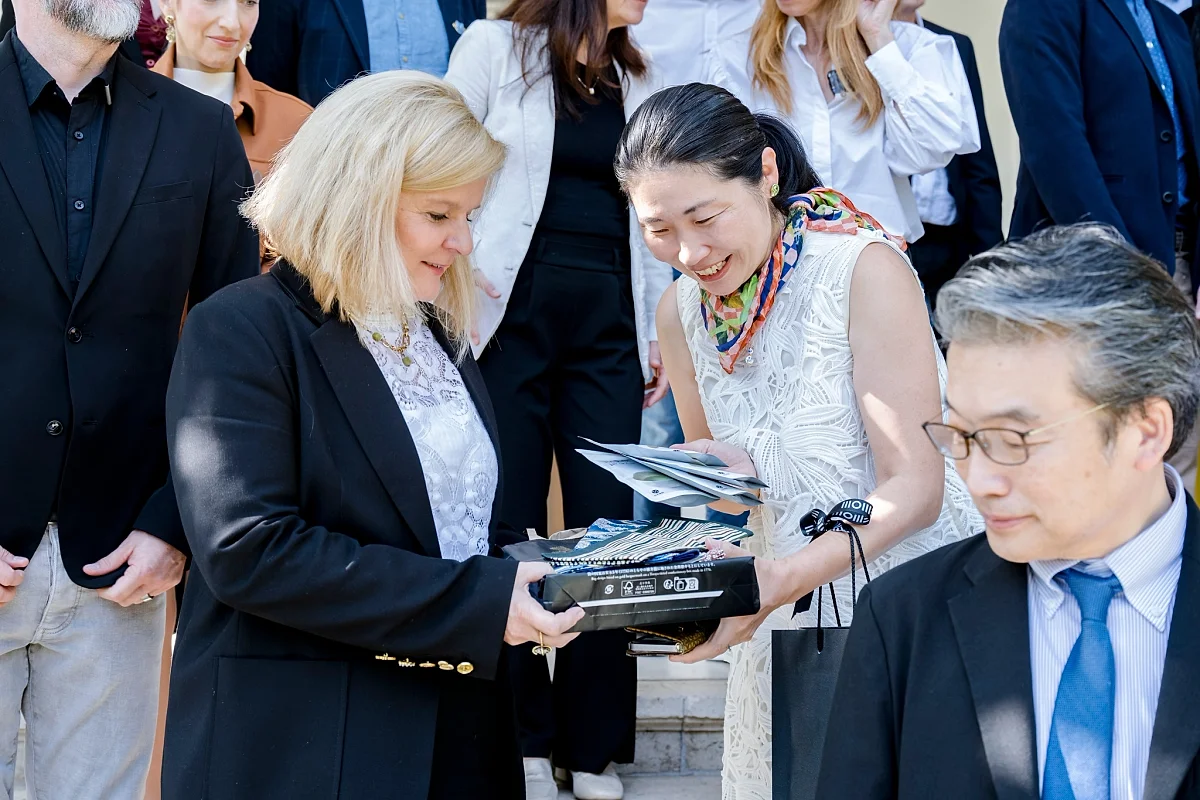
The partnership has developed through several joint initiatives over the past year. Professors from the Yamagata University visited MOME last October as guests of the Future Materials conference and worked with students from the Designer-Maker programme during last year’s Course Week, followed in February by the launch of a semester-long course.
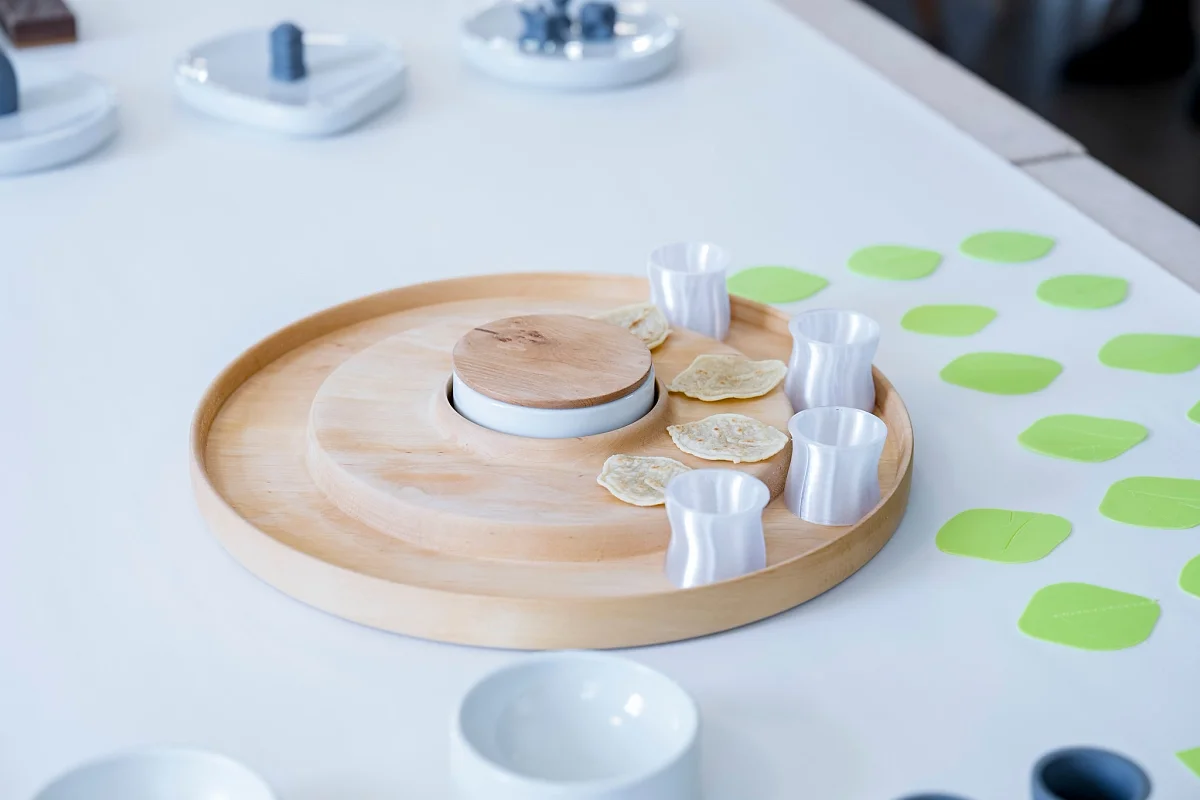
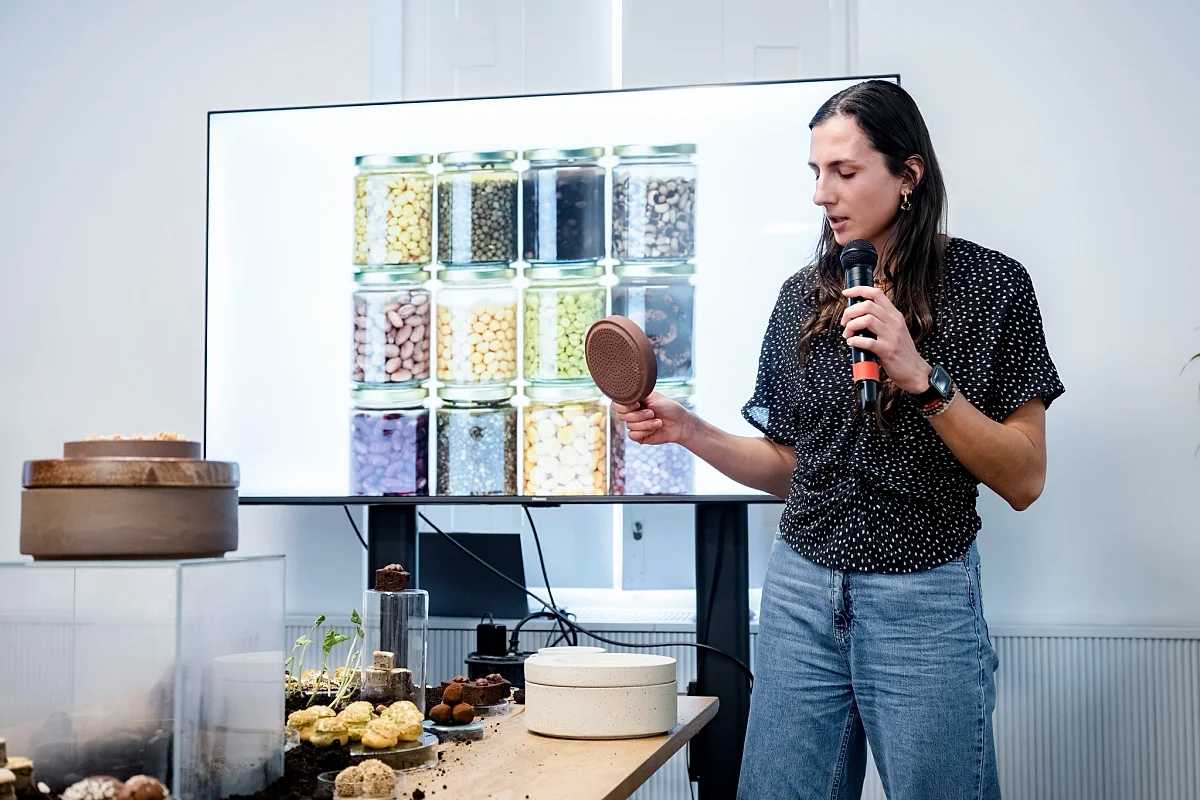
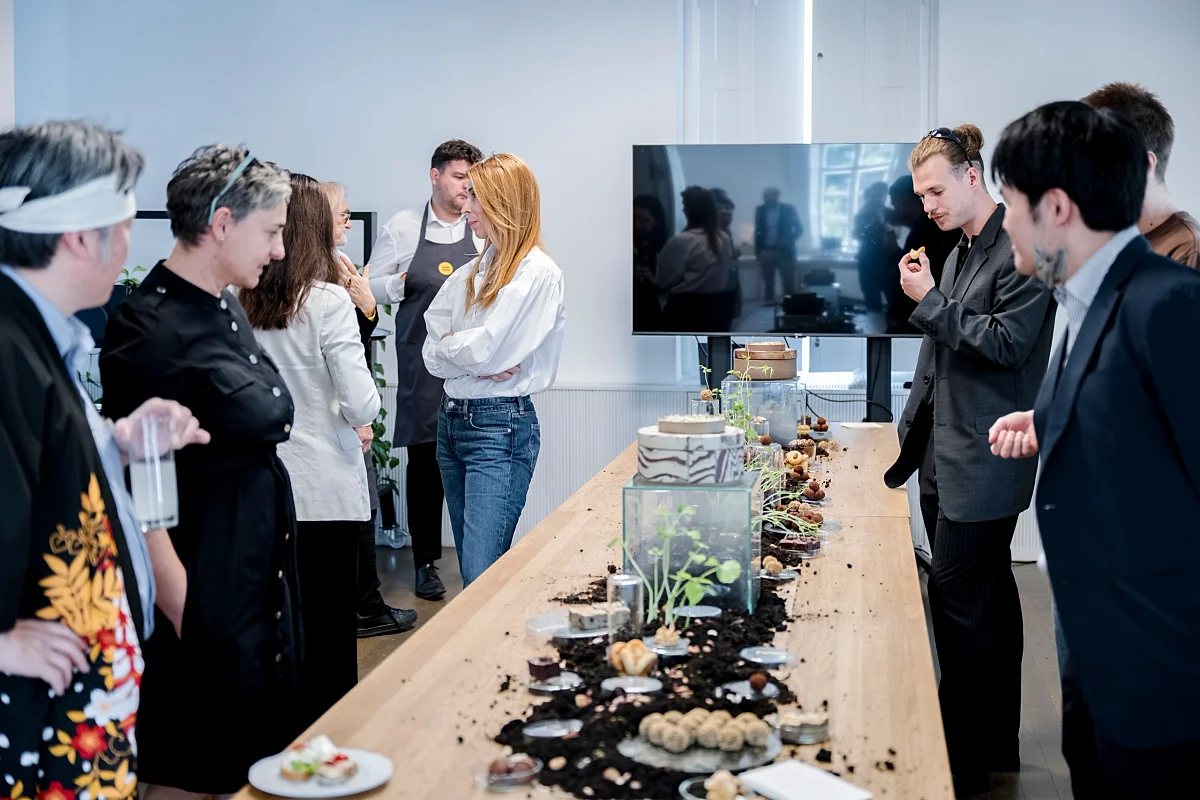
Led by MOME assistant lecturer Dóra Rea Kövér and Professor Furukawa, the experimental course introduced participants to 3D food-printing technology before inviting them to develop speculative visions of future food culture in response to real-world challenges. During the semester, students also visited Yamagata University’s SWEL laboratory, where they developed and tested their ideas alongside Japanese researchers. Using food-printing technology, Péter Rozán experimented with new ways of eating with your hands, while Emese Keceli reimagined traditions around dining and entertaining guests for the present day.
The collaboration has also opened up new avenues for developing MOME’s technical infrastructure: Benjámin Balla and József Kovács from TechPark converted equipment previously used for ceramic printing to work with food and other soft materials, giving students the opportunity to create their first prototypes on campus.
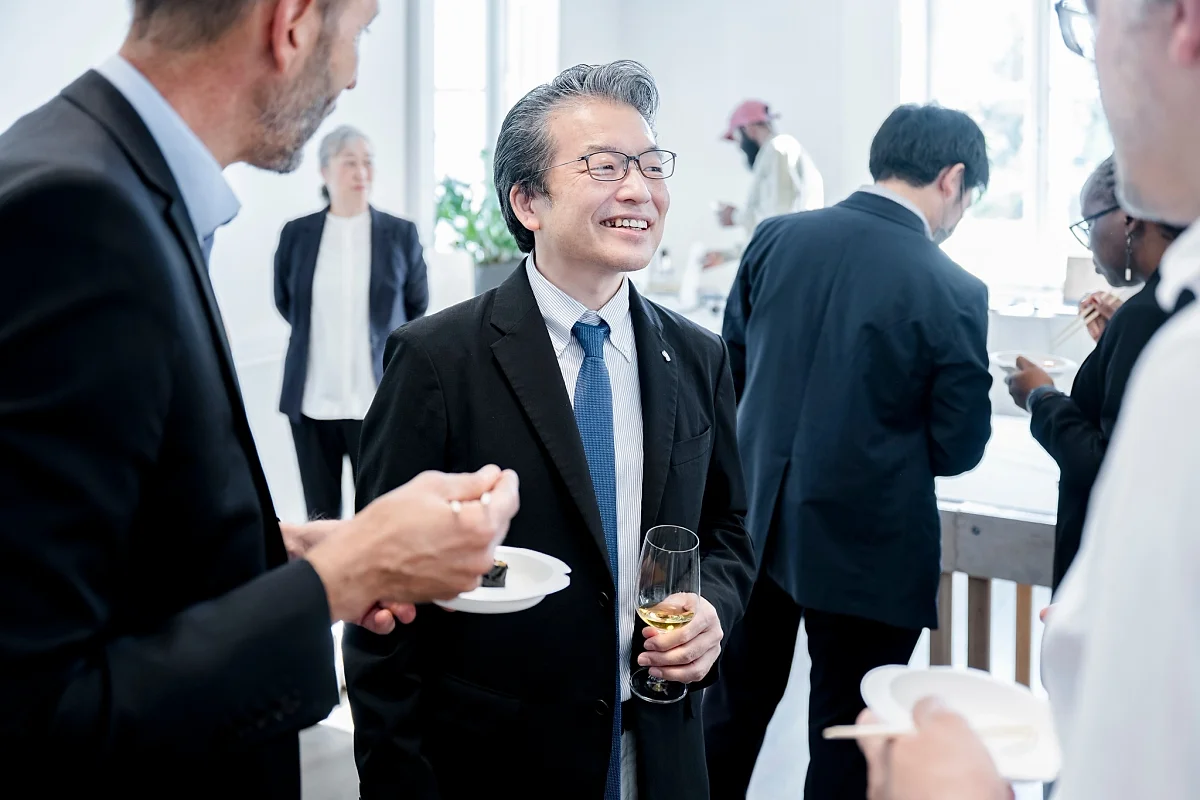
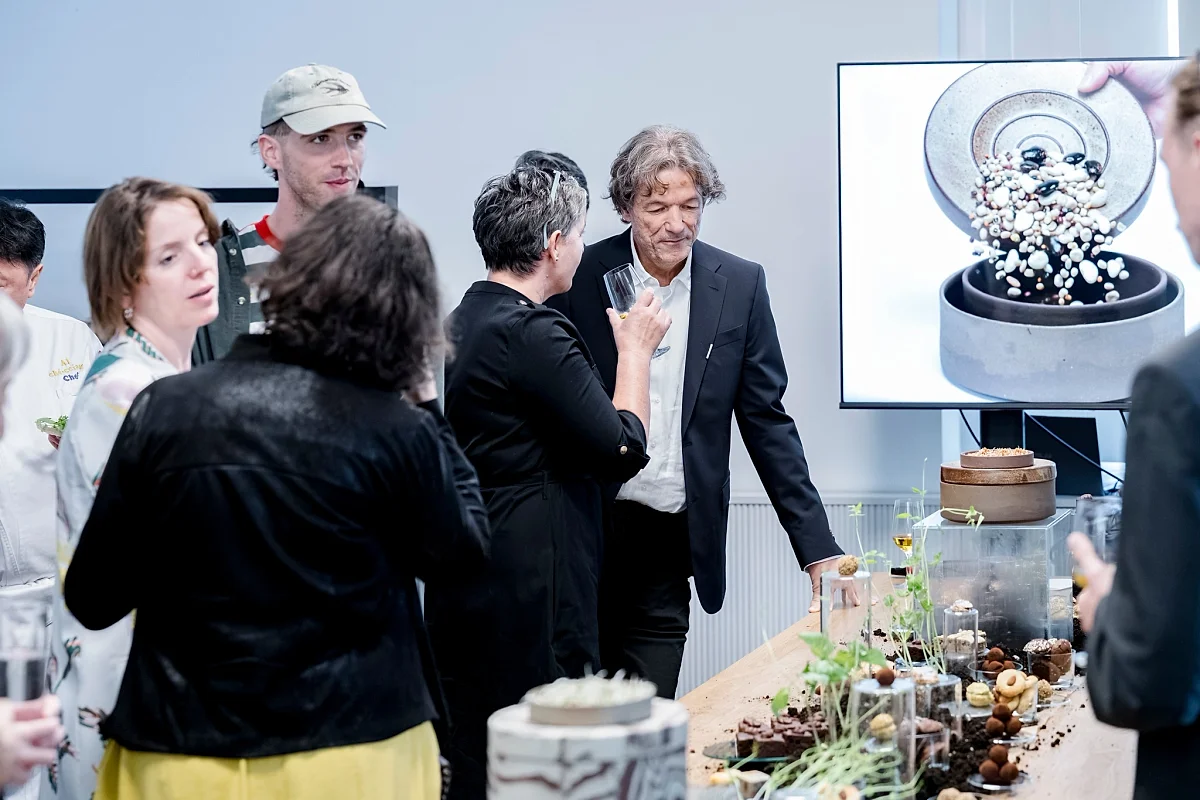
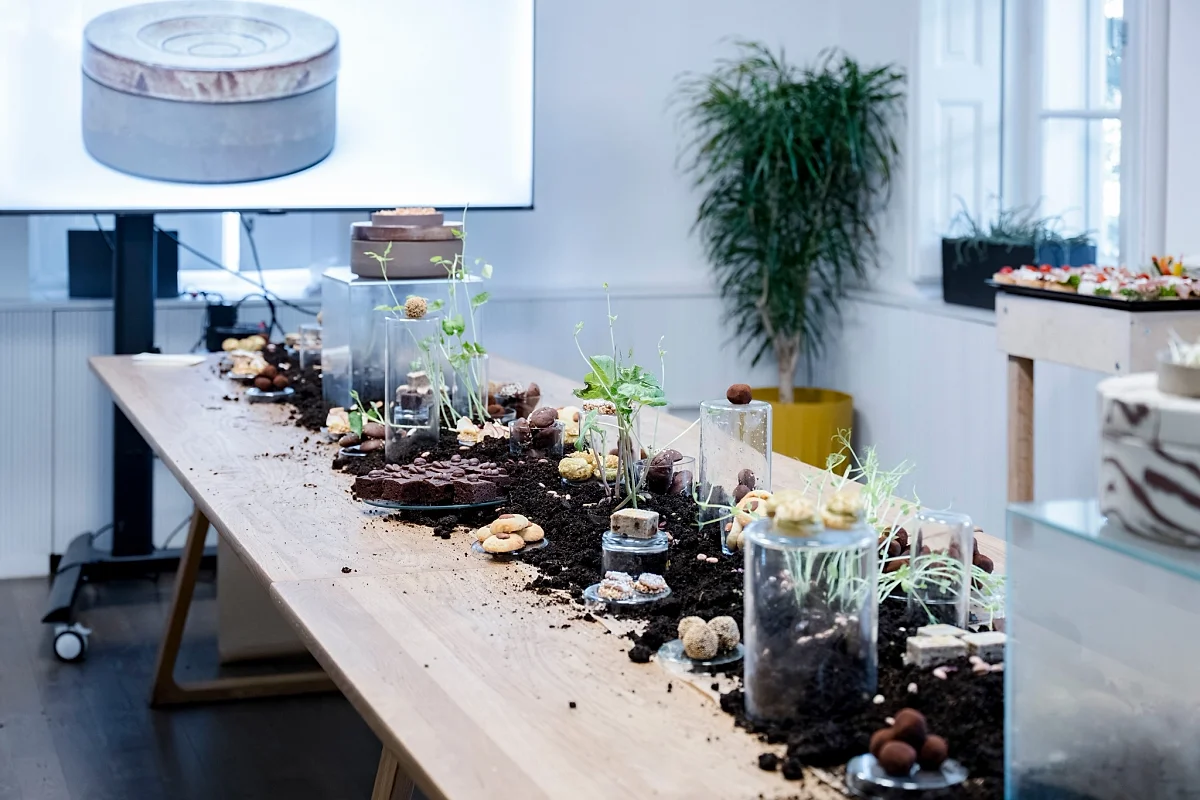
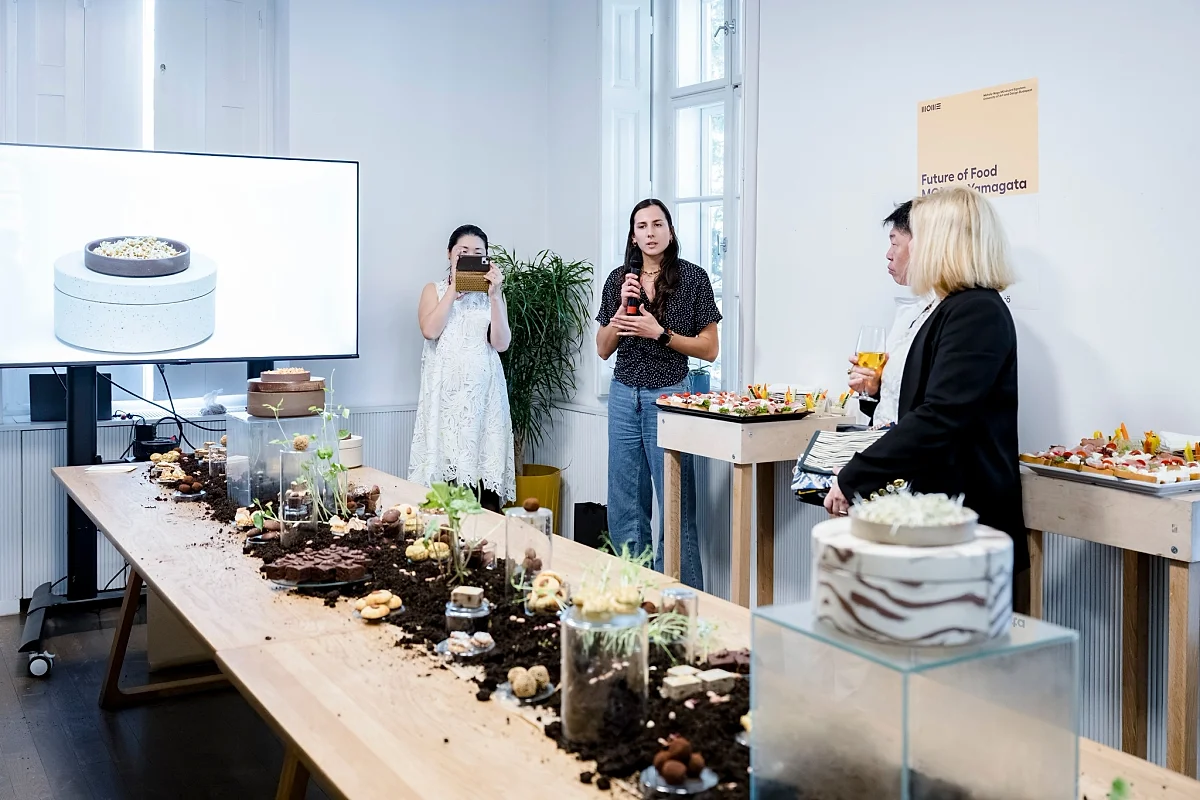
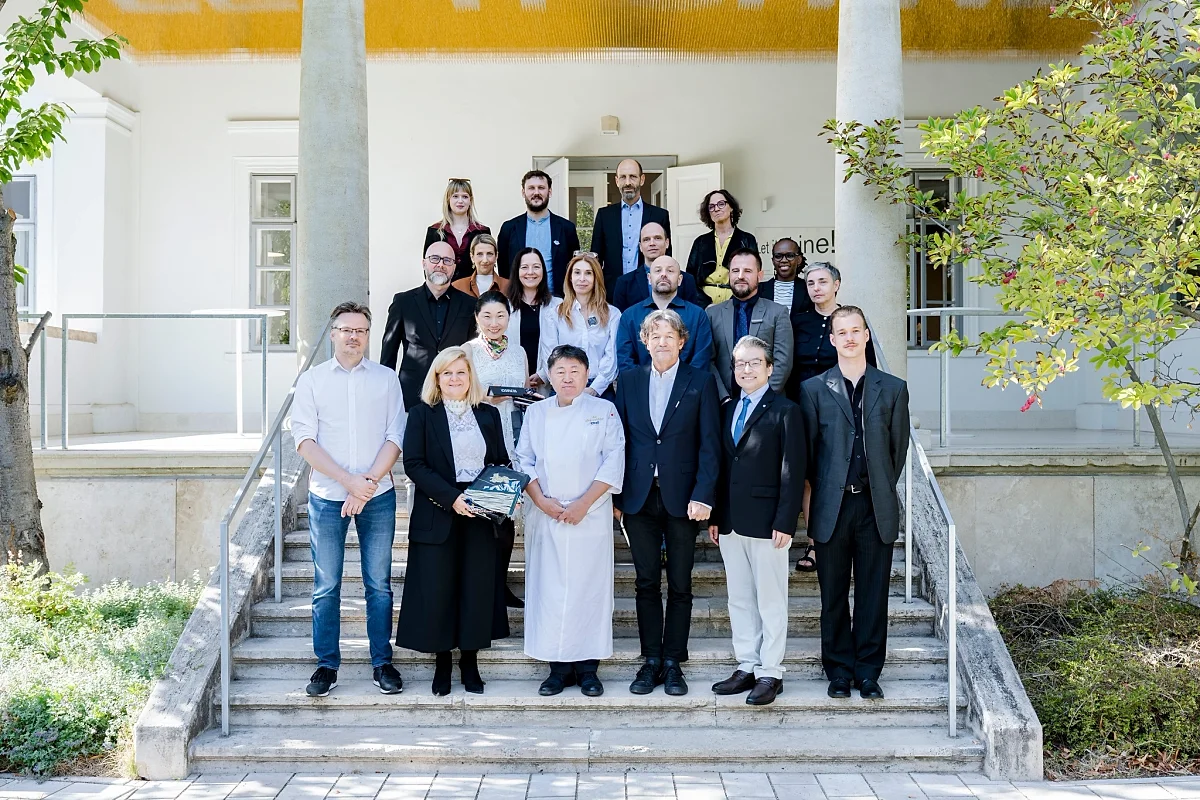
Following a series of short presentations and informal discussions, a public exhibition will showcase the results of the collaboration to date. The Digital Object-Making specialisation will present the modified machines, experiments with 3D printing in soft materials, and speculative food concepts developed by students, with exhibits ranging from lamps to food. The programme is led by Dóra Rea Kövér and Ákos Lipóczki. After the invitation-only event, the exhibition will be open to the MOME community from 3:30 p.m. to 6:30 p.m.
Several of the concepts developed during the course also have potential for further industrial and product development. Asahi Group Foods, for example, has already expressed interest in one of Péter Rozán’s student projects. The meeting could therefore mark the next stage in the dialogue between academia and industry, potentially leading to new research programmes, products, or services in the longer term.
More news