News
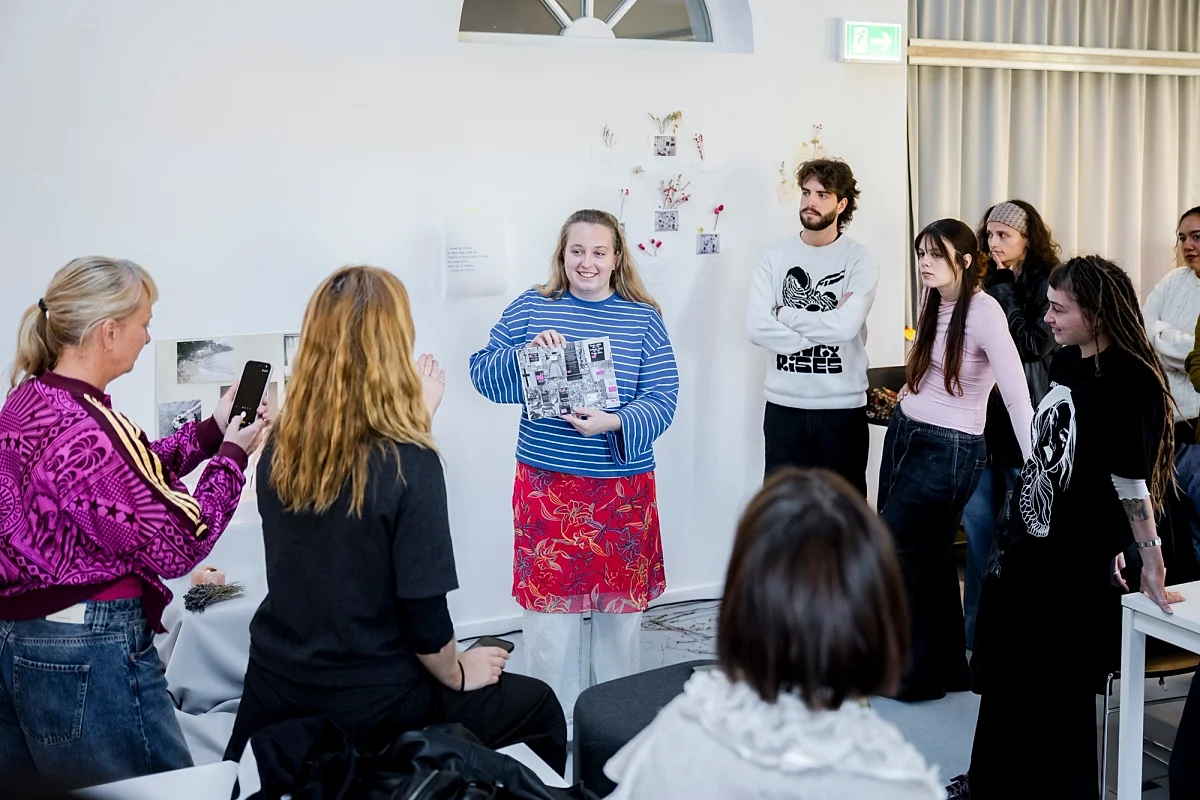
How can a personal idea be turned into a fashion product, a casting flaw give rise to a new form, or observations of the city inspire a design intervention? At MOME’s 2026 Autumn Course Week, students worked alongside guest practitioners from Hungary and abroad. In a series of intensive workshops, they experimented with a variety of approaches, from traditional craft techniques to digital prototyping, while exploring themes such as memory, care, and ecological responsibility.
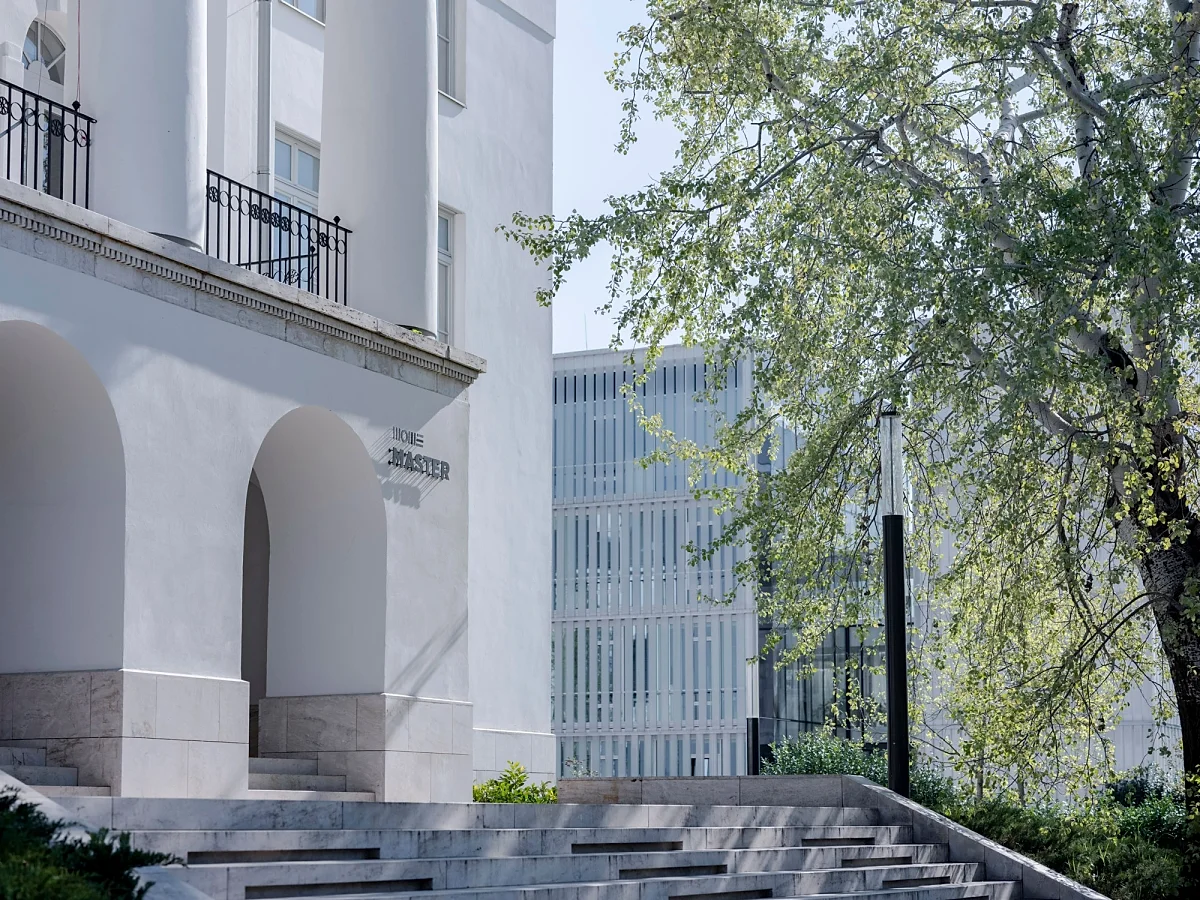
Following the organisational changes introduced in the spring, MOME has adjusted the composition of its Senate once again to bring it into line with the amended regulatory framework. Elected through a democratic and lawful process, the new Senate held its inaugural meeting on 29 October 2026. Its membership substantially overlaps with that of the previous Senate, with more than 90 per cent of the members having also served on the previous body.
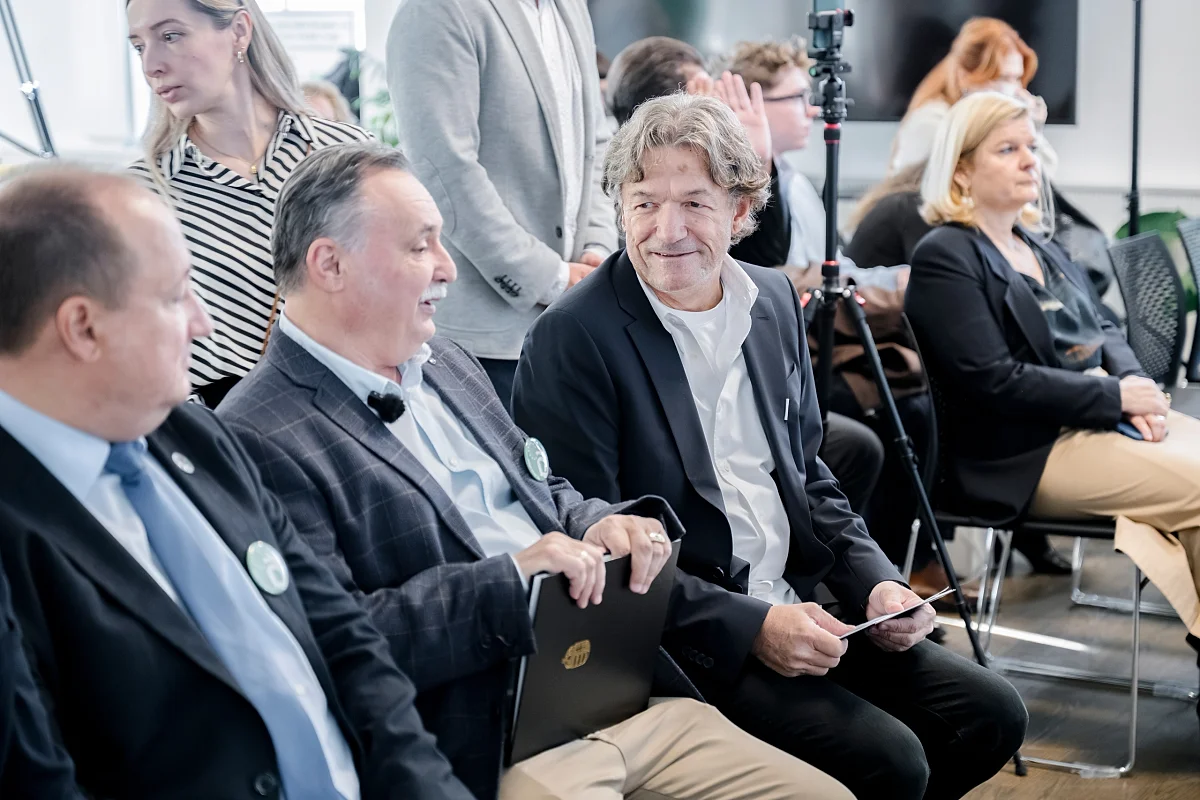
A press conference announcing the Hungarian launch of the 2026 European Week for Waste Reduction was held at MOME on 29 September. The event was attended by Minister for the Living Environment László Gajdos. This year’s campaign highlights the importance of using materials efficiently under the slogan “Every decision counts. Every resource matters.”
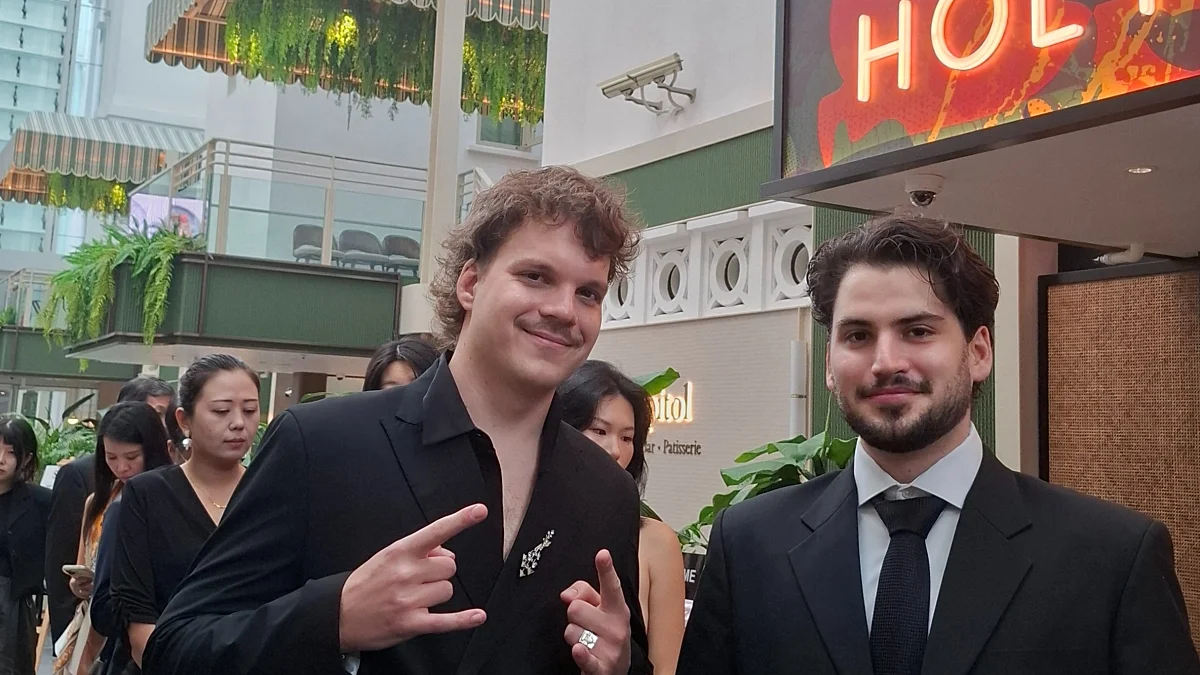
Five MOME students took home awards at the Red Dot Award: Design Concept 2026 presented in Singapore on 15 October. Visitors to the MOME MA Open Day × Alumni Career Day on 30 October will also have the chance to meet Zsombor Égerházi, Kristóf Kovács, and Gergely Sárady, all Red Dot Award recipients. They will take part in a panel discussion entitled FormaNorma Alumni Special – The Red Dot Award in Focus, sharing their experiences of international competition, the application process, and the professional significance of the award.
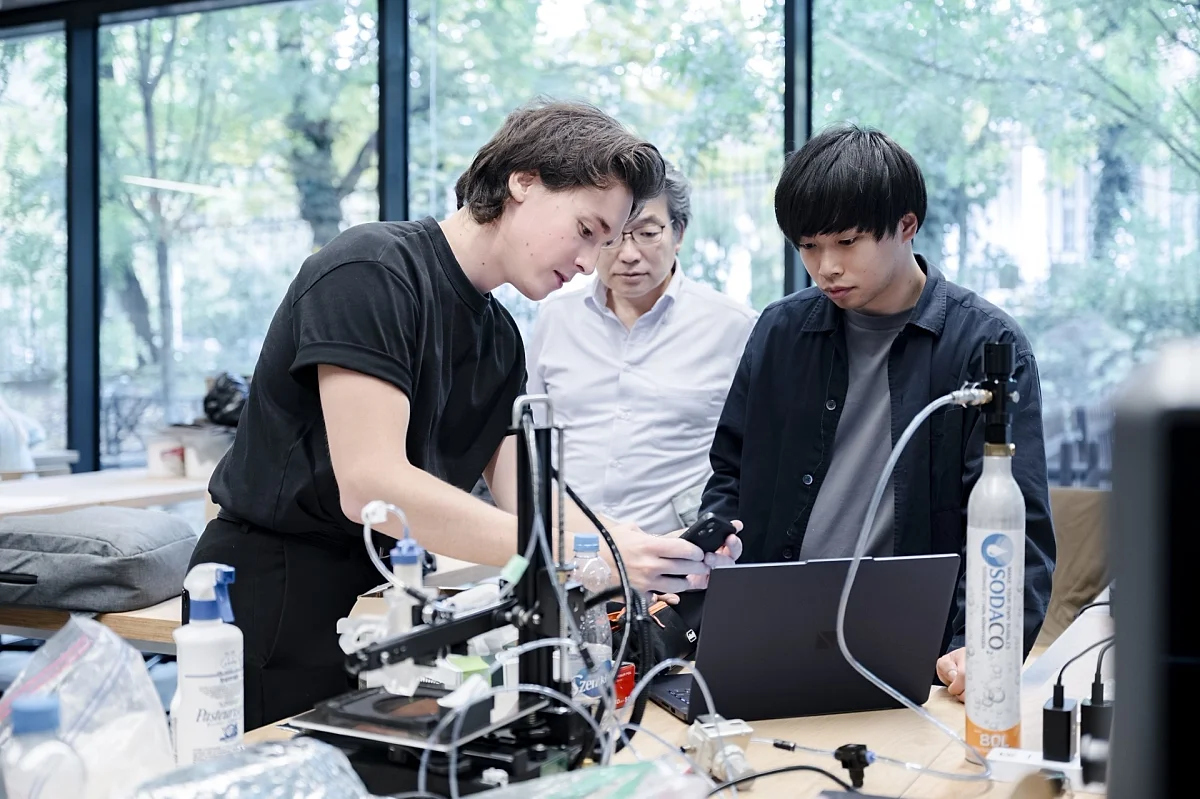
The pioneering Social Design Network (SDN), which now connects researchers from nine countries, also began with a visit to Israel. Since its inception with MOME as a founding member, the SDN has grown into an international umbrella organisation and built a unique body of knowledge in social design. The SDN is just one example of the many ways experience gained abroad, whether an exhibition, a conference, or a university partnership, can feed into academic work at MOME. New professional connections can lay the foundation for new educational methods and joint research projects.
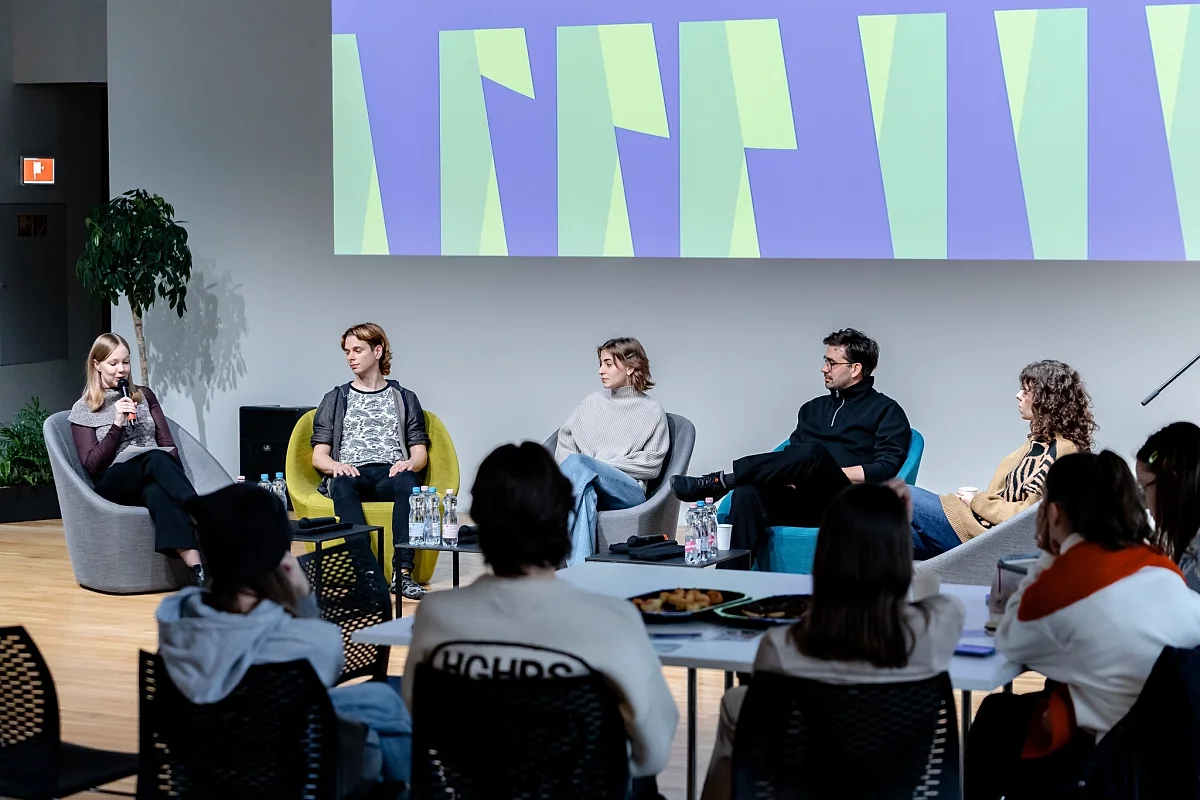
Egy diploma megszerzése nem feltétlenül jelenti a szakmai út lezárását, ahogy a mesterszak kiválasztása sem csupán a következő lépcsőfok megtalálásáról szól. A folyamatosan változó világban egyre fontosabb, hogy az elképzeléseink kipróbálására és alakítására is nyitottak legyünk. A közelgő MOME MA Nyílt nap apropóján a szakmai önismeretről, a kísérletezésről és a továbbtanulásról beszélgettünk a MOME oktatóival, hallgatóival és a Konnekt Egyesület szakemberével.
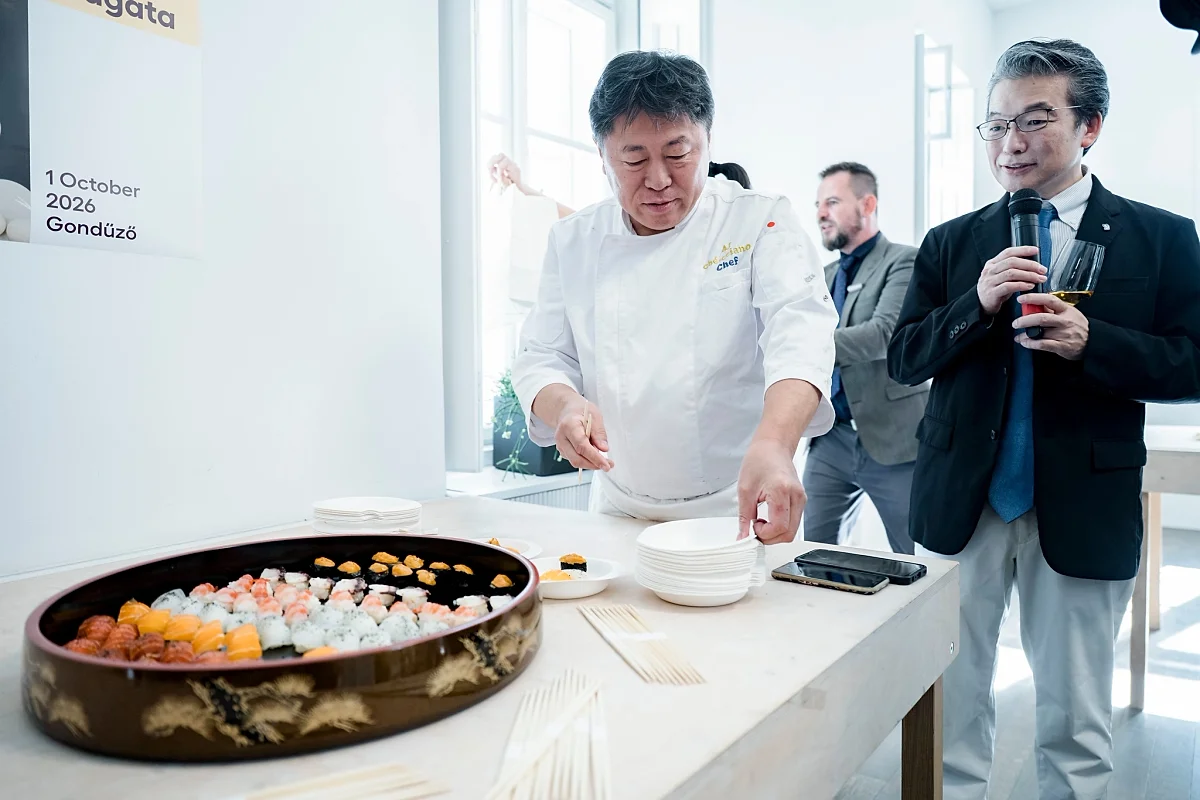
On 1 October, MOME’s Digital Object Making specialisation welcomed a delegation from Japan’s Yamagata University. The future of food, food printing, and soft-material printing took centre stage during the visit by the SWEL Lab (Soft & Wet Matter Engineering Lab), led by Professor Hidemitsu Furukawa. A researcher from Japanese food company Fuji Oil also joined the visit, alongside chef Masayuki Okuda, who brings his culinary expertise to Yamagata University’s research. The programme concluded with a tasting of 3D-printed sushi made from plant-based ingredients, prepared by Okuda himself.
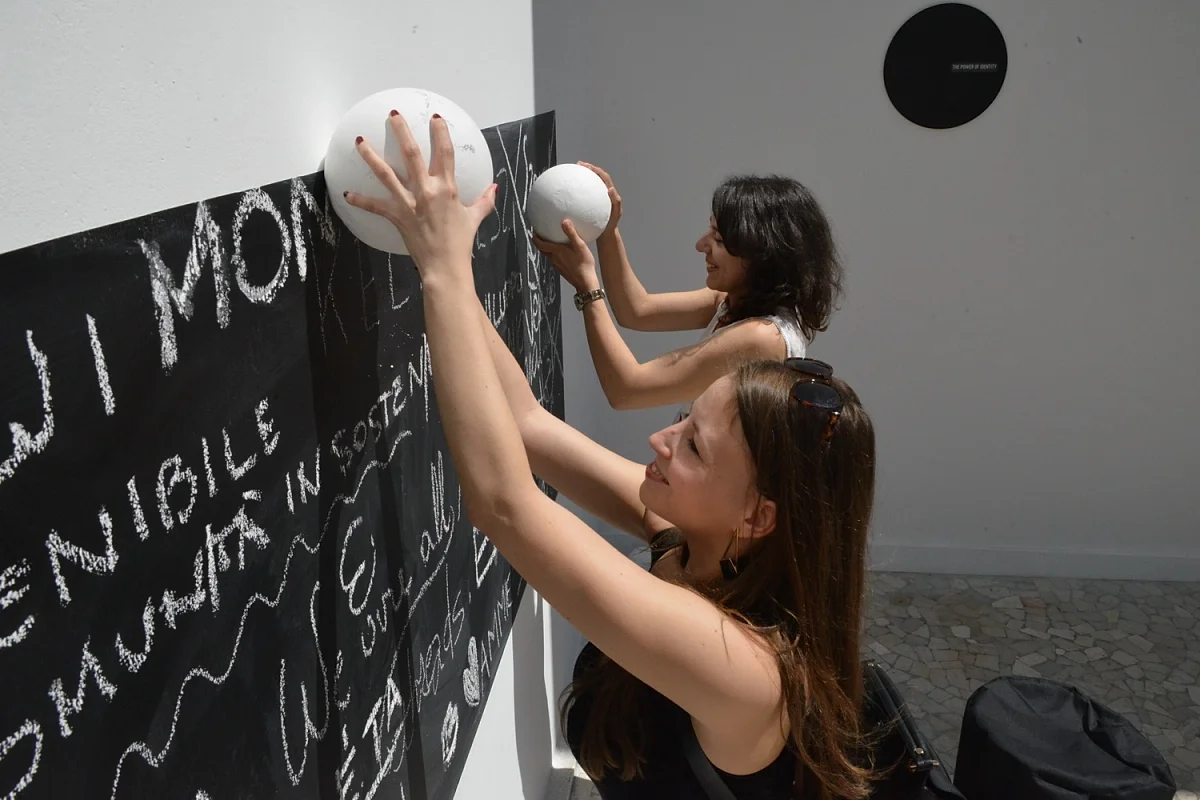
A MOME a bolognai képzés indulása óta szervez velencei tanulmányutakat a tervezőhallgatók, valamint az elméleti és a menedzserképzés számára. A részvétel a képzőművészeti és az építészeti biennálén az egyetemi oktatás meghatározó eleme: a közös kiállításlátogatások, szakmai beszélgetések segítik az eligazodást a kortárs művészet nemzetközi intézményrendszerében, formálják a hallgatók világképét, az inspiráció pedig jóval túlmutat a közvetlen élményen.
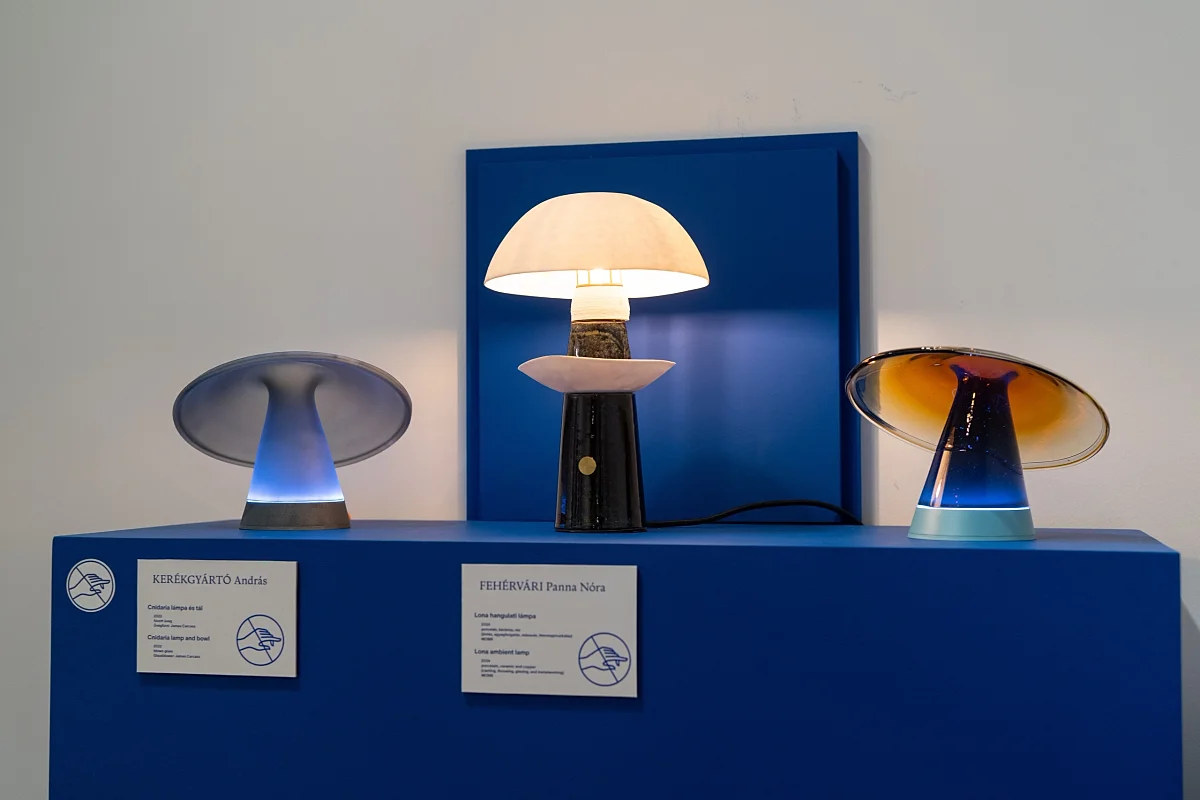
How can ways of thinking, sensitivity, and attitudes to work be passed down from one generation to the next? What role do time spent together, working side by side, attentiveness, acceptance, and even conflict play in relationships between masters and students?
Offering a fascinating cross-section of Hungarian craft and design, Patterns That Live On, a new temporary exhibition organised in collaboration with the Moholy-Nagy University of Art and Design (MOME), explores the continuity of the institution across generations, the personal relationships between practitioners and the passing on of knowledge, perspectives, and experience. The exhibition opens on 18 October at the Ráth György Villa.
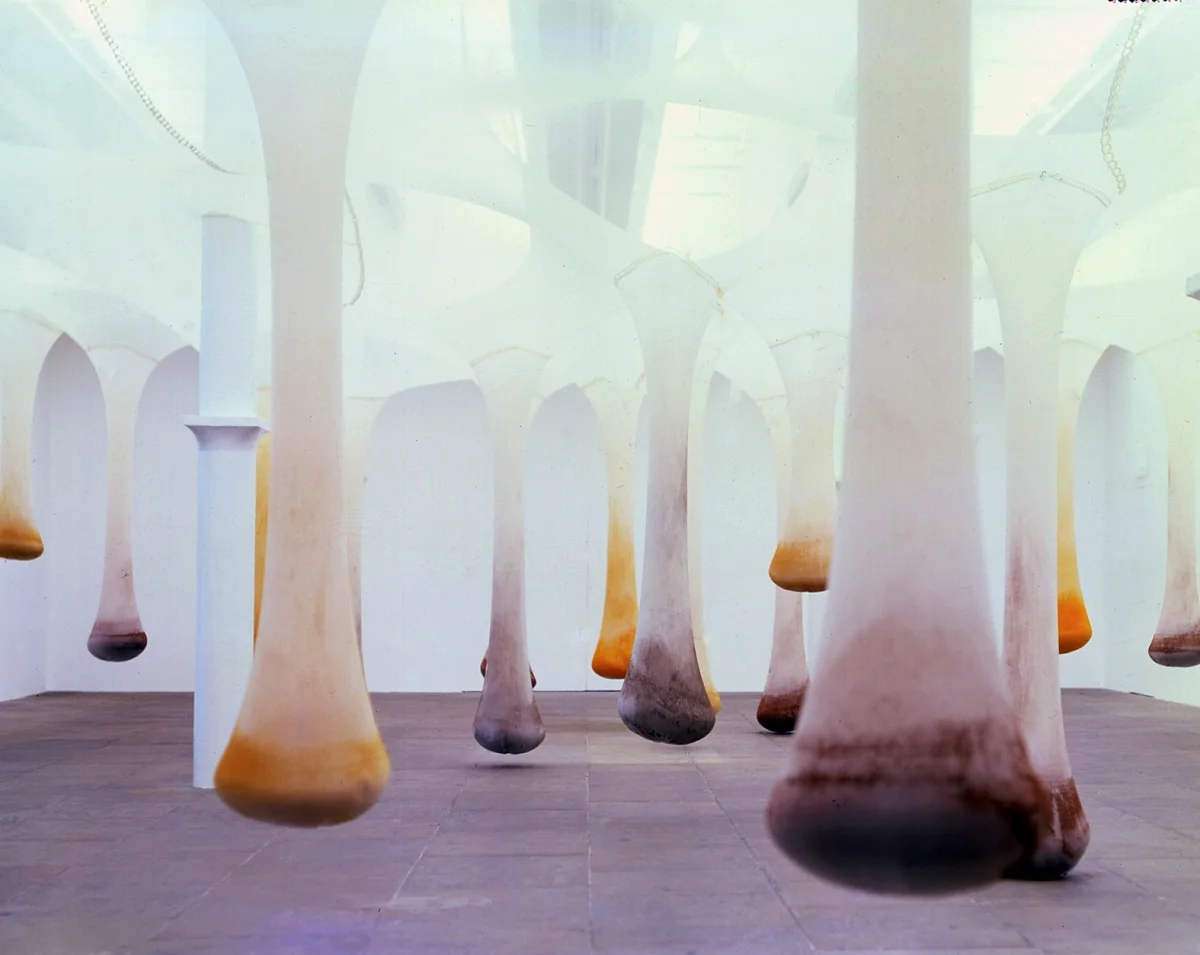
The latest special issue of the online academic journal Lebenswelt. Aesthetics and Philosophy of Experience, titled Atmospheres of Intimacy and Immensity, was published by the University of Milan in early October.
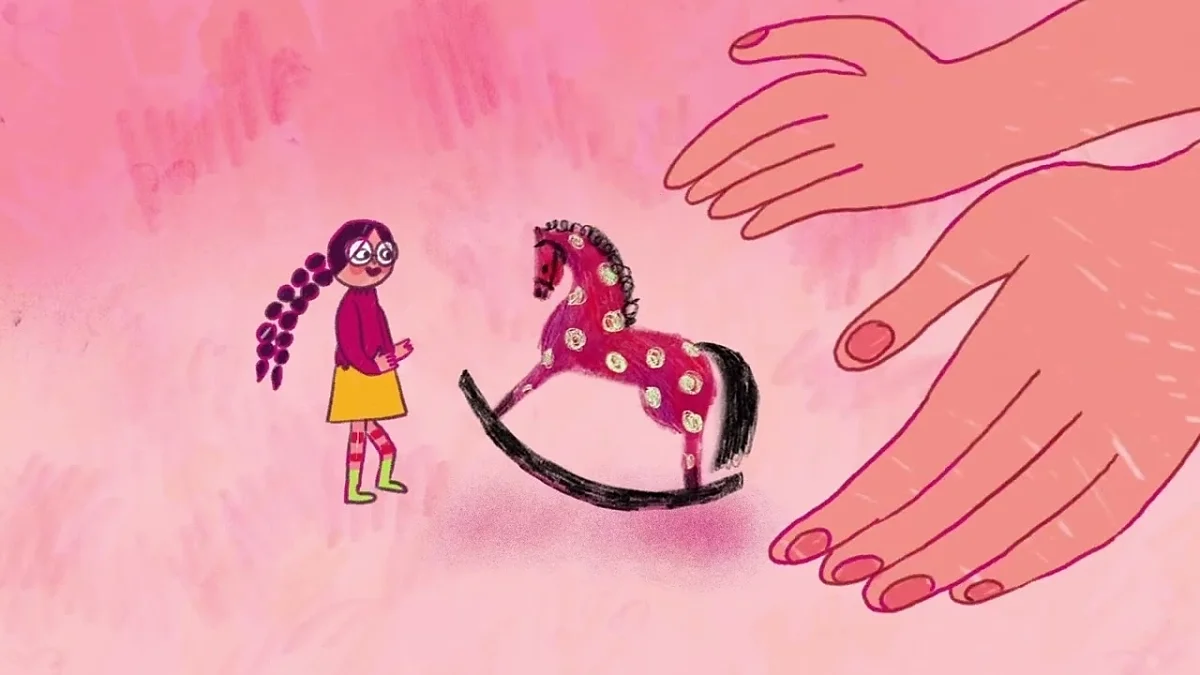
What happens when a child does not want to give someone a kiss? What is the difference between tattling and a cry for help? First-year students on MOME’s Animation BA responded to questions like these with six powerful animated shorts created in collaboration with the Hintalovon Child Rights Foundation. The films raise awareness of child abuse and children’s rights while addressing some of the everyday issues children face.
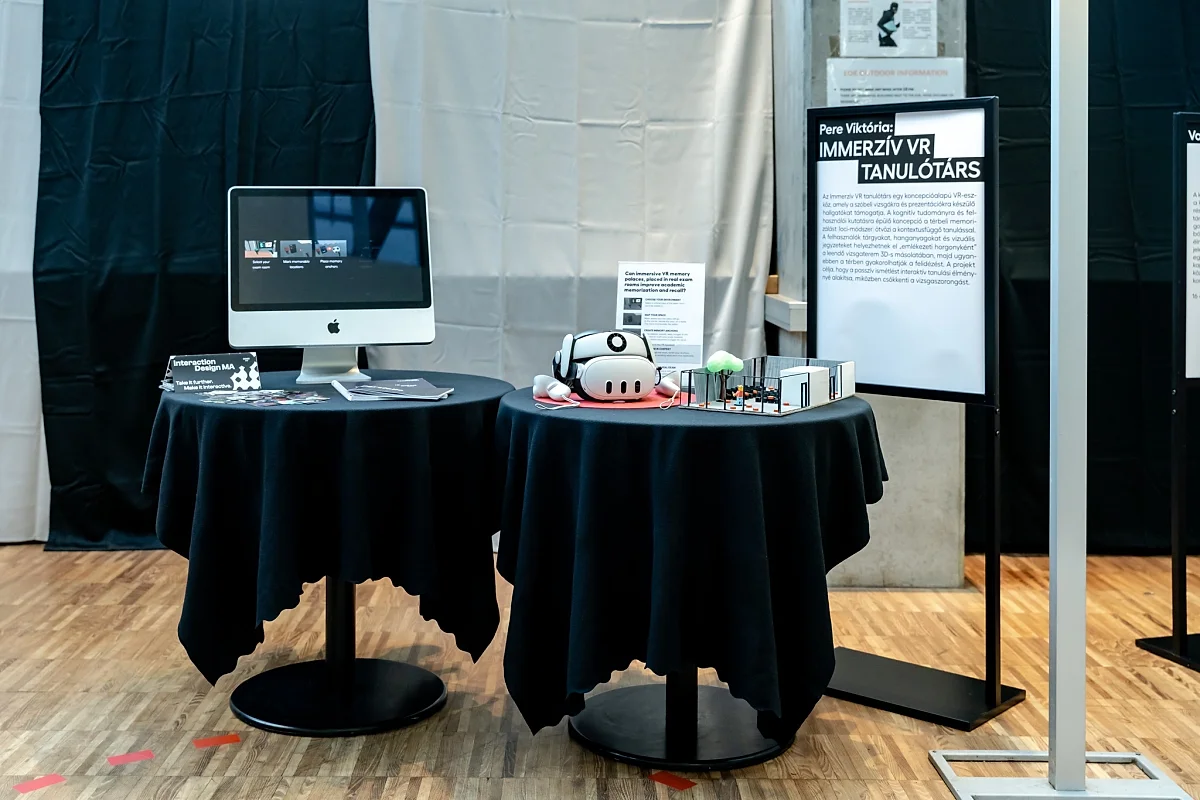
How can a virtual experience of nature help patients receiving long-term care? Can a board game bring people closer together? How can objects and creative activities help people share their experiences around panic disorder or psychiatric treatment? These were among the questions explored by researchers and designers from MOME and Semmelweis University at this year’s Researchers’ Night, which drew large crowds.
1
2
3
4
5