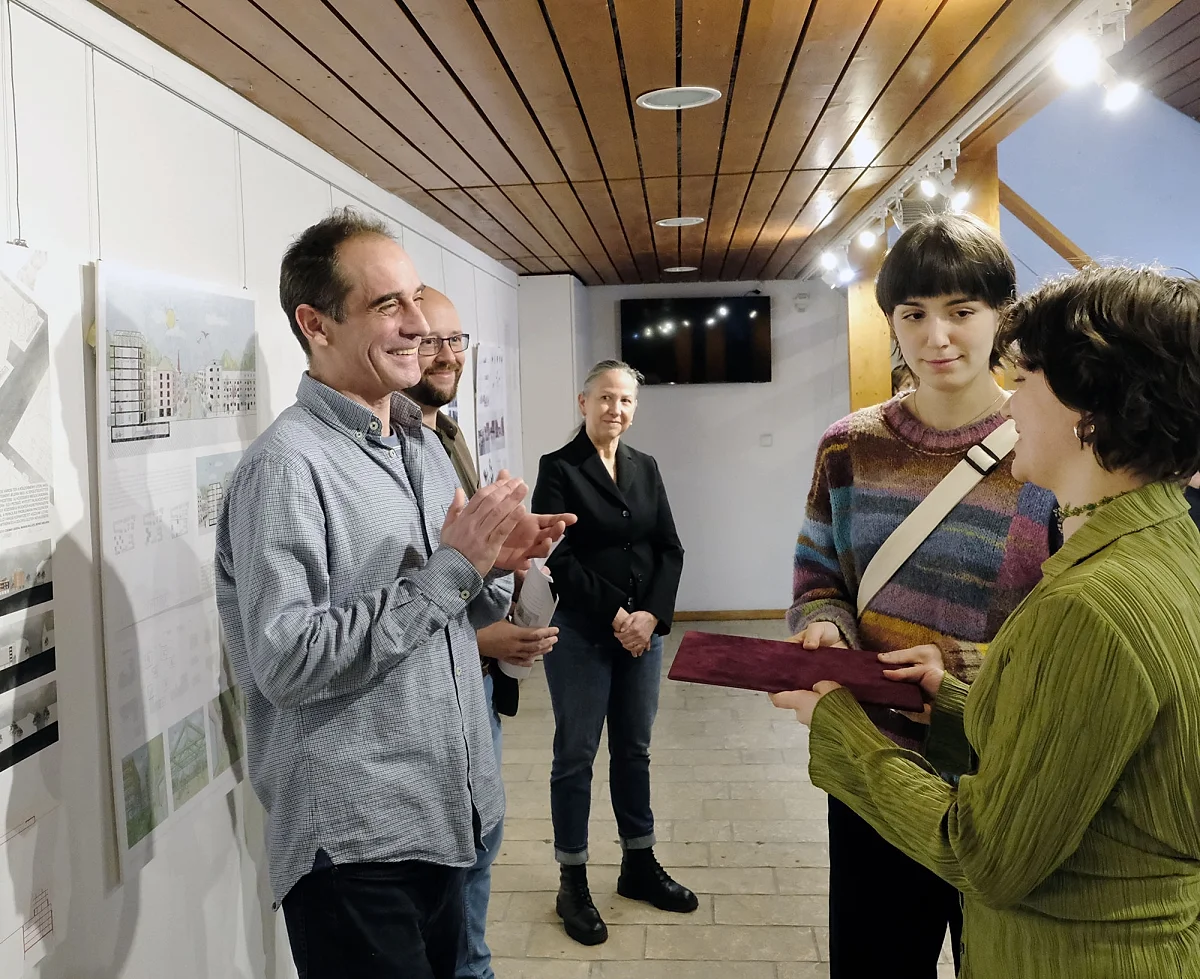
Árkay Awards presented to MOME students
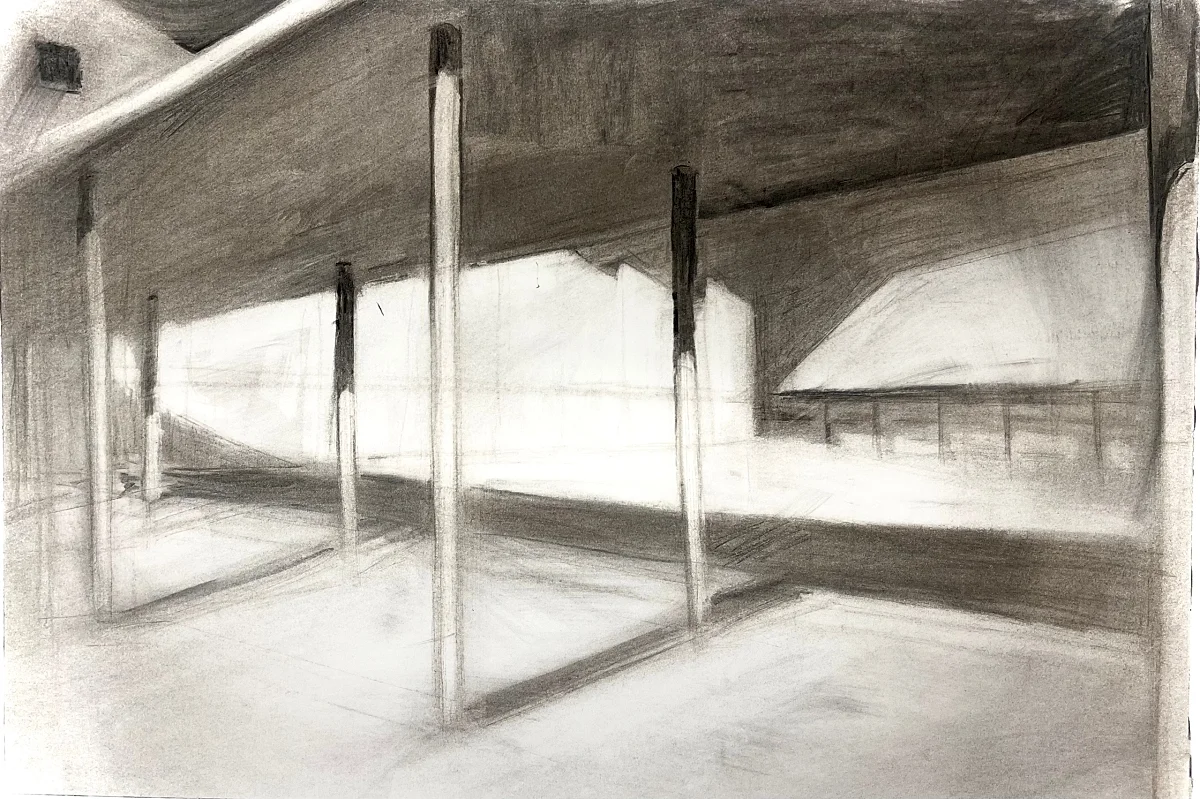
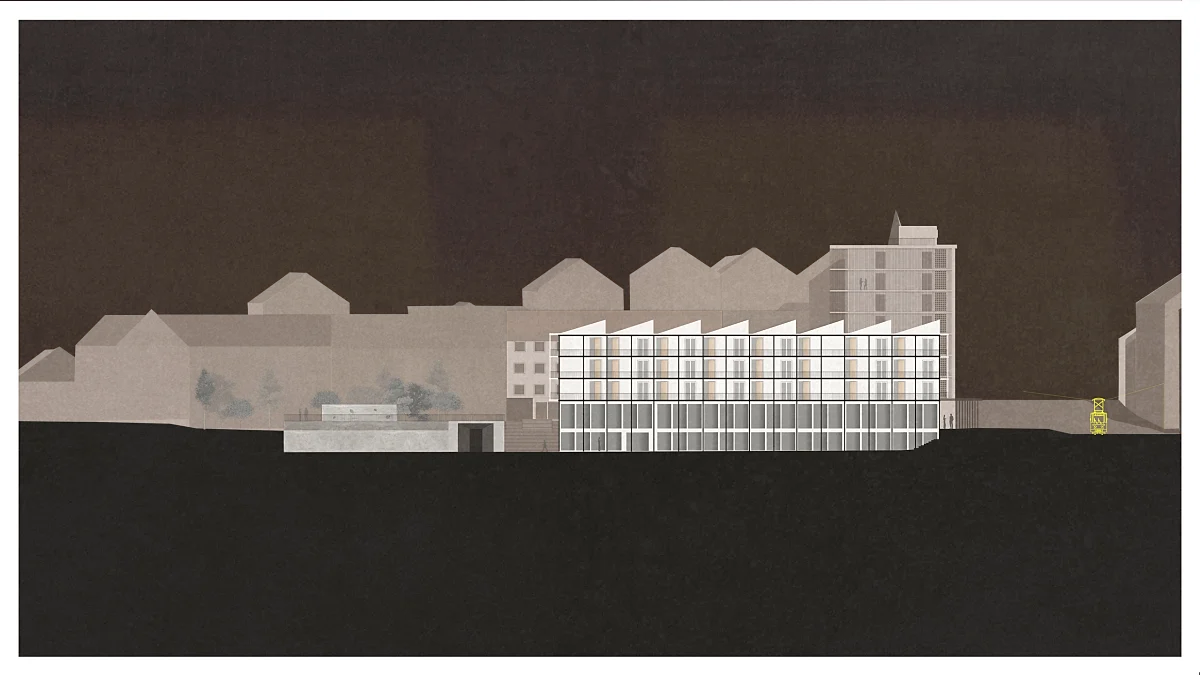
The winning design by Eszter Hegedűs and Boglárka Számuel explores what might happen if the freestanding residential buildings typical of District XII – currently tucked away behind fences and cut off from their surroundings – were reconfigured to connect more directly with the urban fabric around them. The houses are organised into shrub-like clusters that create small clearings within the Hegyvidék context, forming a sequence of intimate agoras. The ground floor is given over to communal spaces that connect directly to these clearings, playing a central role in shaping local community life, and transforming the area into a fragmented but interconnected social network. The inherited exposed fire walls and retaining wall define the character of the development, forming the structural basis for an open and adaptable communal framework.
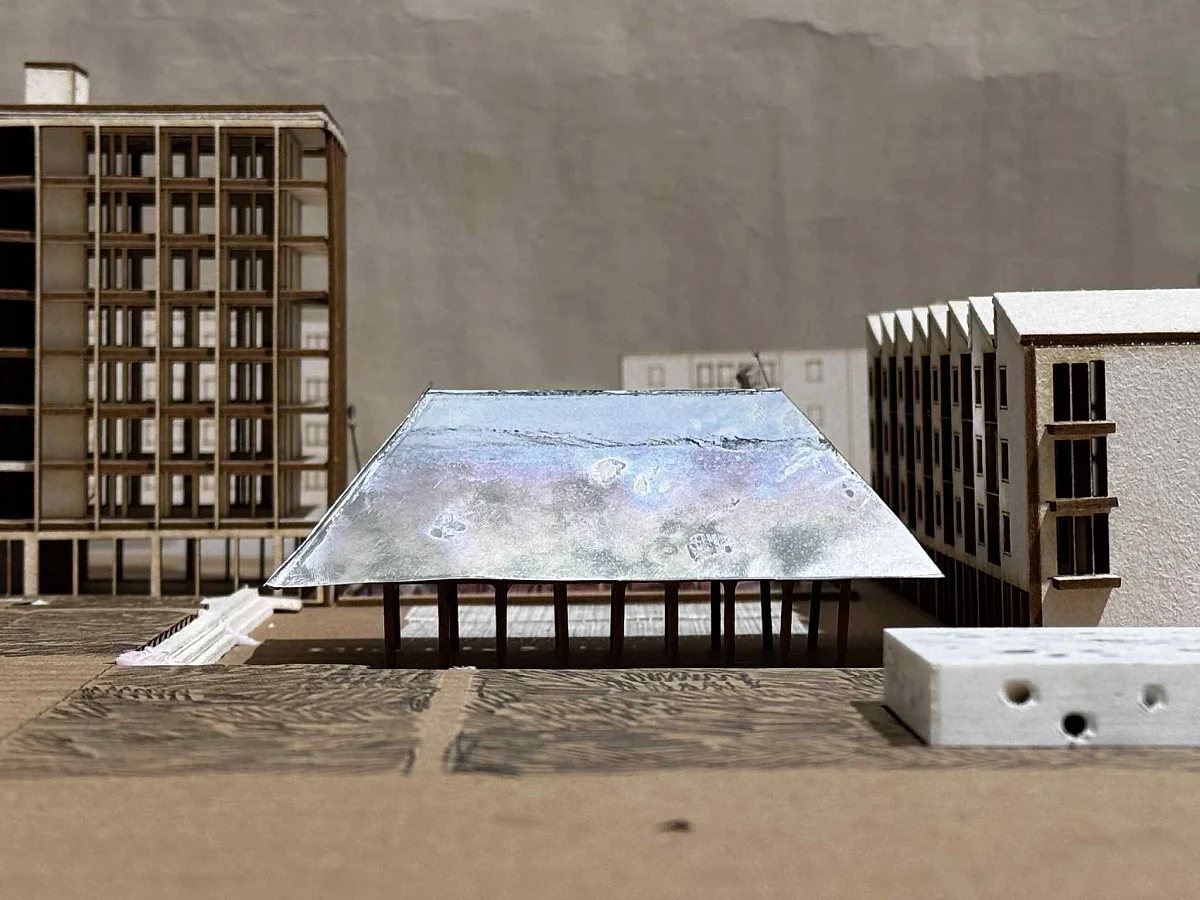
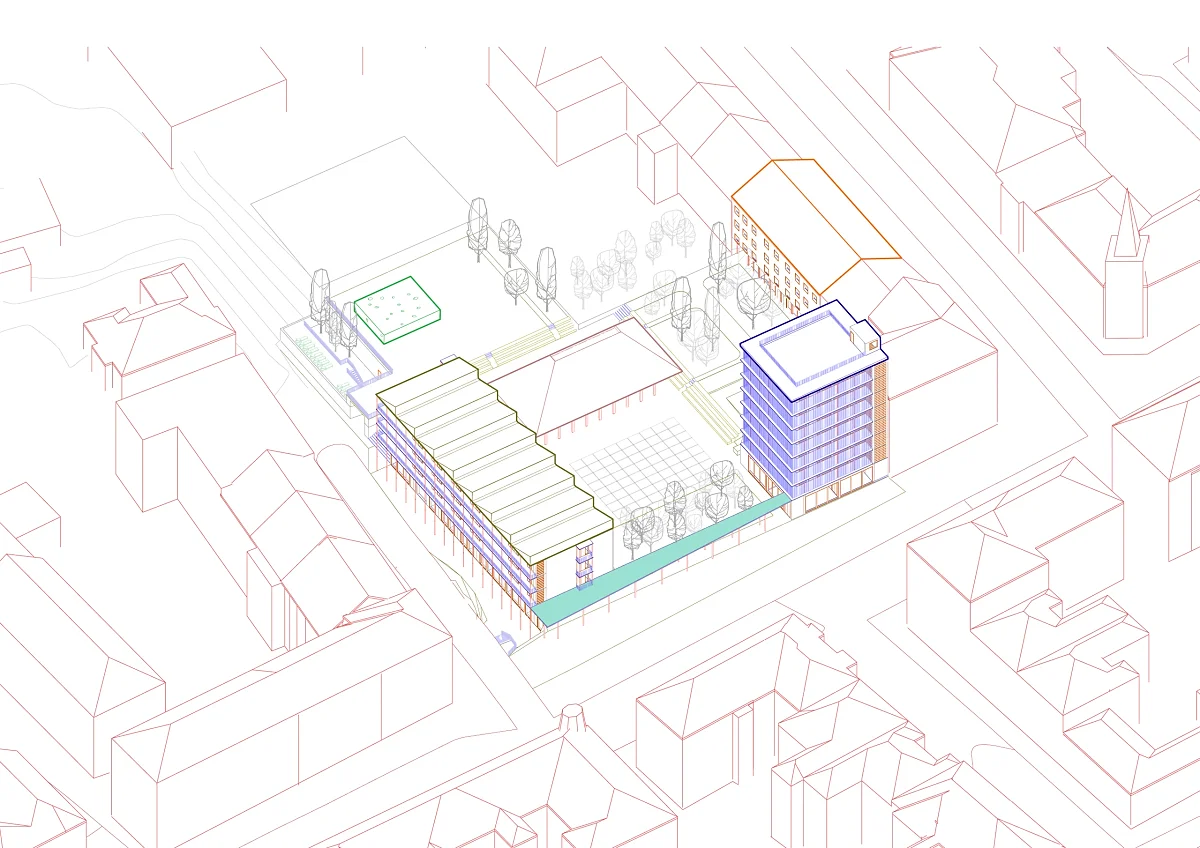
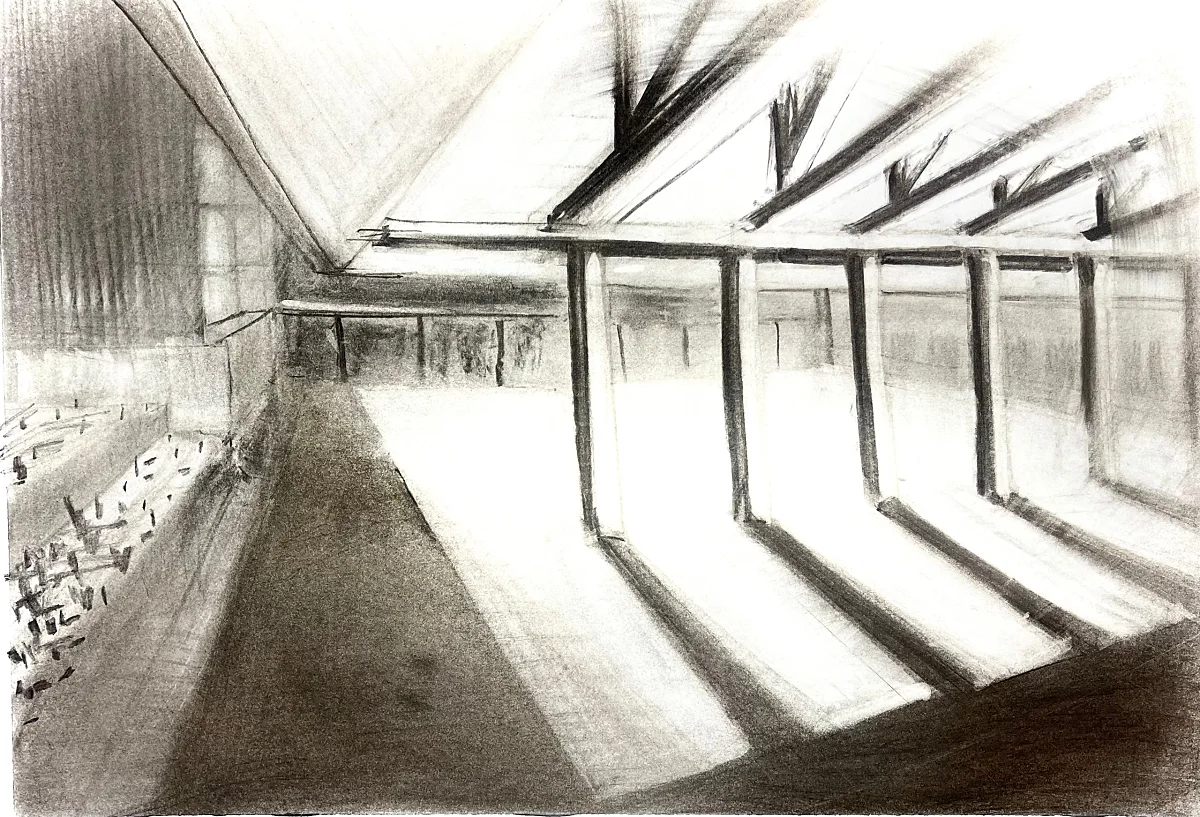
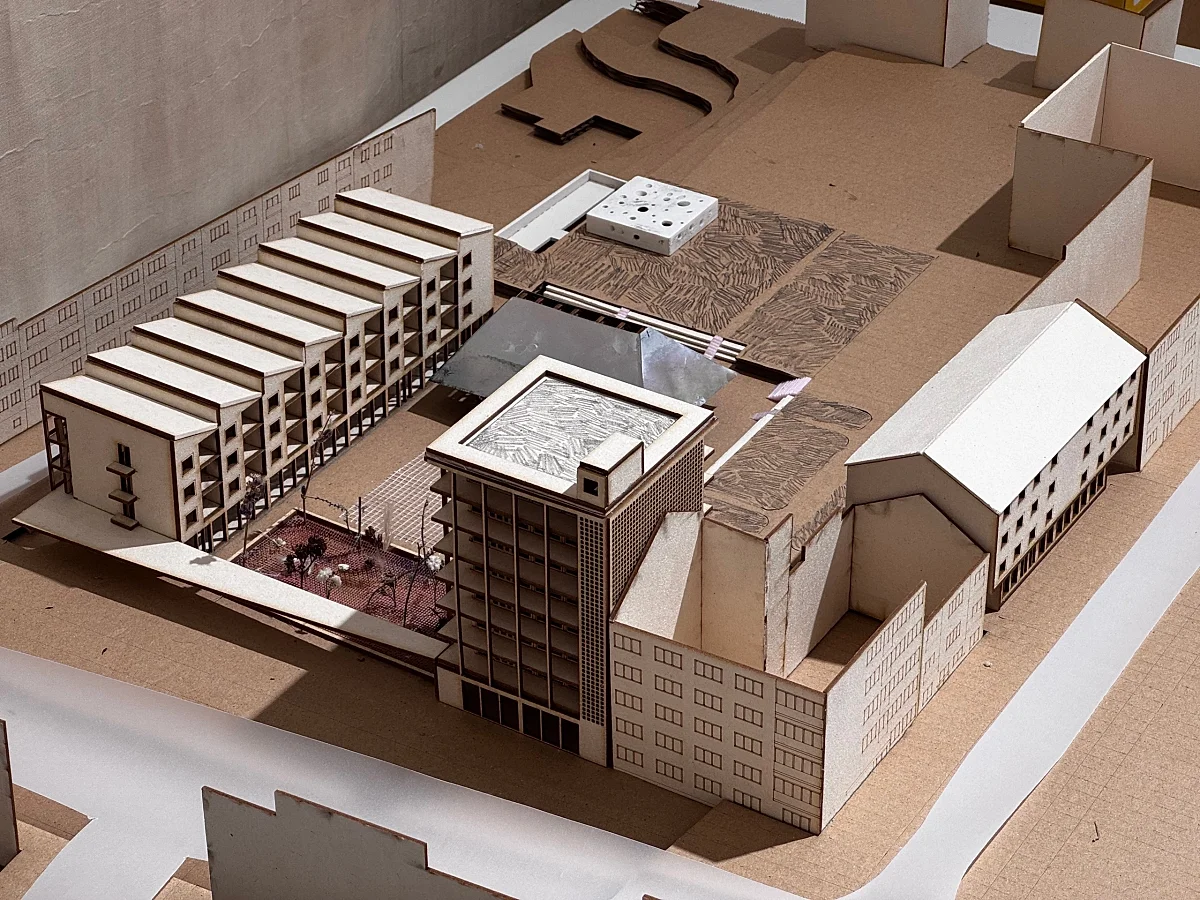
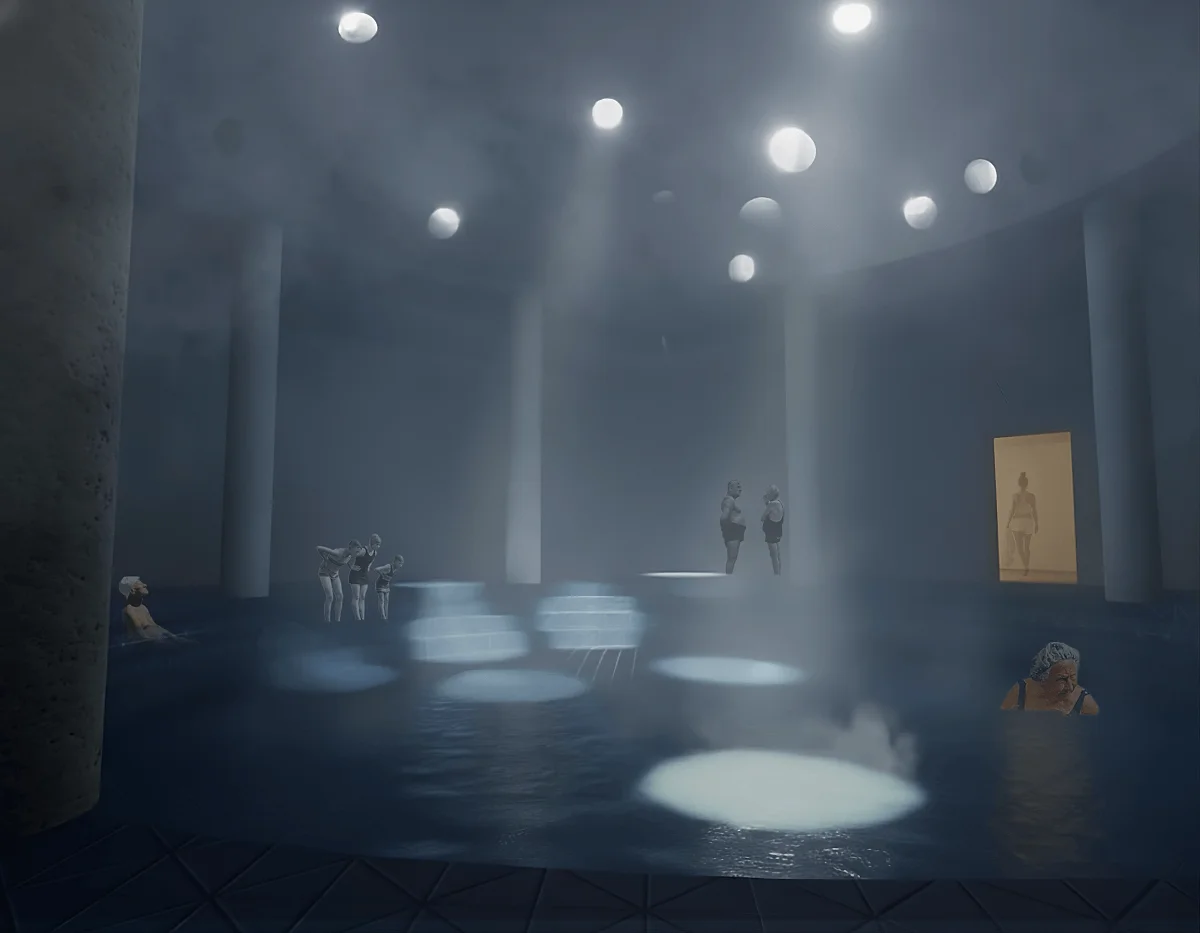
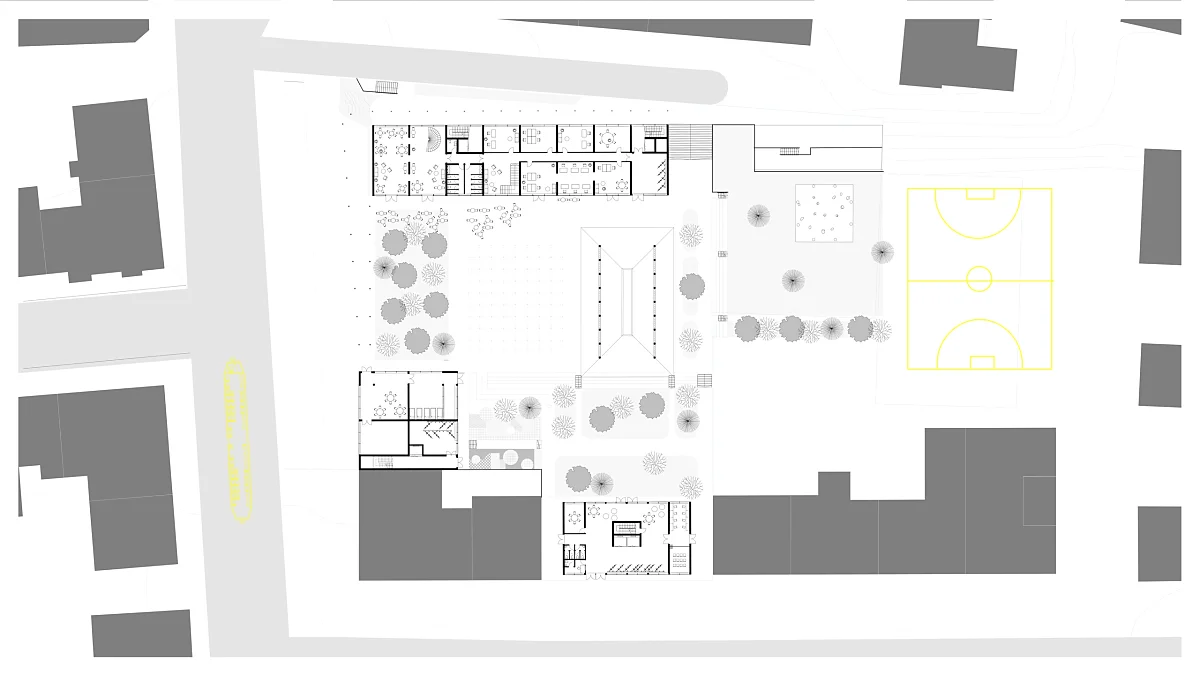
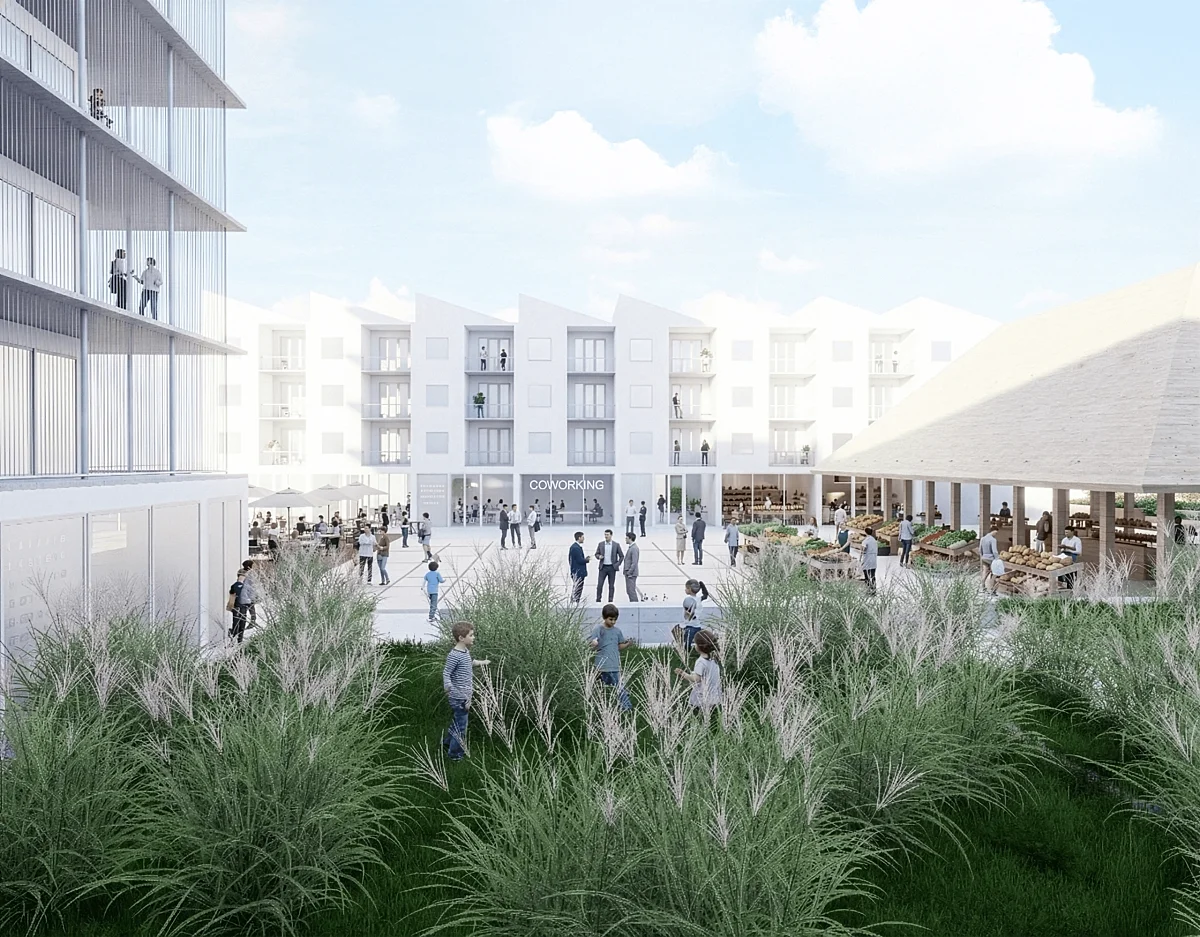
Bence Huszár and Renáta Tribel likewise adopted an unconventional and experimental approach. Their design reinterprets the idea of a “village within the city”. While preserving the district’s intimate character, they work at a scale that aligns with the existing urban grain while responding to contemporary challenges. ”To address housing shortages, municipal housing is provided within two residential blocks. At the heart of the central agora, the Barn functions as a shared, transitional space that naturally brings residents together. The Bathhouse supports everyday wellbeing, while a hall of residence for students of the neighbouring school is intended to reduce traffic and improve local quality of life. They interpret the agora through a village-like spatial pattern, drawing on its intimate, human scale throughout their design.
Housing is equally central to the concept developed by Emese Szakál and Hanga Izabella Reppert. Their research identified a steady movement of residents from District XII to the surrounding agglomeration. Many become commuters yet remain tied to the area through work or education, a pattern that also affects those who stay. In response, they set out to create a wide range of housing types and community functions to address the district’s varied needs and challenges. The housing mix includes private and social flats, halls of residence places and experimental co-living units, complemented by a flat-exchange programme. Community functions are organised around a bay-shaped agora that opens towards the city and establishes a direct connection to its surroundings with the residential buildings set around a central green park. The scale of both the interior and exterior spaces allows the development to sit comfortably within the everyday life of the district.
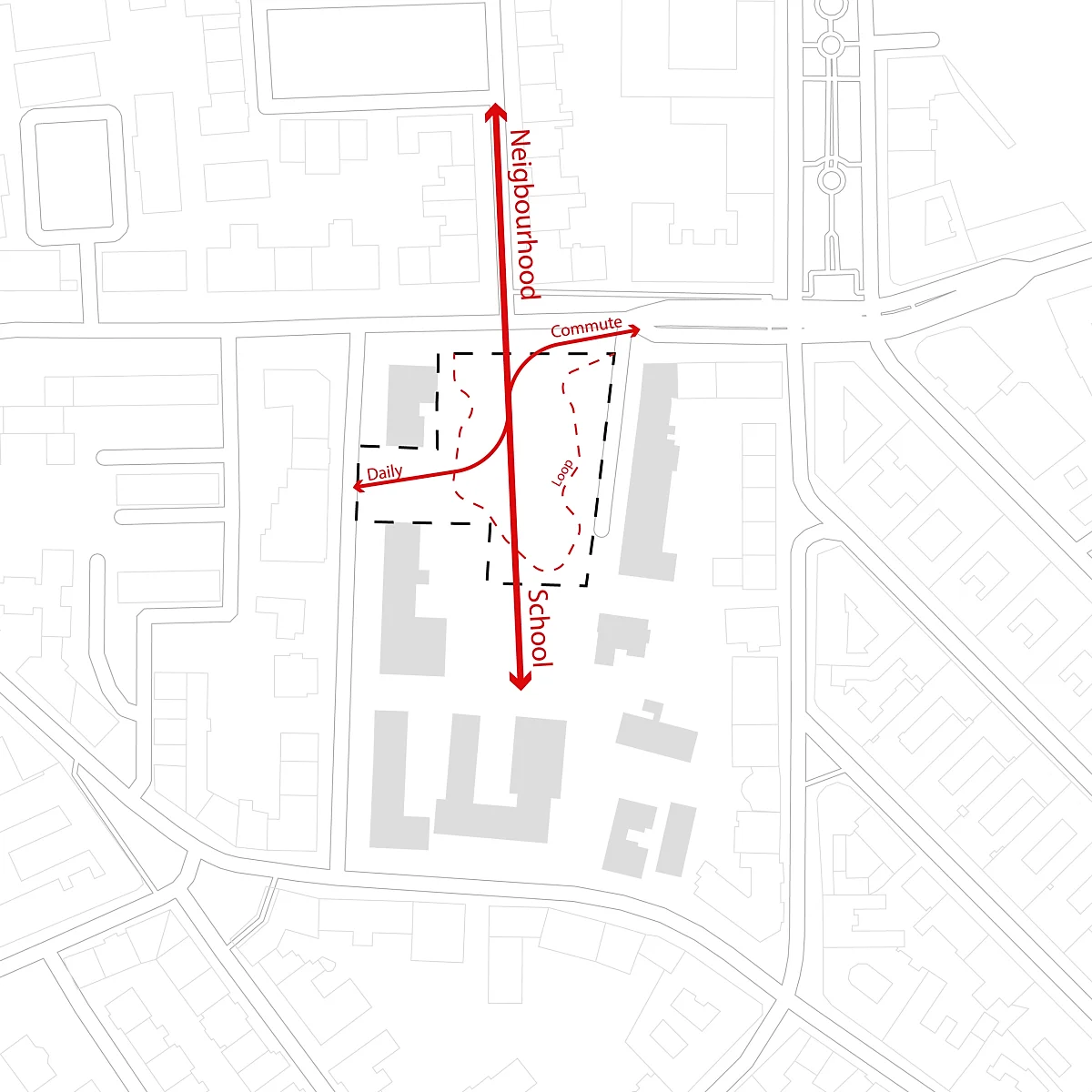
László Juhász and Áron Náray’s design received a commendation. It places a new residential development along Böszörményi Road, extending towards the courtyard of the neighbouring school. At ground level, it includes rentable retail units, a small event space, and a teaching swimming pool. The upper floors contain one-, two- and three-bedroom flats, with studio and penthouse apartments at roof level. Moving away from Böszörményi Road, the atmosphere becomes progressively more private. The agora is conceived as a space that welcomes passers-by, provides shelter for local residents, and offers a green setting for daily life.
The studio was led by Melinda Benkő, Zsófia Csomay, and Balázs Marián. The exhibition is available for viewing until 25 February 2026.
The student projects are presented here on the basis of a piece by Zsuzsi Werk, one of the course participants. The full version, together with the remaining competition entries, is available on the Építészfórum website.
More news