Patterns That Live On – Masters and Students at MOME
The exhibition seeks to illuminate the subtle human connections that bind generations together through the passing on of knowledge, perspective, and experience across the fields of craft and design. It is not concerned with presenting bodies of work, but with mapping the web of human relationships defined by personal encounters, time spent together, close attention, and mutual acceptance.
Nine creative practitioners currently teaching on the Designer Maker, Product Design and Textile Design specialisations at the Moholy-Nagy University of Art and Design (MOME) have each chosen a master and a student. The resulting trios reflect not only personal ties but also shifts across generations and ways of thinking, bringing past, present and future together. The exhibition seeks to bring to light the less tangible human factors that shape master–student relationships. How can something as subtle as a way of thinking, a particular sensitivity or an attitude to work be passed on? What role do time spent together, working side by side, attentiveness, acceptance, and even conflict play in relationships between masters and students? How is absorbed experience transformed in the practice of a later generation? One of the exhibition’s underlying premises is that knowledge cannot be owned, nor does it exist in a static form. We are mediators, not owners, of craft and vision. This is especially true of craft and design, where many forms of experience cannot be fully put into words. Material knowledge, movements, a sense of proportion, rhythm, attentiveness, and presence are all qualities carried forward primarily through human exchange and shared work. Master–student relationships work both ways: the student learns from the master, while the master’s thinking is also shaped by the student. Knowledge, therefore, is not simply handed down unchanged, but continually reinterpreted and transformed.
The focus of this exhibition is not the 27 practitioners themselves, but what takes place between two people – more precisely, between three people. Through these trios, knowledge emerges not as something passed in a single direction, but as a flow extending both backwards and forwards in time.
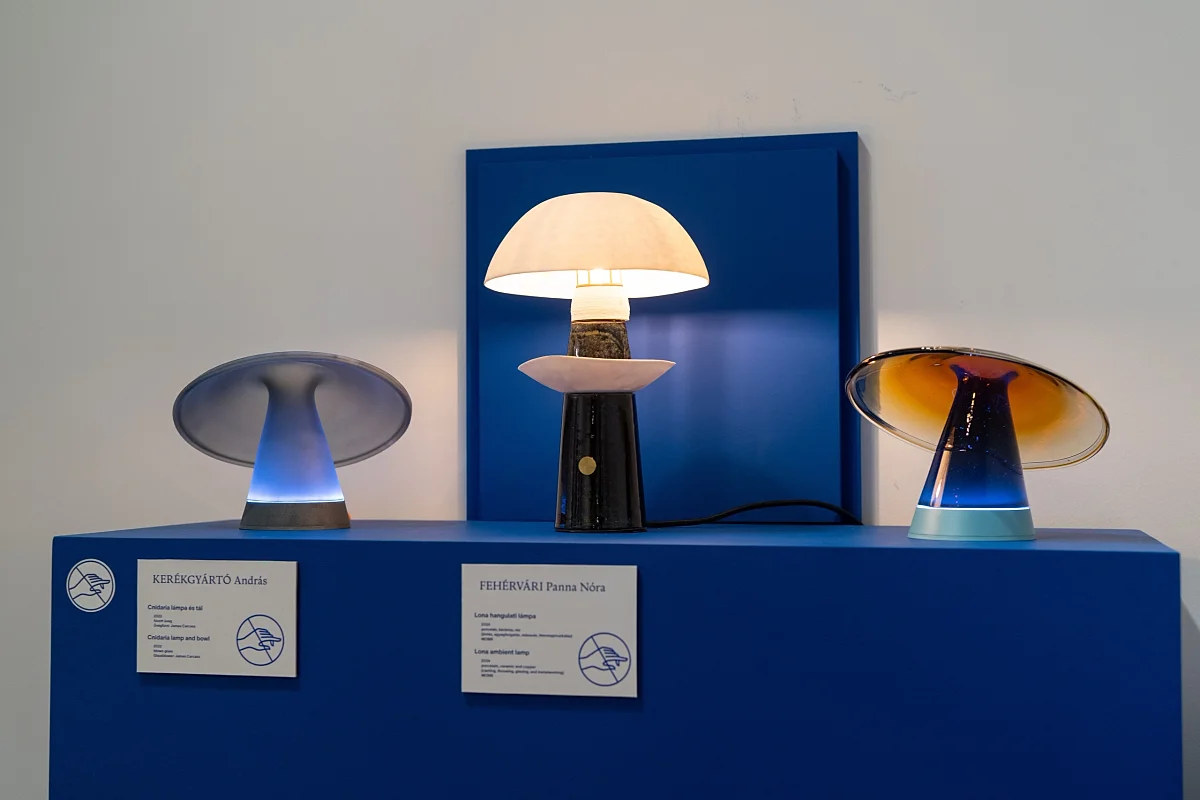
The works presented in the exhibition do not serve as illustrations, but they give physical form to the patterns that live on.
The project was funded by the National Cultural Fund of Hungary. The exhibition was curated by Dr Judit Horváth, researcher at MOME and Head of the Contemporary Design Collection at the Museum of Applied Arts Budapest.
The accompanying publication was produced by the Moholy-Nagy University of Art and Design.
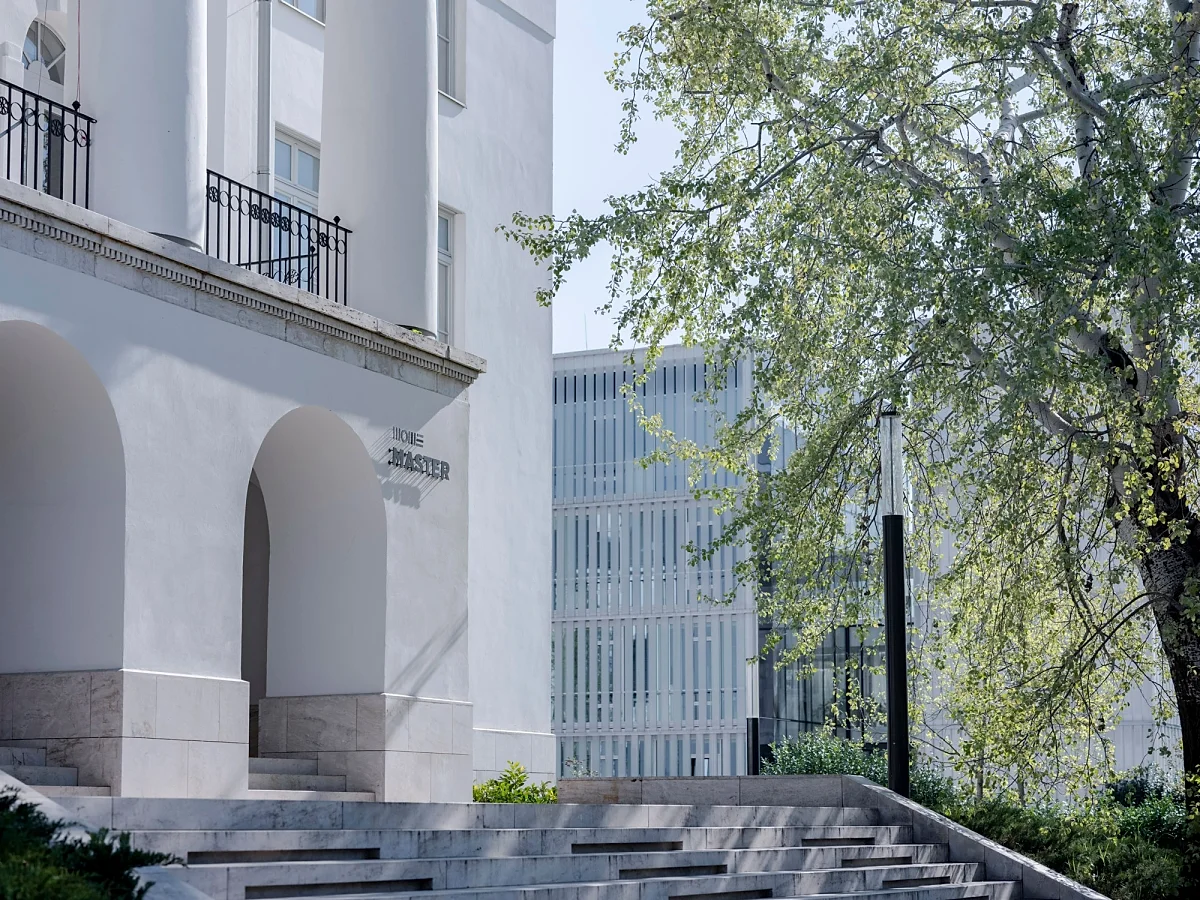
The exhibition is on display at the Ráth György Villa of the Museum of Applied Arts, Hungarian National Museum Public Collection Centre, from 19 October 2026 to 3 January 2027.
More news