News
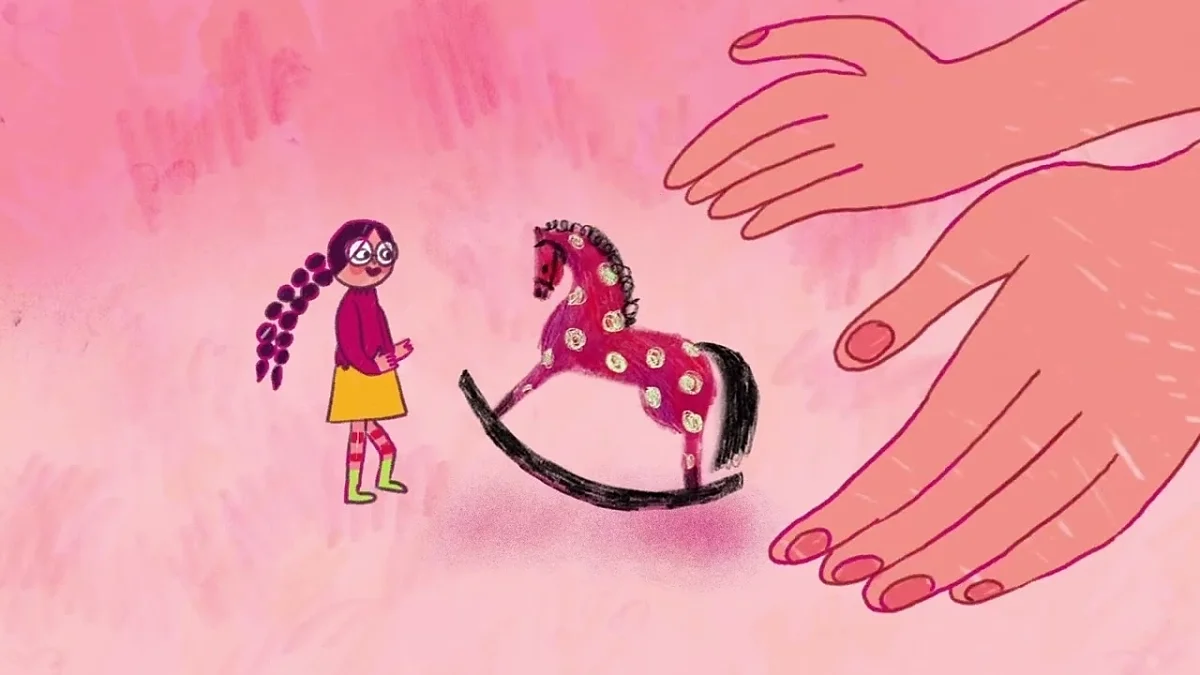
What happens when a child does not want to give someone a kiss? What is the difference between tattling and a cry for help? First-year students on MOME’s Animation BA responded to questions like these with six powerful animated shorts created in collaboration with the Hintalovon Child Rights Foundation. The films raise awareness of child abuse and children’s rights while addressing some of the everyday issues children face.
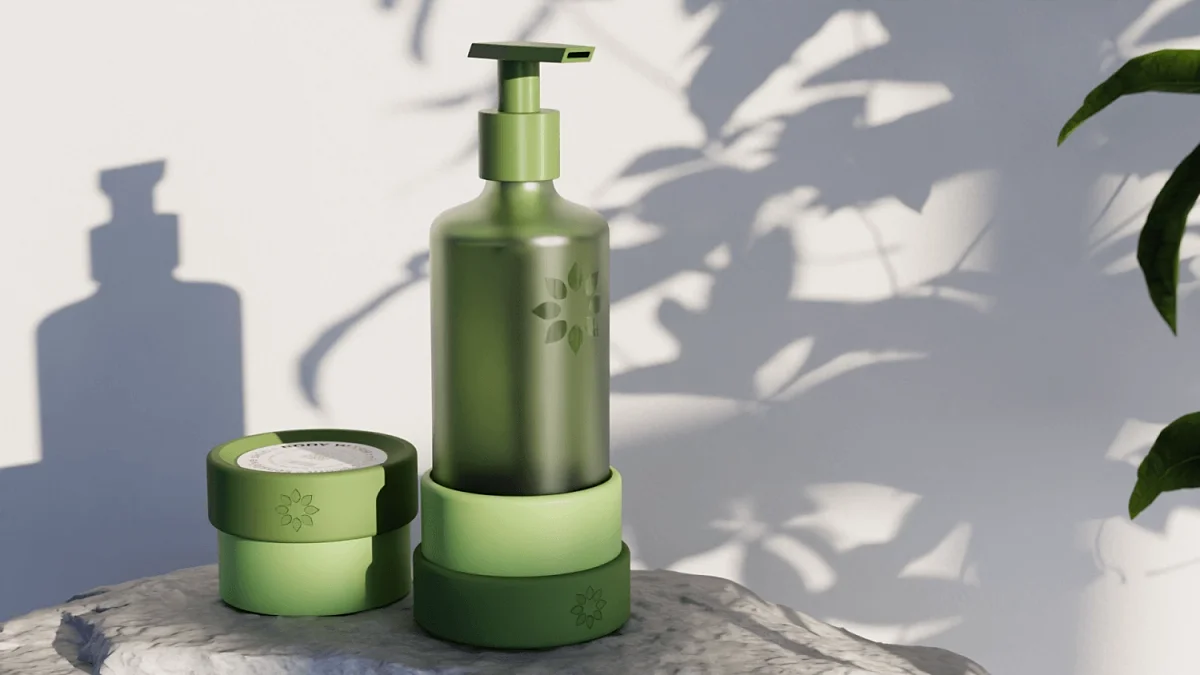
How does a student project make it from the initial design to a Red Dot submission? A strong concept is only part of the equation. It also takes dedicated mentors and a carefully crafted submission that brings the project’s genuine innovation to the fore. In 2026, five projects by MOME Design MA students once again received Red Dot Awards in the Design Concept category. SPIN, CAREFILL, BUBI-KART, KENGURU, and ATLAS each rethink how the systems and objects that shape urban life could work in the future.
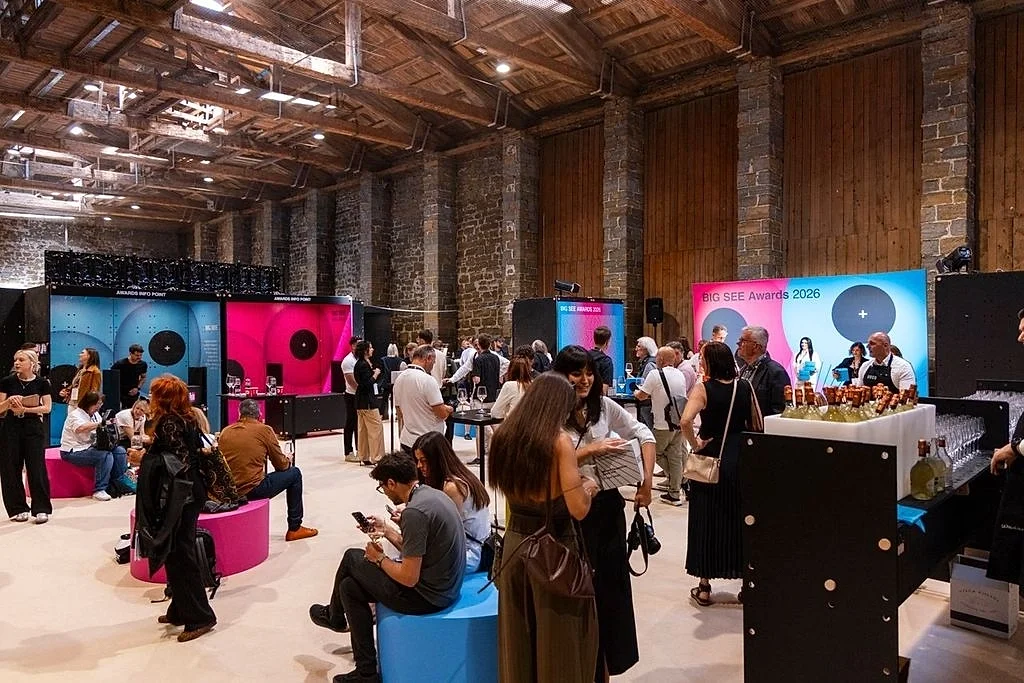
A fresh take on a forgotten lamp, a sauna on the banks of the Danube, and sustainable fashion collections – five creative practitioners affiliated with MOME, including last year’s graduates, have been selected for the 2026 BIG SEE Perspectives Award. Dorottya Bató, Valentin Szarvas and Nóra Szilágyi were nominated in the product design category, and Julianna Skrabák and the girls can scan collective in architecture. Their work forges links between current challenges in industrial design, the social issues explored through fashion, urban communities, and architectural heritage. On 21 May, the participants of the Perspectives 2026 introduced their projects to an international professional audience at the BIG SEE Festival in Portorož.
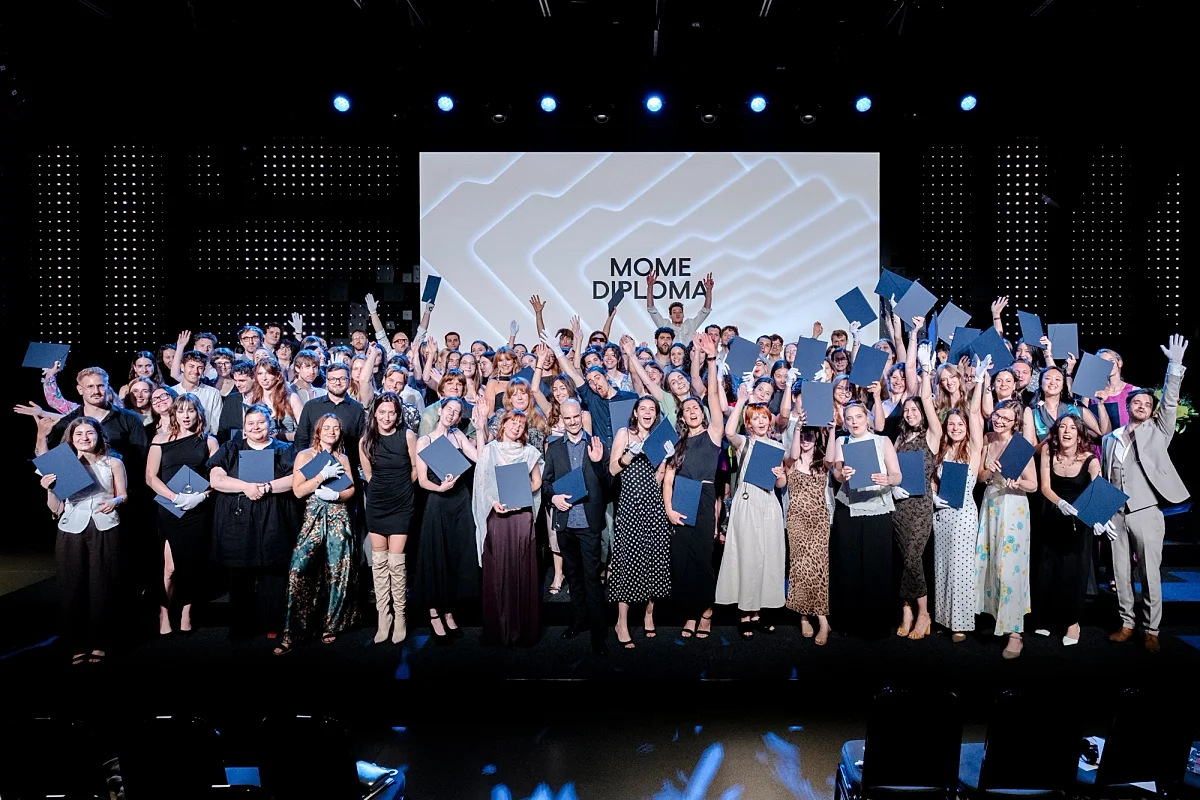
This year, the MOME community celebrated the graduates of twelve MA and nine BA courses in a festive ceremony. Speeches were given by interior designer Mrs. Bánki née Laura Szerdahelyi, one of our jubilee graduates, who turns 91 this year and designed the interiors of Déli Railway Station; Curator and László Moholy-Nagy’s grandson Daniel Hug; and designer Stefan Lengyel, who is celebrating a milestone anniversary this year. In addition to conferring the degrees, this year’s Rector’s Special Awards and several professional awards were announced, and the Gold, Diamond and Iron jubilee graduates also received their certificates.

What do you do with furniture that’s no longer needed but still in good condition? Can cooking become a shared experience without relying on recipes? And how can emerging fashion designers make their work more visible and valued? These are just some of the questions MOME Incubation mentees are seeking to answer with their projects, which they will present on 2 April, along with how each one moved from idea to realisation, from initial spark to the next milestone. Held at Dugattyús, the Demo Day brings together fifteen young designers, makers, and theorists, with presentations followed by discussions, an audience vote, and a closing celebration.
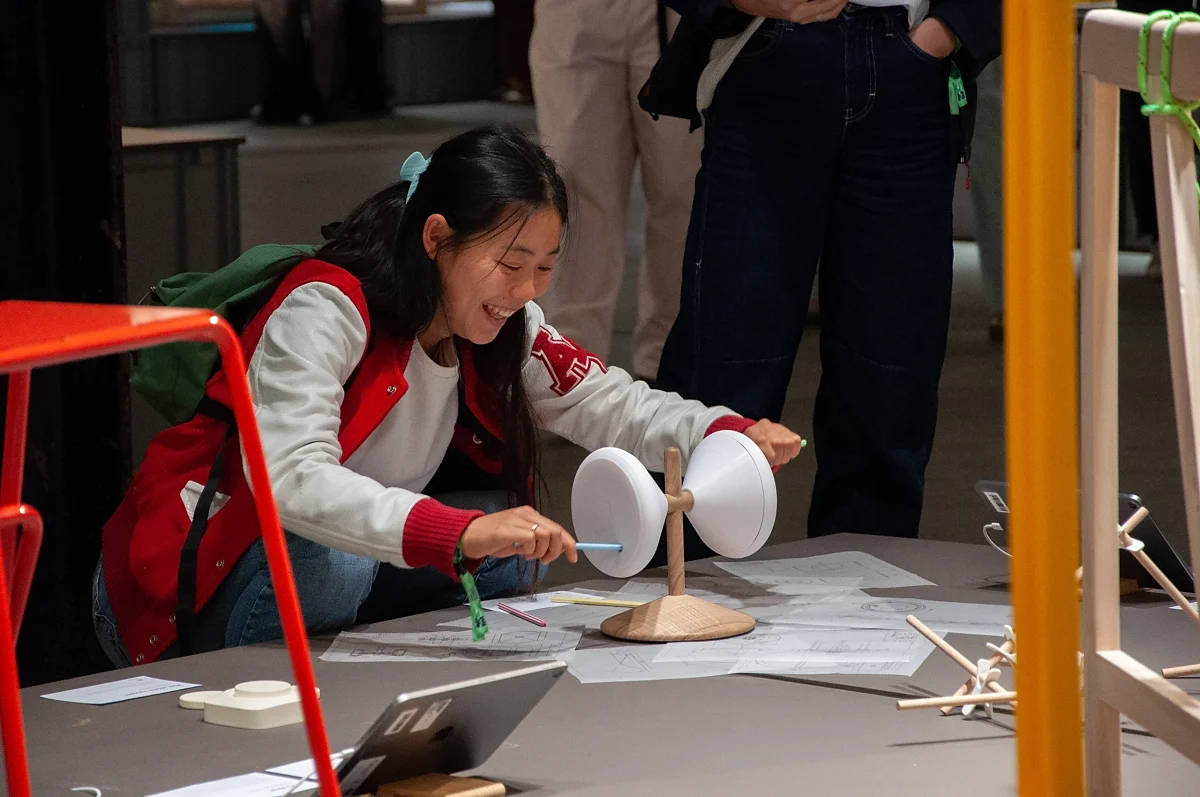
This year, MOME product design students are debuting their work in Eindhoven as part of The Class of ’25 exhibition at Dutch Design Week. This international showcase celebrates the emerging talents of European design education, with sixteen higher education institutions taking part. Together, they highlight the vital role of design education in shaping the future and reveal how the next generation of designers think about social and environmental responsibility. The MOME projects are grouped around the distinctly Hungarian notion of “gógyi” – quick-witted, resourceful practical intelligence. Working across different scales and media, the students demonstrate how this mindset translates into contemporary product design.
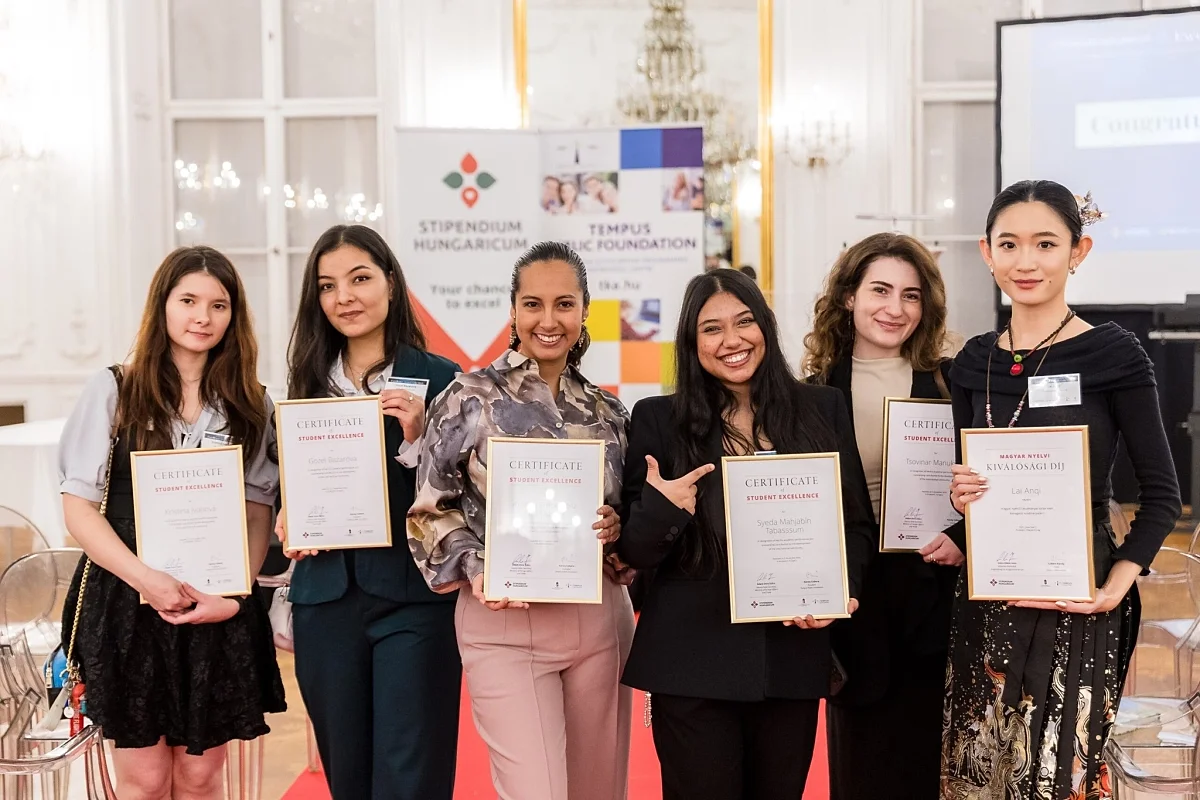
On 17 November, Designer-Maker student Tsovinar Manukyan received the Stipendium Hungaricum Excellence Award. The award was presented to a total of forty-eight international students with outstanding academic results studying in Hungary during the semester. Organised by the Tempus Public Foundation and the Ministry of Foreign Affairs and Trade, the Excellence Award Gala took place at the Festetics Palace in Budapest, celebrating academic achievement alongside cultural and active community engagement.

How can the former Tungsram factory district, once home to 12,000 workers, be brought back to life? What does collaboration between the university and the Hungarian Charity Service of the Order of Malta look like? And how can data visualisation help interpret health data collected from smart devices? These are just a few of the questions explored through MOME’s events at this year’s Budapest Design Week. Alongside the fields most closely linked to classical product design, the university’s students and researchers will present a wide range of projects, from socially engaged design to urban-scale interventions and contemporary challenges in visual culture and material innovation, offering a comprehensive picture of MOME’s complex professional activities.

In the first written feature of our Q&Alumni series, we spoke with jewellery designer Patrícia Harsány, a 2021 graduate of the MOME Jewellery and Metal Design MA programme. She shared her reflections on student life – from the vibrancy of life in the halls of residence and the warmth of university communities to collaborative projects that still influence her practice today. Since graduating, Patrícia has remained an active contributor to both her field and the life of the university, with projects spanning from Milan to Zugligeti Road. We caught up with her to hear more about those adventures – and what continues to inspire her.

Few art forms preserve tradition as seamlessly as Japanese ceramic art. In March 2025, students from MOME’s Designer-Maker programme had the rare opportunity to participate in a masterclass led by one of the most renowned contemporary Japanese ceramic artists, Toshio Ohi Chozaemon (11th generation). During this exclusive workshop, they not only learned the world-famous techniques of Ohi-yaki ceramics but also had the privilege of taking part in an authentic Japanese tea ceremony.

The winners of the eighth ArtHungry Award in the Product Design category include several former MOME students, such as Máté Guthy, Róbert Kristóffy, and Nóra Szilágyi for their ‘At Least’ home workout bench, and Márk Dávid for his ‘Puritaan – 03’ collection. The main prize in this category went to MAIII COLLECTIVE for its Fragments collection, which debuted at this year’s Stockholm Furniture Fair. In the Graphic Design category, Nóra Kaszanyi also received a main prize for her album and exhibition design ‘Biedermeier Lifestyles. Art and the Rise of the Middle Classes in 19th-Century Hungary (1815–1867)’. The awards were presented on 6 March at a ceremony held at Deák Palace in Budapest, which also marked the opening of a pop-up exhibition featuring the finalist projects.

‘What happens when we push the boundaries of car design?’ was the question posed by automotive design guru Chris Bangle when he returned to the Moholy-Nagy University of Art and Design in February to review the designs created during the Course Week masterclass. Bangle is a familiar name to fans of iconic brands such as BMW and Fiat, but for MOME students, he is not just a legend – he’s also a teacher. Bangle began working with the students after the 2024 Future Materials Conference, where he was a speaker. It was here that he met the students of the Mobility Lab, the Product Design programme, and a few alumni, all of whom joined forces to rethink some aspects of the current, unsustainable automotive industry.
1
2
3
4
5