Site Inspection
Instead of Rome’s museums and historic landmarks, our focus this time was the streets themselves. We began with the city’s famous “talking statues”, such as Pasquino, Marforio, and Madama Lucrezia. Since the 16th century, they have served as a running critique of both secular and ecclesiastical power, a commentary on the anomalies of public affairs through anonymous satirical messages, poems, and posters. This exchange continues across the city’s public spaces, from tags that crop up everywhere, through often sharply political graffiti, to the colourful, large-format murals across the outskirts. In this swirling surface layer of the city, largely unselfconscious and full of chatter, we looked for meanings that remain accessible to an outside observer, while taking care never to cross into intrusive territory.
In our approach to gathering knowledge and inspiration, walking took the lead, often taking us to the most unexpected places. We owe a great deal to Szonja Urbán’s walking project, which followed a largely random route criss-crossing the city from one end to the other, and which the entire group eventually joined. Rome is ideal for endless walks like these. As a result of the city never developing a significant industrial base, in many places you find yourself dropping from open land, surrounded by sheep and cicadas, straight into the streets, without the bleak transition through industrial zones typical of European capitals. From there, you pass through markedly different neighbourhoods to the suddenly emerging seats of age-old power.
During dérives that often ran through the night, everyone carefully recorded the traces that mattered to them, and these personal archives form the backbone of the works featured in the exhibition. While working on her walking diary, Szonja Urbán documented tags left along her route by distant collaborators. Sára Holczer also frames her work as a diary, a form of “self-collection”. Boldizsár Csongor Nagy focuses on the messages, slogans and fragments covering the walls, as they come together into a strange kind of automatic writing. Eszter Tóth builds her own alphabet from the grotesque letterforms of graffiti, while Adelina Aranka Vass catches the odd poetry in the vibrations of public electrical equipment, and Fülöp Bechtold tracks the incised and scratched marks of private presence.
Miklós Erhardt
Programme Lead, curator
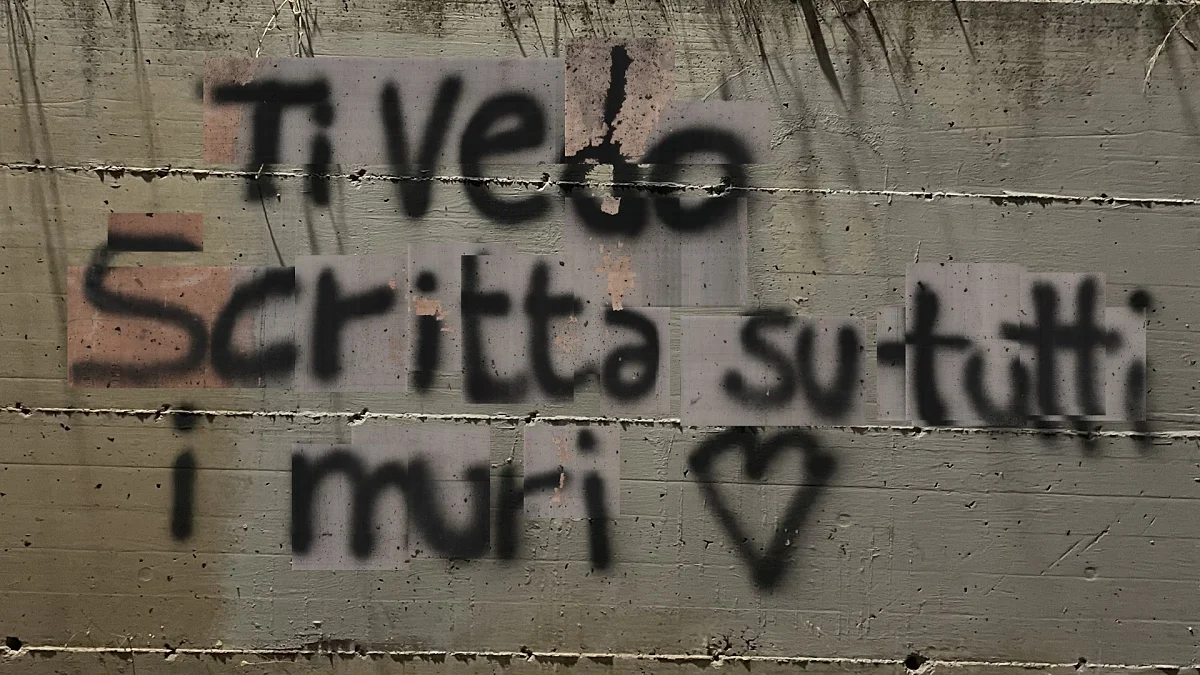
Szonja Urbán
In a month-long performative walk, she traces the letters of “ANYA” across the map of Rome while collecting traces of other graffiti. Virtual and physical mark-making merge into a personal yet collective mapping.
Sára Holzer
Notes capturing desires and fantasies form an intimate map of a Roman residency. The distant, observed landscape becomes both subject and reflection.
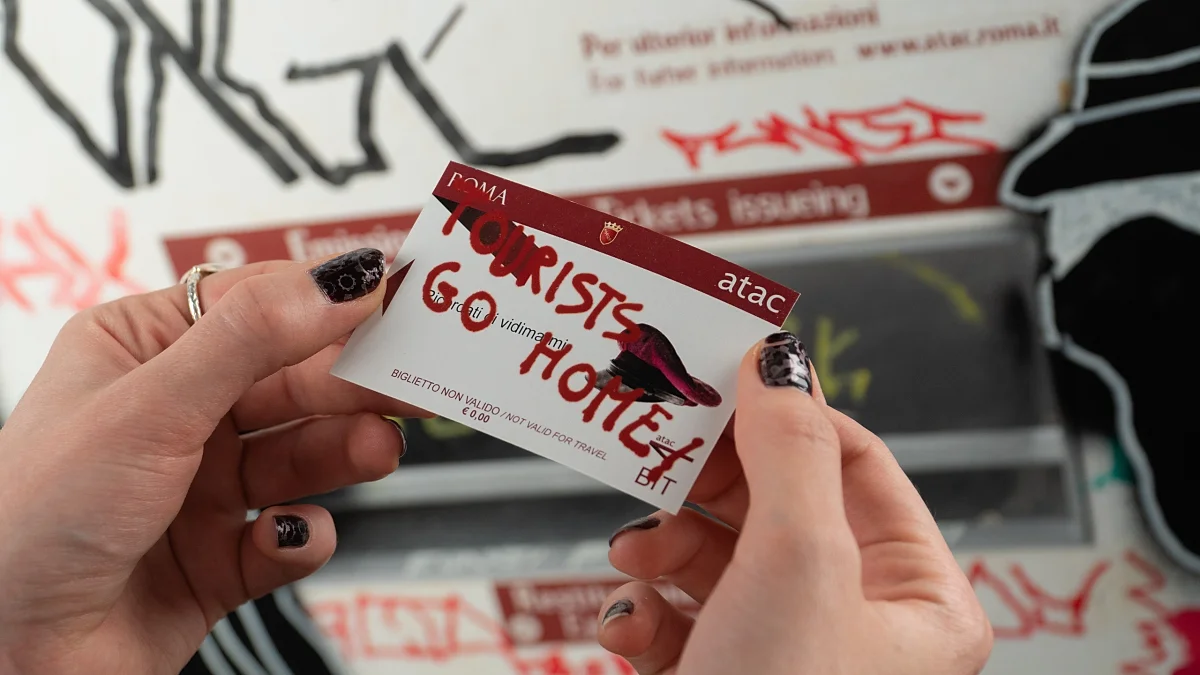
Csongor Boldizsár Nagy
An installation and archive built from Rome’s “speaking” graffiti, where a ticket machine dispenses textual traces. Urban inscriptions are recontextualised and given a new voice.
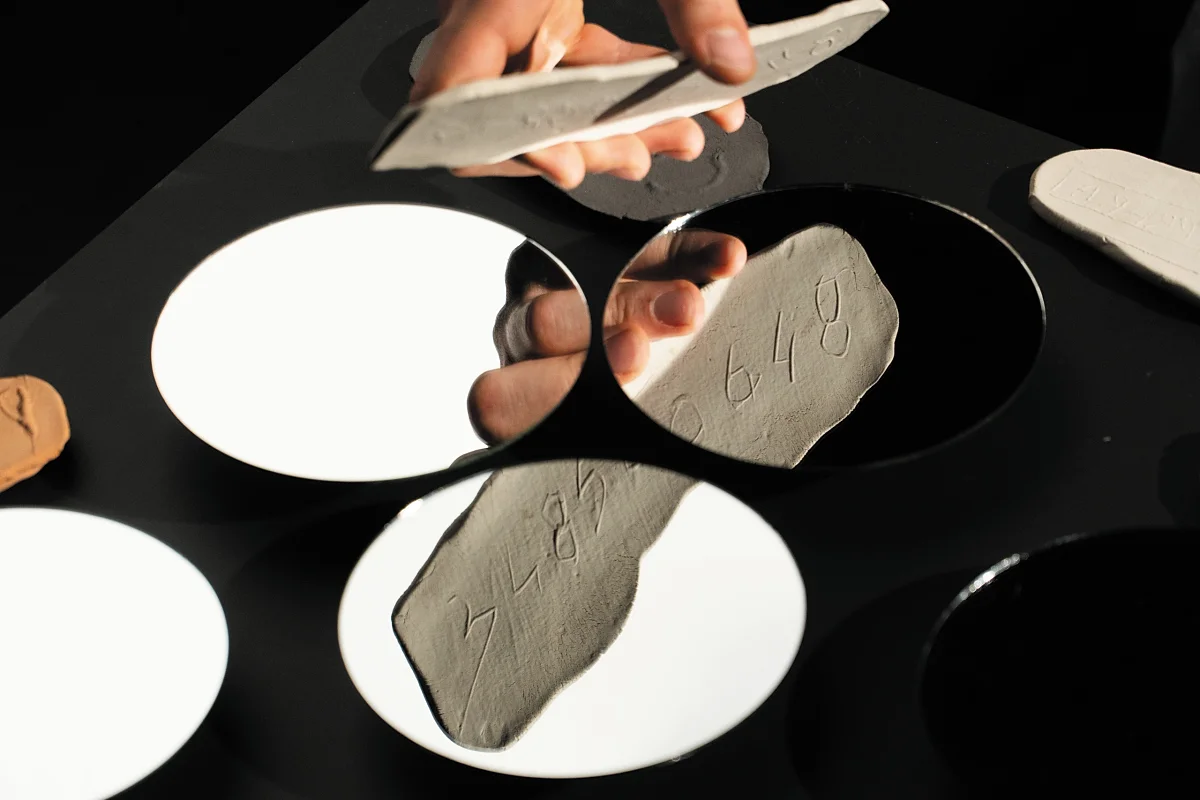
Fülöp Bechtold
Explores the enduring gesture of scratching marks into surfaces as a form of presence. The work reflects on the tension between fading meanings and lasting traces.
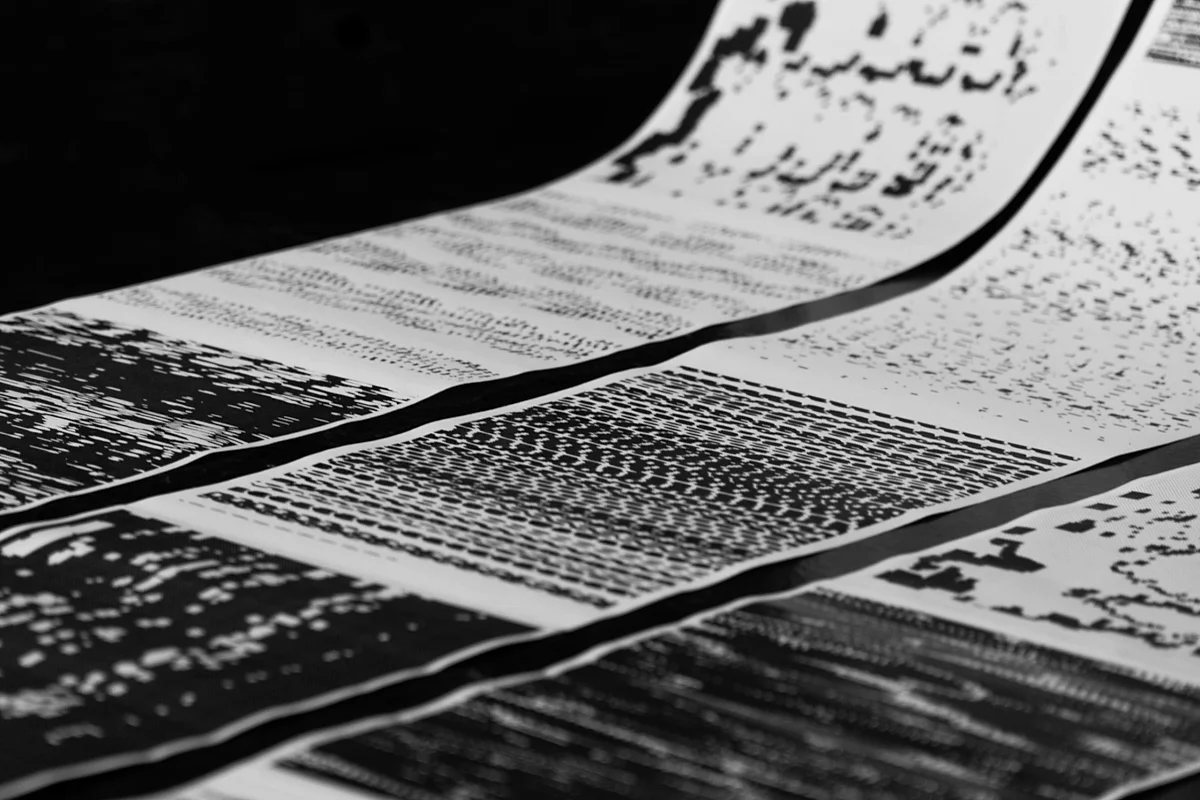
Aranka Adelina Vass
Hidden electromagnetic signals are transformed into sound and image across public spaces in Rome. The fading visual traces reflect the fragility of digital noise and technological presence.
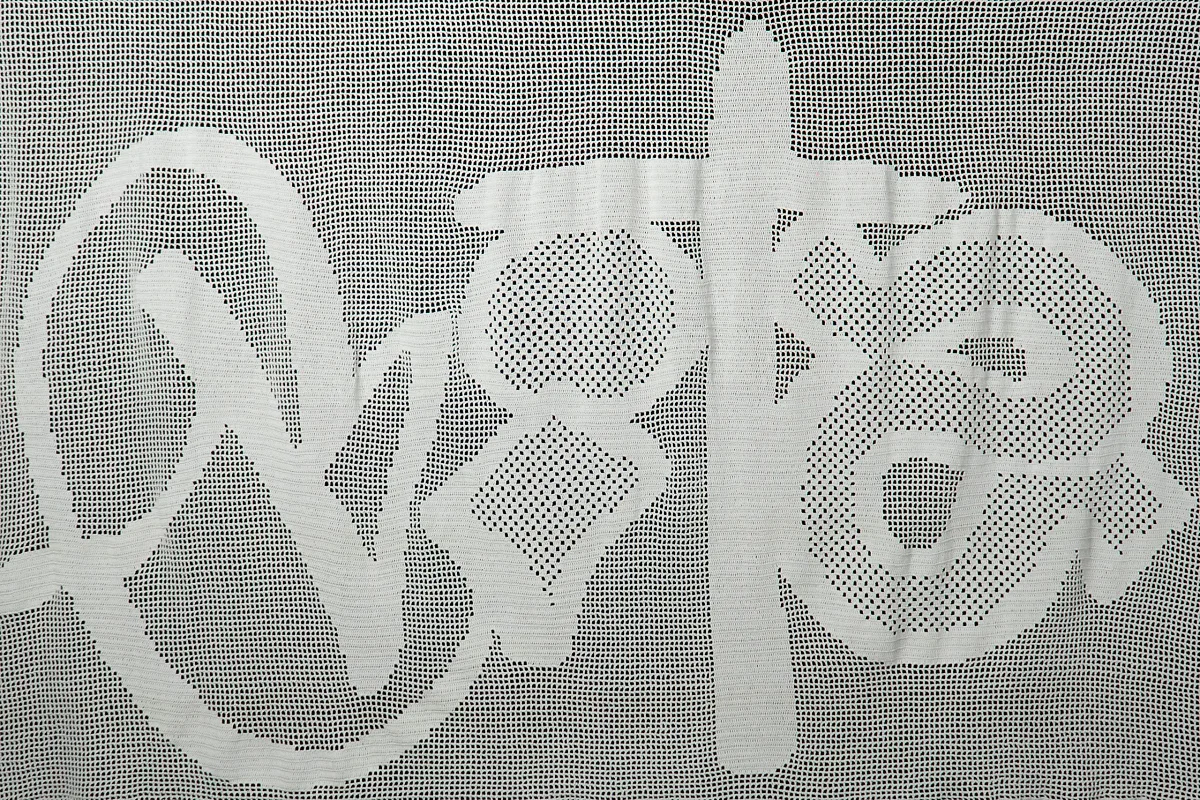
Eszter Tóth
A hybrid of graffiti and crochet creates a new visual language around appropriation and authorship. The work offers a personal and critical reflection on street art culture.

Budapest-Rome
The Moholy-Nagy University of Art and Design (MOME) and the Collegium Hungaricum Rome have launched a residency programme to foster artistic creativity, interdisciplinarity, and cultural value creation. The official signing of the contract for the Rome Student Residency Programme, established in collaboration between the two institutions, took place on 21 October at the MOME Campus.


Applications are once again open for the joint student residency programme run by MOME and the Collegium Hungaricum Rome. Established in 2024, the initiative is designed to support the launch of MOME students’ professional careers and international success, each year offering six talented students the opportunity to spend four weeks in July at the Hungarian Academy in Rome. The programme includes a preparatory course and fieldwork, followed by a group exhibition in the spring at the Falconieri Palace Gallery. Both graduating BA and MA students are eligible to apply, including those enrolled in English-language programmes, who may submit their applications in English.