Embraced by Dennis Meadows
The idea of degrowth — as a slogan, a movement, and a field of research — comes from a simple but radical question: what if reducing production and consumption could actually improve human well-being and the environment? While degrowth shares certain goals with sustainable development, it offers a different path, one that emphasizes fairer distribution of resources, community self-determination, and new ways of thinking across economics, the humanities, and the arts. This symposium focuses on what degrowth means for architecture and urban planning.
Degrowth has been explored in many disciplines, but there is not yet a single unified model. Still, researchers and activists agree that some form of degrowth — or something similar — is unavoidable. The concept can be understood in three overlapping ways: as a slogan, a social movement, and a scientific theory. This symposium emphasizes the last of these, while also showcasing real-world examples.
Today, most urban development follows the values of neoliberal economic policy and the assumption of endless growth. These priorities shape our public spaces and often push aside even the most well-meaning “sustainable” projects. Research on degrowth in urban contexts shows that many current models are still bound to the growth paradigm. To move beyond this, we need a fresh theoretical foundation — one that challenges the logic of growth and cannot be absorbed by capitalism. Although a comprehensive architectural or design framework does not yet exist, studies in the field already outline working principles and methods. This symposium contributes to building that knowledge and opening up further discussion.
Day One
The first day of the symposium offers a general introduction to the degrowth paradigm. Sessions will trace its intellectual roots in economics, activism, the social and hard sciences, highlighting how these fields have challenged the assumption of infinite growth since the 1970s. Contributors will outline why continuous economic expansion is environmentally unsustainable and socially unjust, and present alternative models that prioritize wellbeing, equity, and ecological balance. This opening day sets the stage for the more specific architectural and urban discussions that follow.
09.30 – 10.00 Registration - Auditorium (Master building)
10.00 Introduction
Prof. Márton Szentpéteri, Head of PhD Programme, MOME
10.15
Worldview Capitulations for Degrowth
Prof. Alexandra Köves, Ecological economist, Corvinus University
11.00
The Origins of Degrowth
Vincent Liegey, Co-author of the Routledge Handbook of Degrowth, coordinator of Cargonomia, degrowth research and experimentation cooperative
11.40
Extraction by Design: Platforms, Lithium, and the Price of Digital Life
Ivana Stepanović PhD, Institute of Advanced Studies, Kőszeg
12.30-14.00 Lunch break
14.00
Degrowth Philosophy? A Mapping of Synchronies
Prof. Liisi Keedus - online
Professor of Political Philosophy, Tallin University
14.30
The Degrowth AI Algorithm: Can the Tool of Acceleration Become the Engine of Degrowth?
Prof. David Daou, UNU-EHS
15.00 Panel discussion
The day concludes with a panel discussion where presenters and the audience can reflect on and debate the day’s talks in a moderated conversation. We encourage the audience to participate actively, as the panel discussion is the key forum for genuine exchange of ideas.
16.00 Degrowth Design - Exhibition opening (Auditorium lobby)
As a satellite program of the symposium, the Degrowth Design exhibition presents a curated selection of poster works by Hungarian graduate and doctoral students. The call invited design and art projects that engage with themes of degrowth, ecological awareness, and critical perspectives on growth. During the opening, the participating artists will briefly introduce their works in two-minute presentations.
The exhibition will be opened by Zsuzsanna Kiss-Gál, architect.
17.00 MOME Campus Tour
Day Two
The second day turns to the architecture and urbanism of degrowth, exploring scales from small interventions and housing to entire neighborhoods and cities. While ecological economics and related fields have debated degrowth for decades, its architectural and urban applications are still emerging. Presentations will highlight key theoretical contributions alongside international and Hungarian examples that demonstrate how degrowth can be translated into practice. Understood as an umbrella concept, the architecture of degrowth includes critiques of architectural education and the construction industry, reflections on the ethical role of design, and proposals for concrete alternatives. Because these challenges require collaboration across disciplines, the day emphasizes approaches that combine design practice with social participation and activism. The goal is to open up an interpretive field that offers practical ideas for practitioners while encouraging critical debate among professionals.
09.30 – 10.00 Registration - U-401 (UP building 4th floor)
10.00 Introduction
Boglárka Jakabfi-Kovács, Symposium Chair, Architect, MOME
10.20
The Spatial is The Political - Keynote Presentation
Prof. Anitra Nelson, University of Melbourne - online
10.50
Sufficiency Planning
Prof. Jin Xue, Norwegian University of Life Sciences
11.30
The Urbanism of Sufficiency to Face Global Challenges
Veronica Sánchez Carrera, n’UNDO - online
12.00
Back to Nature: Implications of Degrowth
Prof. László Pintér
Coordinating Lead Author of SDG Reports, former Head of Department of Environmental Sciences and Policy (CEU)
12.40 Degrowth Design - Exhibition visit (Auditorium lobby)
13.00 - 14.30 Lunch break
14.30
Are We Spatializing Degrowth? Stellar Moments and Professional Practice in Suisse Romande
José Berbiela Bustamante
Urbanist, architect, MOP A
15.10
Beyond the Boom: Re-defining 'Growth' through Regenerative Landscape Design
Anita Fodor, Landscape architect, RÉT
15.45
Enduring material, transforming space
Dániel Baló, architect, MURUM
16.15
Panel discussion
The day concludes with a panel discussion where presenters and the audience can reflect on and debate the day’s talks in a moderated conversation. We encourage the audience to participate actively, as the panel discussion is the key forum for genuine exchange of ideas.
Presenters

Dr. Alexandra Köves
In the first decade of her career, she gained experience in the field of development policy. Questioning whether what is currently called “development” is truly sustainable and just, she turned to science in 2011 in search of answers.
She joined Corvinus University as a lecturer in 2014. Since then, as one of the Hungarian advocates of ecological economics, she has sought to introduce this field of research both to her students and to a broader audience.
Her long-running podcast series Zöld egyenlőség (“Green Equality”) now has more than 180 episodes, and she is also the founding host of Economics for Rebels, the English-language podcast of the European Society for Ecological Economics.
Between 2022 and 2024 she served as Vice President of the European Society for Ecological Economics, and from January 2025 she holds the position of President of the Society.
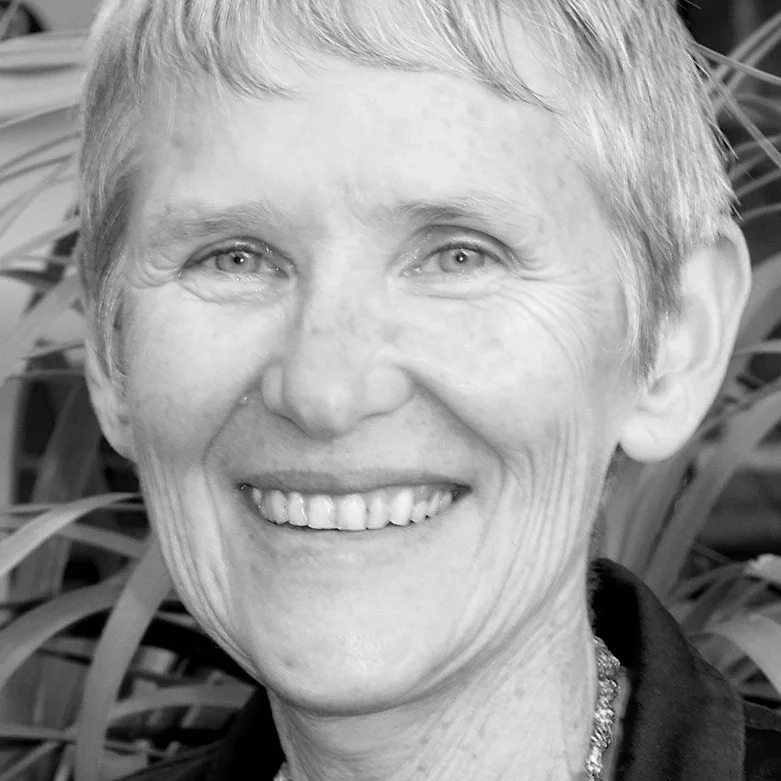
Anitra Nelson
Anitra Nelson is an activist-scholar affiliated with the Informal Urbanism Research Hub (InfUr-) at the University of Melbourne, where she works at the intersection of academic research, political engagement, and ecological thought. Her recent efforts (2023–25) culminated in co-editing the Routledge Handbook of Degrowth (2025), while her broader body of work includes Post-Carbon Inclusion (Bristol University Press, 2024, co-editor), Beyond Money: A Postcapitalist Strategy (Pluto Press, 2022), Exploring Degrowth: A Critical Guide (Pluto, 2020, with Vincent Liegey), Food for Degrowth (Routledge, 2021, with Ferne Edwards), Housing for Degrowth (Routledge, 2018, with François Schneider), and Small Is Necessary: Shared Living on a Shared Planet (Pluto Press, 2018). She has long been active in international collaborations on degrowth, eco-collaborative housing, and post-growth planning, while also serving as a series editor for Palgrave Macmillan’s Alternatives and Futures and Pluto Press’s FireWorks series.
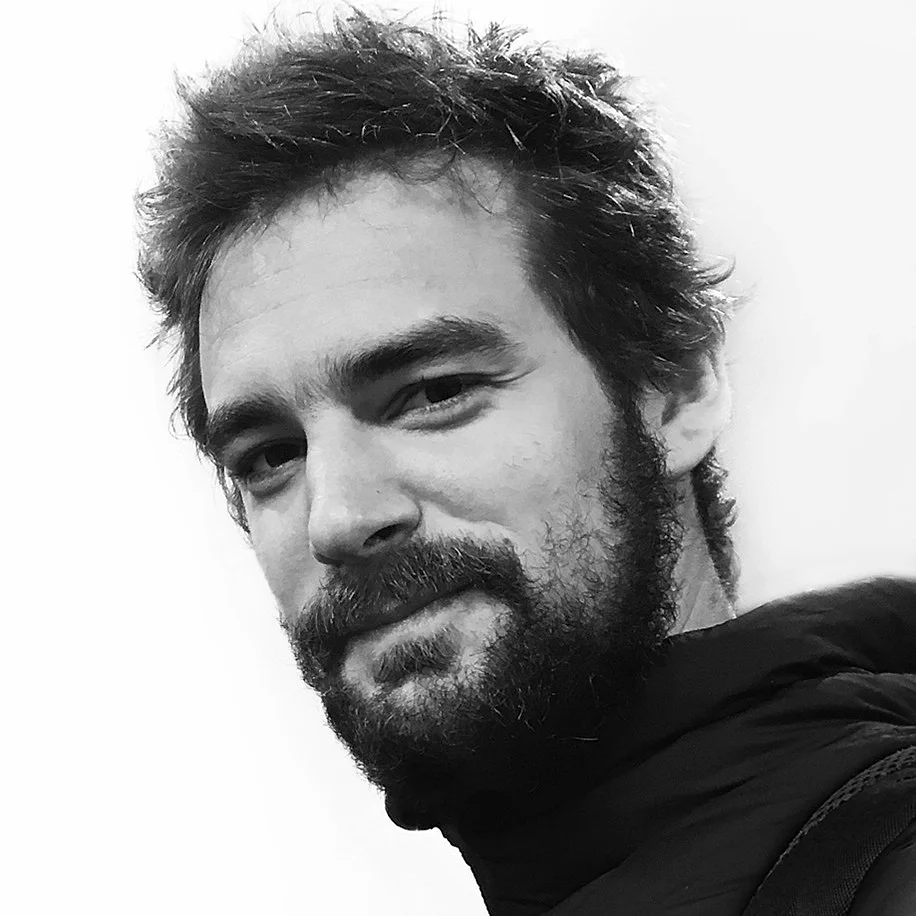
Daniel László Baló
Daniel László Baló founded Murum Studio, a Budapest-based architectural atelier in 2016. Murum Studio is constantly experimenting in blurring the boundaries between various architectural dichotomies: occupied and empty, mass and void, old and new, natural and artificial. This is achieved through a deep understanding of the existing, the meticulous application of material knowledge, and a focus on sensory and intuitive design principles. The studio focuses on the transformative approach of existing buildings but also engages in designing new constructions and creating both temporary and permanent installations.
He co-founded “studioB”, a degree level course at MOME. Focusing on the abstract relation between nature and humans the studio realized various on-site projects in Holland (OEROL festival), Spain (Más Madera) and Hungary.
Daniel co-funded TIMBOO (2020), a resource development and management organisation focused on sustaining local economies and community life. The initiative is based on skills-training in bamboo farming, processing, designing and creating sustainable architectural solutions using bamboo as a local building material.
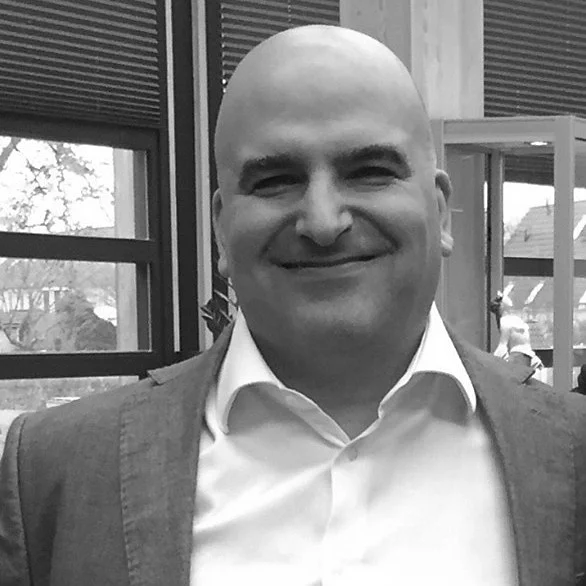
Dr David Daou
Dr David Daou is a Team Lead of AI & Remote Sensing and a senior scientist at UNU-EHS. He has been a researcher for the past 19 years, during which he worked with the top European institutions, such as the Joint Research Centre, the European Space Agency and the Dutch Meteorological Institute. His research includes developing AI algorithms for Earth Observation, disasters risks, but also developing AI and Physics inversions applied more into Atmospheric Physics.
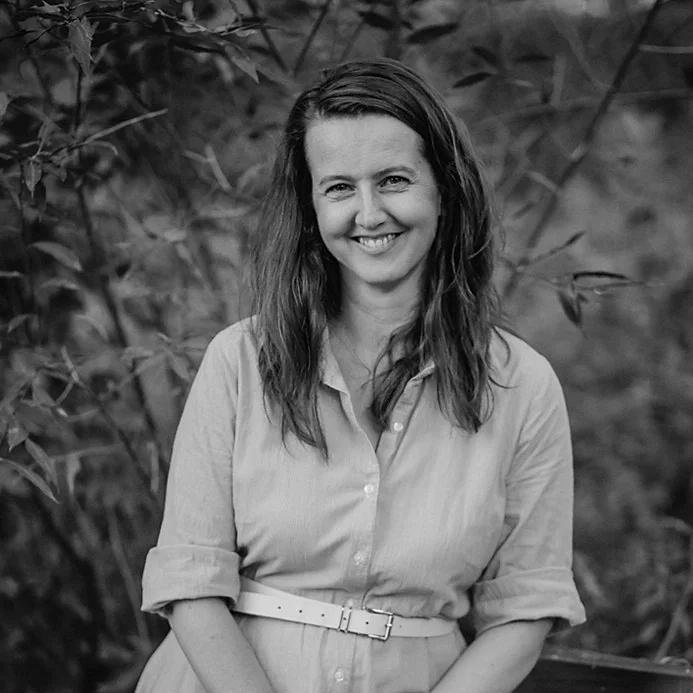
Anita Fodor
Anita Fodor is a landscape architect, a rehabilitation engineer, a mother, and wife. Regardless of scale, she is inspired by creating liveability, restoring the human-nature connection, and enhancing biodiversity. Anita worked in regional development, designed and built gabion retaining walls, and then managed a business unit related to public space products for several years. She co-founded RÉT, where they design regenerative habitats. The studio deals with complex, interdisciplinary tasks where, as responsible and creative landscape architects, they work to help more people recognize the importance of nature and a healthy environment in their own lives. Anita regularly participates in events related to therapeutic horticulture, both as a learner and an educator. She lives with her family in the Balaton Uplands, where she cultivates her garden using nature-based solutions.
José Berbiela Bustamante
José is a child of Madrid, the big city. He is passionate about the mountains and is an avid reader. He has always enjoyed building things. He is now a father, architect, urban planner, law student and apprentice firefighter. Curiosity has always accompanied him, and the passions that drive his professional practice are co-construction, participation, diversity, the right to housing, and the right to the city.
He is a partner at Atelier MOP A in Renens, Switzerland, and has worked for Recetas Urbanas in Spain.
He dreams of a better, fairer world.
Boglárka Jakabfi-Kovács
Her research explores the intersections and overlaps between systems thinking design and the urbanism of degrowth, with a focus on strategy building, education, and design activism. She teaches courses developed in collaboration with actors from design theory, gamification, and public administration, aimed at architecture and design students. In addition to her public installation works, her portfolio includes reuse-based renovations and residential projects.

Jin Xue
Jin Xue is professor in urban and regional sustainability planning. Her research interests are in urban and housing sustainable development, second-home planning, post-growth urban development and planning, urban futures based on scenario planning, and critical realism. Her research draws on a cirtical perspective on the eco-modernist planning paradigm and ideology. Through conceptual development and empirical studies, she has contributed to the field of post-growth planning by bridging the degrowth debates and planning profession and exploring implications and pathways of spatializing and urbanizing degrowth.
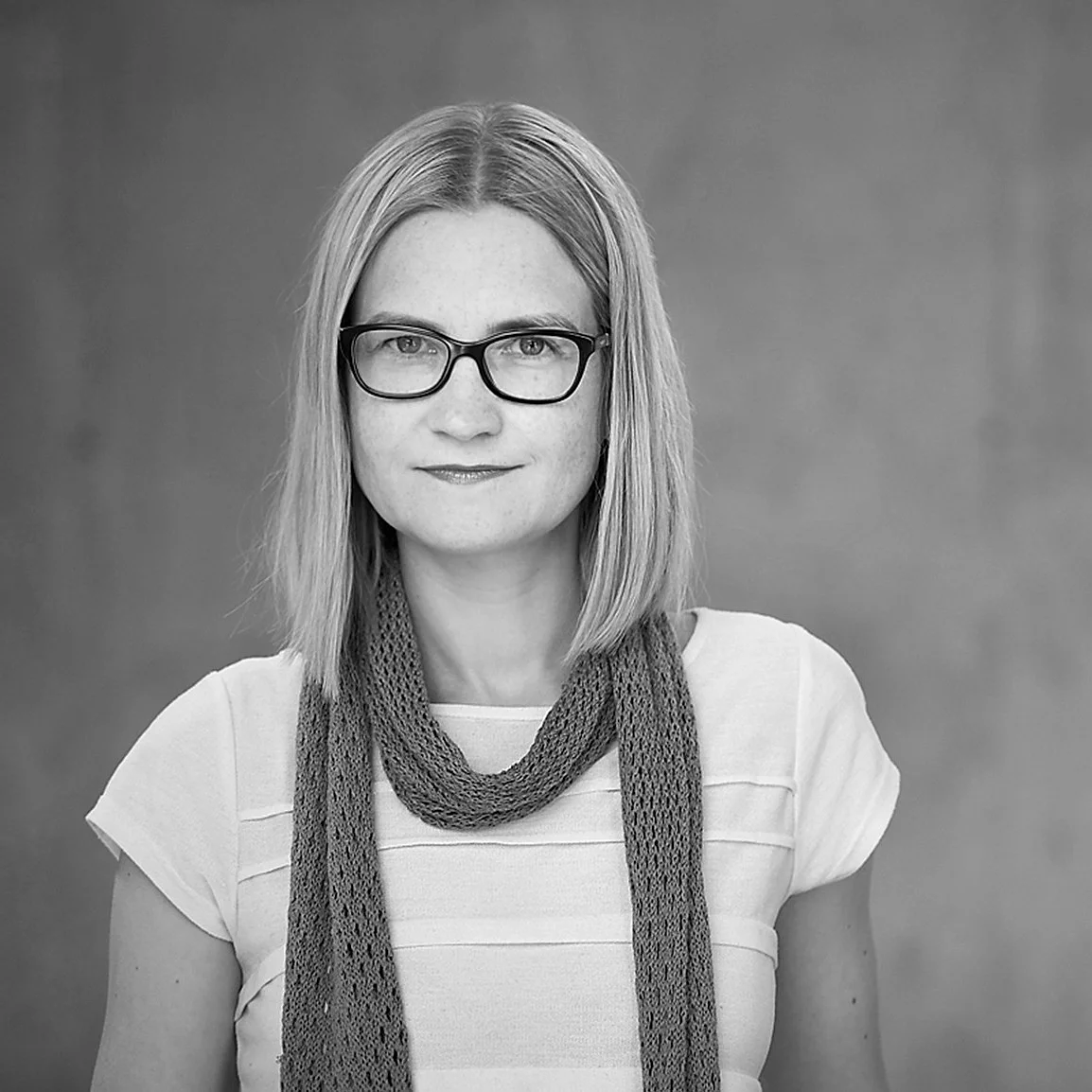
Liisi Keedus
Liisi Keedus is Professor of Political Philosophy at Tallinn University. Her research explores how time, history, and political imagination have been rethought in moments of rupture and transformation, while she is particularly interested in how early twentieth-century critiques of progress, development, and historicism can illuminate contemporary struggles to reimagine political agency in the face of ecological crisis. She is the author of The Crisis of German Historicism: The Early Political Thought of Hannah Arendt and Leo Strauss (Cambridge University Press, 2015), and was the PI of an ERC Starting Grant (2018-2024) "Between the Times": Embattled Temporalities and Political Imagination in Interwar Europe.
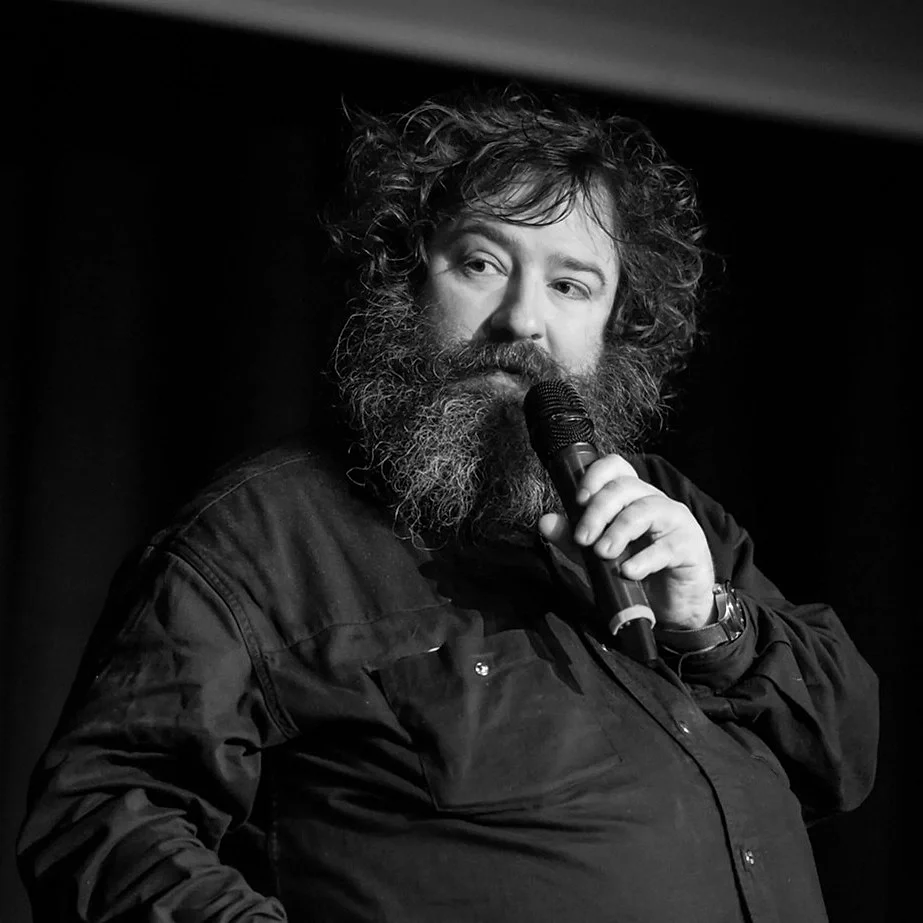
Márton Szentpéteri
Márton Szentpéteri is an intellectual historian and design critic, holds a PhD in Literary Studies (2005), has a Habilitation in Design Theory (2013). Between 1993 and 2002, he studied literary studies, linguistics, aesthetics, philosophy, and history at the Eötvös Loránd University (Budapest), Istituto Universitario Orientale (Naples; now: Università degli Studi di Napoli L’Orientale) and the Central European University (Budapest).
He was a Rolf und Ursula Schneider postgraduate fellow in the Herzog August Bibliothek, Wolfenbüttel (2001). After obtaining his PhD, he was a Junior Research Fellow at the Hungarian Academy of Sciences (2005-2009), a Mellon Fellow at the Netherlands Institute of Advanced Study for the Humanities and Social Sciences (2006-2007) and a Marie Curie Intra-European Fellow at the University of Oxford (2010-2011) where he also held a Plumer Fellowship in the St. Anne’s College and was a Senior Research Fellow of Modern European History Research Centre. Szentpéteri has been a full professor at the Moholy-Nagy University of Art and Design Budapest since 2018.
He leads the PhD in Design Culture Studies programme of the university. His main interests lie in early modern intellectual and cultural history, and modern and contemporary design culture.
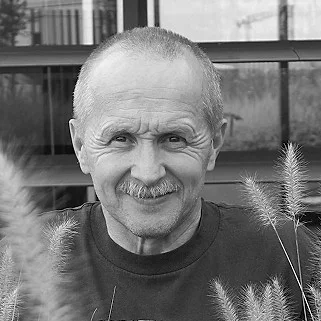
Prof. László Pintér
Prof. László Pintér has over three decades of international experience in sustainable development, with research spanning governance and strategy, progress measurement and reporting, as well as scenarios and transition pathways, often focused on natural resources. He has been deeply engaged with the UN’s Global Environment Outlook since its inception, serving as Coordinating Lead Author for multiple assessments, and has led or contributed to major international projects on the SDGs, climate adaptation, and nature-based solutions (e.g. ASEF, NATURVATION, IMPRESSIONS). He co-founded or chaired several sustainability initiatives, including INFASA, PEG, and CSIN, and played a key role in developing the Bellagio Sustainability Assessment and Measurement Principles (BellagioSTAMP). Over his career he has collaborated with organizations such as the World Bank, OECD, UNEP, UNDP, and the European Environment Agency, while also engaging with Canadian federal and provincial institutions. Prior to joining CEU in 2010, where he is Professor and has been Head of the Department of Environmental Sciences and Policy until 2022, he spent 16 years at the International Institute for Sustainable Development (IISD) in Canada, directing its Measurement and Assessment Program. He is also Senior Fellow at IISD and Honorary Professor at the University of Pannonia.
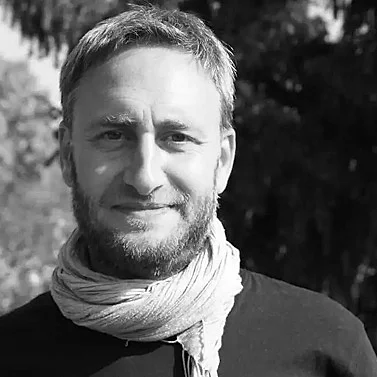
Vincent Liegey
Vincent Liegey is an engineer, interdisciplinary researcher, consultant and lecturer on degrowth, post-growth, ecological economics, and related topics. He is the co-author of several books on Degrowth including Exploring Degrowth: A Critical Guide (Plutot Press, 2020) and Sobriété (La Vraie): Mode d'emploi (Tana Editions, 2023), Décroissance, Fake or Not (Tana Editions, 2022), and Un Projet de Décroissance (Editions Utopia, 2013), and co-editor of the Routledge handbook of Degrowth. He is also the coordinator of Cargonomia — a center for research and experimentation on degrowth and social cooperative for sustainable logistical solutions and local food distribution using cargo-bikes in Budapest. He is the coordinator of the International Degrowth Conferences and the French Observatory on Degrowth and Post-Growth.
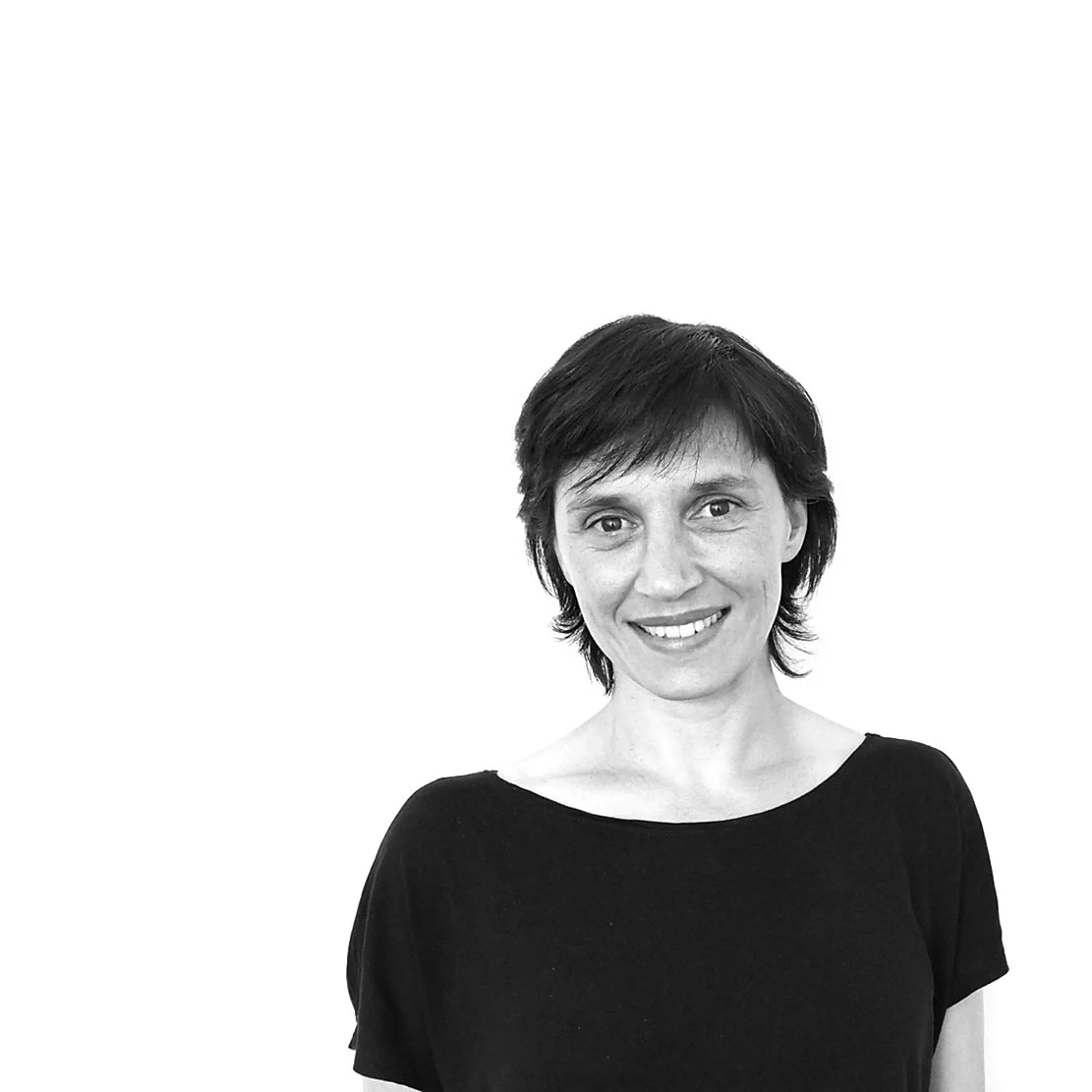
Verónica Sánchez Carrera PhD
n’UNDO representative
n’UNDO is an organization that works to build the future of cities and territories from the point of view of not doing, redoing and undoing.
It involves subtraction as a means of improvement. It values absence and preexistence over construction and materiality; repairing, cleaning, and recovering to enhance the landscape, territory, and city, working with time and uncertainty. It acts through the non-construction of proposals or interventions that are not relevant; the reuse of infrastructures and buildings; the minimization of elements with harmful impact, and the dismantling of harmful or dispensable elements. It operates through a PROactive NO, avoiding the unnecessary; reusing and valuing urban and natural heritage; reducing excess, and dismantling to reclaim common space.
The work of n'UNDO is based on criteria of equity and sustainability, employing a multisectoral analysis to address the complexity of processes and facilitating participation as an essential axis of the working method. n'UNDO operates within an intervention model that contributes to genuinely sustainable development: social, economic, cultural, and environmental, aligning with the Sustainable Development Goals (SDGs).
Since its inception, n’UNDO’s works has been recognised with numerous national and international awards and mentions, particularly for Plan n’UNDO, an urban decision-making tool which has been applied successfully in different contexts and scales.
Each of n’UNDO’s interventions aims to demonstrate that architecture and urbanism can be done differently..
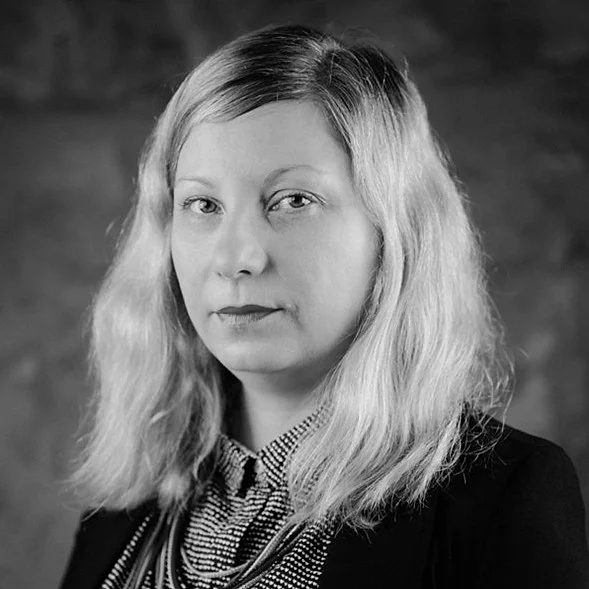
Ivana Stepanović
Ivana Stepanović is a permanent research fellow at the Institute of Advanced Studies Kőszeg, and the Academic Coordinator at the UNESCO Chair for Cultural Heritage Management and Sustainability in Hungary. Her latest publications include From Patriotism to Transnationalism: Exploring Hashtag Narratives on Lithium Mining Protests in Serbia published by Cambridge Core and her book, Influencers, Online Alliances, and Reconciliation in Southeast Europe: #Balkans, was published by Routledge, and explores the role of social media in fostering reconciliation among post-war nations.
She holds a PhD in Anthropology from Faculty of Philosophy, University of Belgrade, Serbia, MA in Human Rights South-East Europe from University of Sarajevo, Bosnia and Herzegovina and University of Bologna, Italy and BA in Philosophy from Faculty of Philosophy, University of Belgrade, Serbia. Previously, she held a position of the permanent research fellow at the Institute of Criminological and Sociological Research in Belgrade, Serbia. She was also a lecturer at the University of Pannonia, Kőszeg Campus in Hungary. Her research activities focus on digital ethnography of AI and social media, online activism, and the impact of artificial intelligence on societies.
INTRODUCING THE ORGANIZERS
MOME’s multidisciplinary Doctoral School pursues its activities in three design and art disciplines and one scientific discipline building on the coherence and interdisciplinary collaboration of the four disciplines. The MOME Doctoral School places the research and the professional fields it covers in the context of basic and applied research, development, and innovation in collaboration with other national and international academic institutions, market players, and social organisations.
The Sustainable Systems Research Group was established within the MOME Doctoral School to support the work of sustainability-oriented researchers by identifying common ground between their respective fields and areas of study. The group proudly takes its name from Donella Meadows’ renowned lecture, emphasizing that multidisciplinarity and systems thinking are essential to addressing the ecological and social crises impacting all of our disciplines. Through organizing the symposium on the spatial aspects of degrowth, we aim to create new knowledge, foster learning, produce collective output, share human resources, publish group research, and strengthen inter-institutional relationships.