Museums and Their Communities – International Symposium
The Non-Formal and Informal Learning Studio of MOME invites, for the second time, curators, museum educators, and communication specialists working in museums, as well as the wider professional audience to join a symposium dedicated to exchange and discussion. In 2024, our symposium Who Cares about Visitors? initiated a professional dialogue on museum visitors, sparking considerable interest. We now continue that dialogue with a focus on museum communities.
Throughout the day, international and Hungarian speakers will share their own experience, in English in the morning and in Hungarian in the afternoon. Following the lectures, the afternoon workshop will explore the possibilities of engaging a specific (potential) visitor community.
Today, collaboration between museums and special communities is widely regarded as essential rather than optional. The Smithsonian Institution organised the first conference on a similar topic nearly 30 years ago, while the widely-cited volume edited by Sheila Watson clarifying theoretical questions and presenting case studies, was published almost 2 decades ago. Since then, interest in museum communities, the social role of museums and their sustainability has continued to grow.
The (potential) visitors museums aim to reach can be characterised by diverse identities shaped by interests, demographics (age, gender, marital status, place of residence, occupation), socio-economic status, ethnicity, and cultural and educational background. They may also include individuals with special physical, sensory or cognitive needs. Visitor categories can be further expanded, for example, based on directly lived historical experiences. New phenomena of our time, such as the disappearance of traditional professions and local activities, rural depopulation, changes in family patterns, and the leisure and cultural consumption habits of the internet generations – continue to redefine the social landscape in which museums operate.
At our symposium, we will seek to answer to the following questions:
● Who does a museum regard as its community in the short and long term?
● How can museums reach those who have never visited one?
● Which exhibition and communication strategies are capable of reaching particular communities?
● How can the traditional passive visitor role give way to participatory cooperation?
● How can visitors be involved in collection development, exhibition design or even everyday museum practice without compromising professional credibility?
● How can the different – even conflicting – community needs and interpretations be handled responsibly?
● What does ethical institutional engagement mean today – independent of political interests or critically responsive to them – and how can this be made transparent?
● How can museums strengthen their communities and contribute to social well-being?
● What methods can be used to measure the engagement of communities while respecting visitors’ personal rights?
Program
Speaker: Łukasz Adamski (Deputy Director, Zachęta – National Gallery of Art, Warsaw)
This keynote reflects on the experience of the Silesian Museum as a regional institution re-established in a post-industrial context marked by social change, loss of identity, and economic decline. Based on my experience as the Director’s Plenipotentiary, I will discuss how the museum shaped narratives of belonging by moving beyond grand historical frameworks toward locally rooted, community-driven storytelling. Through examples such as Zajawka—a co-created exhibition on the history of Upper Silesian hip hop—international collaborations with artists including Mirosław Bałka, Chiharu Shiota, and Dani Karavan, and the participatory campaign Our Museum, the talk explores how regional museums can function as spaces of shared memory, civic engagement, and cultural relevance.
Speaker: Dr. Sebastian Baden, Schirn Kunsthalle Frankfurt
The Schirn Kunsthalle Frankfurt was inaugurated in 1986 and is an institution for international contemporary and modern art. As an art museum without its own collection, our focus is on special exhibitions on relevant contemporary topics, rediscoveries in the history of art since the 19th century, and feminist and diversity-oriented perspectives. The Schirn Kunsthalle carries out extensive educational work for these exhibitions. The lecture will present our art education program and its highlights.
With the move from Römerberg in Frankfurt to the Bockenheim district and into temporary quarters during renovation of the main Kunsthalle, the Schirn has further intensified its educational work, strengthened its outreach, expanded its support programs, and broadened its offerings for different generations. This allows us to reach new communities for visiting our art exhibitions.
Speaker: Dr. Sonja Kinzler (Museum director, Kieler Stadt und Schifffahrtsmuseum)
Kiel's historical museum has taken first steps into the fields of participation and audience development. This presentation will give insights into an interactive exhibition about the future of the museum that consulted its visitors about their expectations and experiences; it presented questions instead of objects. What did the museum learn from and about its visitors (and non-visitors)? A comparison of the exhibition's results to those of a visitor survey (as a more established approach) and of other methods invites to discuss their respective (dis-) advantages.
Speakers: Rita Dabi-Farkas and Viktória Popovics (Ludwig Museum, Budapest)
The social role of museums and their relationship with communities are constantly evolving. ICOM's periodically revised definitions of museums increasingly emphasise open, inclusive, acceptance-based, community-oriented institutional models. In 2020, the Ludwig Museum was awarded the title of Community Museum, a recognition it has since strengthened through conscious curatorial and museum education initiatives.
With the exhibitions Vigyázat törékeny. Handle with Care (2023–2024) and Golden Repair – Finom illesztések (2025–2026), the curators set out to connect with local communities and adopt an active approach to reflecting on and mitigating social inequalities. The museum’s collaborations with civil society organisations, educational and social institutions enables it to reach and engage new audiences, reinforcing the institution's inclusive role.
In their presentation, the curators consider how the idea of a "museum open to all" can become a real-life experience. What makes people with limited access to culture due to social, intellectual, or physical barriers feel genuinely welcome? How can the physical spaces and conceptual frameworks of museums be made to feel comfortable and welcoming? And how can museum audiences be transformed into a community with lasting ties?
Speaker: István Tamás (Józsefváros' Museum, Budapest)
The presentation outlines the process of establishing the Józsefváros Museum and its community-based operation how a contemporary, open city museum was created at the intersection of the district's past and present. It explores how the practices of collecting, research, exhibition-making, and museum education took shape through the involvement of local communities and grounded in their experiences. The talk also covers the development of the museum's collection based on the memories and material heritage of the people living in Józsefváros, the role of participatory exhibitions and activities, and the museum’s potential to become a shared space for reflection and social dialogue. The example of the Józsefváros Museum illustrates how an institution can safeguard a district's past while actively shaping its present.
Speakers: Gabriella György, Tünde Sütő, (Ferenczy Museum Center, Szentendre) Emese Klug, Olivér Kukla (Student curators)
The student curator programme at the Ferenczy Museum Center in Szentendre concluded in May 2024 with an exhibition integrated into, and complementing, the museum's permanent fine art exhibition. Over the course of a year, eight students aged 13–18 explored the museum's contemporary collection and the professions that support its work through various online and in-person training sessions, then went on to independently organise a joint.
The presentation focuses on the role of museum educators as facilitators, the repeated redesign of the project, the formation of the community, and methodological challenges.
Organisers
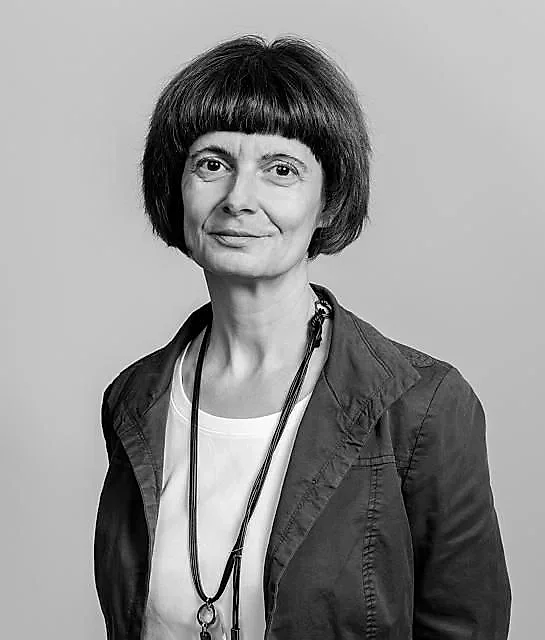
Judit Bényei is an associate professor and the head of the MOME Design and Visual Art teacher training MA programme. Aside from teacher training, she teaches at the Doctoral School, and runs courses based on a theoretical and integrated approach. She takes part in Hungarian and international MOME projects.
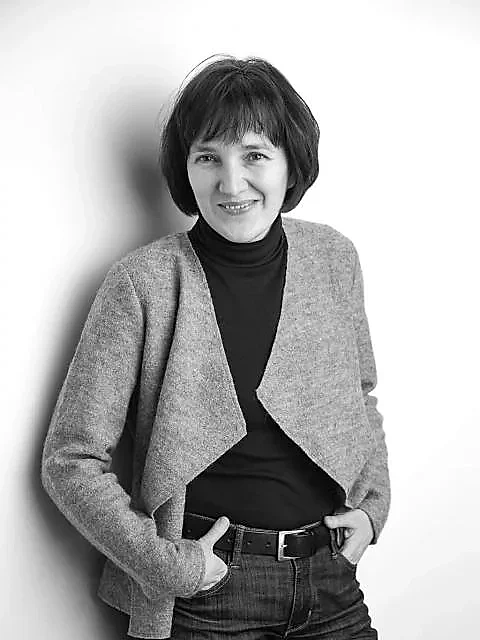
Art historian, associate professor, programme lead.
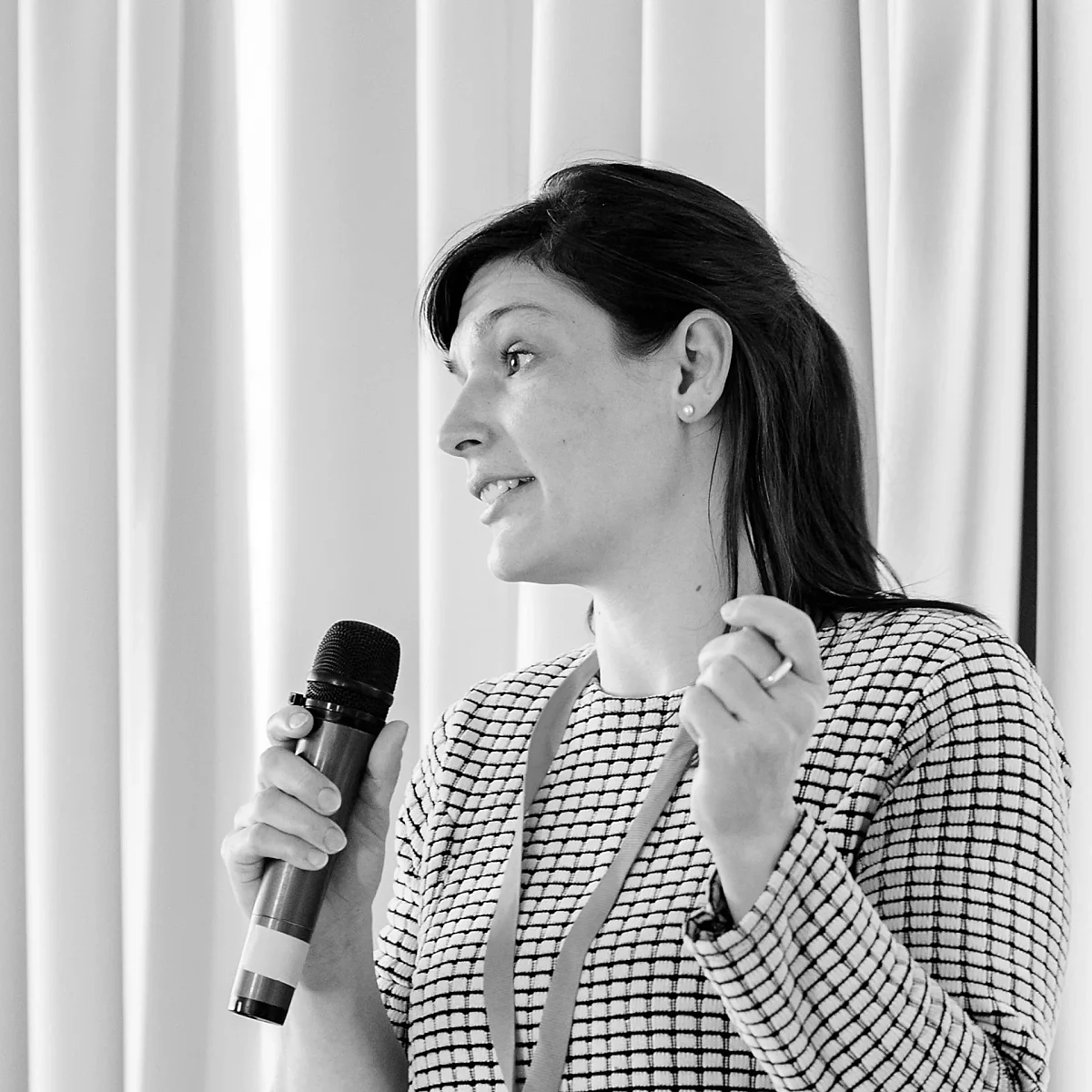
She is interested in children’s curiosity and the role of emotions in learning, and she likes to think on a social scale. She prefers to consider human relationships as dynamically changing relations between learners and educators. This is why she sets great store by collaborative systems, the principle of focusing on the student, and methodologies for the development of digital skills, especially in the arts. These convictions were decisive in her choice to specialise in art history at the MOME Doctoral School, where her supervisor is Dr Zsófia Ruttkay.
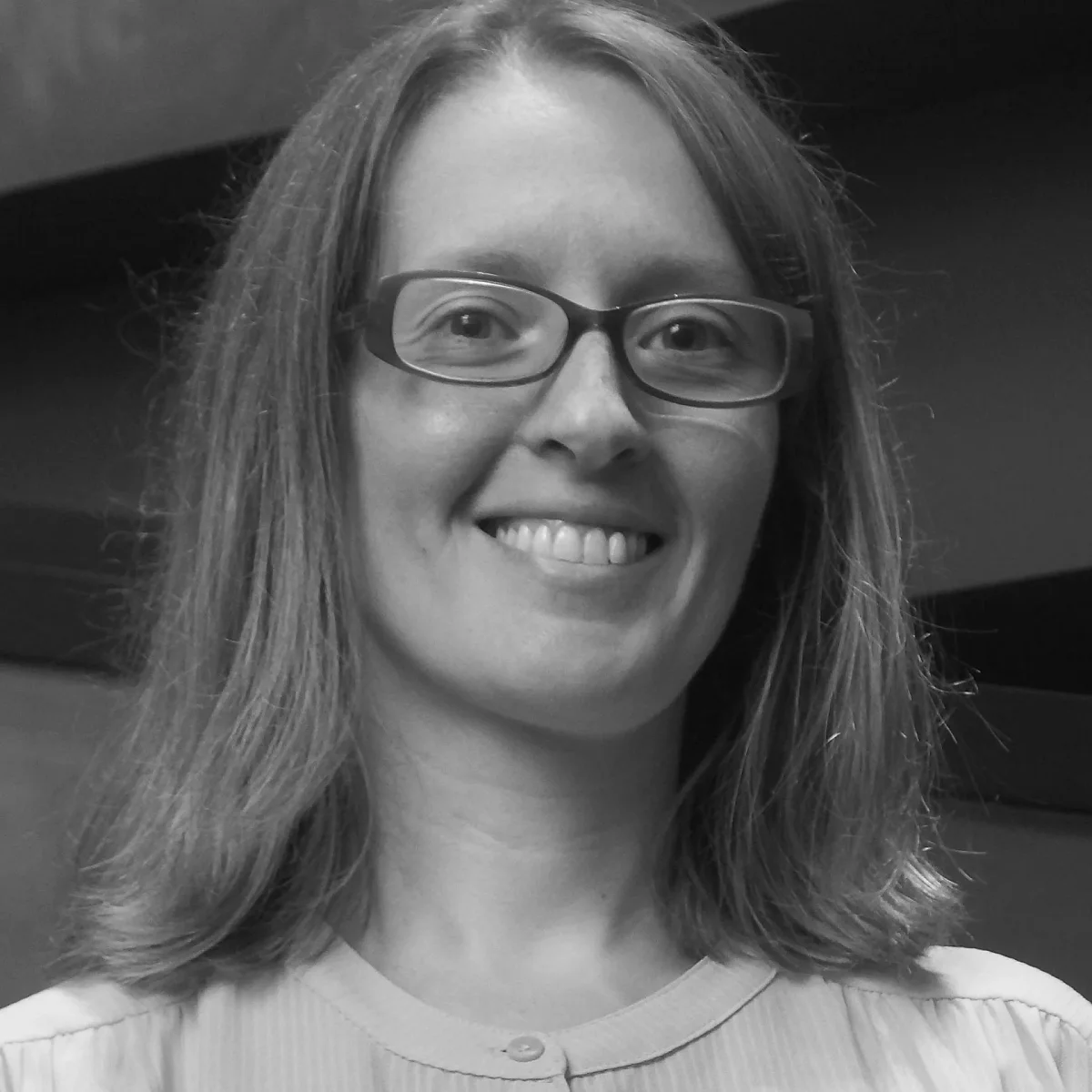
Ágnes Mácsai is a doctoral student at the MOME Doctoral school. She teaches at the Art and Design Management MA programme of MOME, and she is also a member of the University’s Nonformal and Informal Learning Studio.
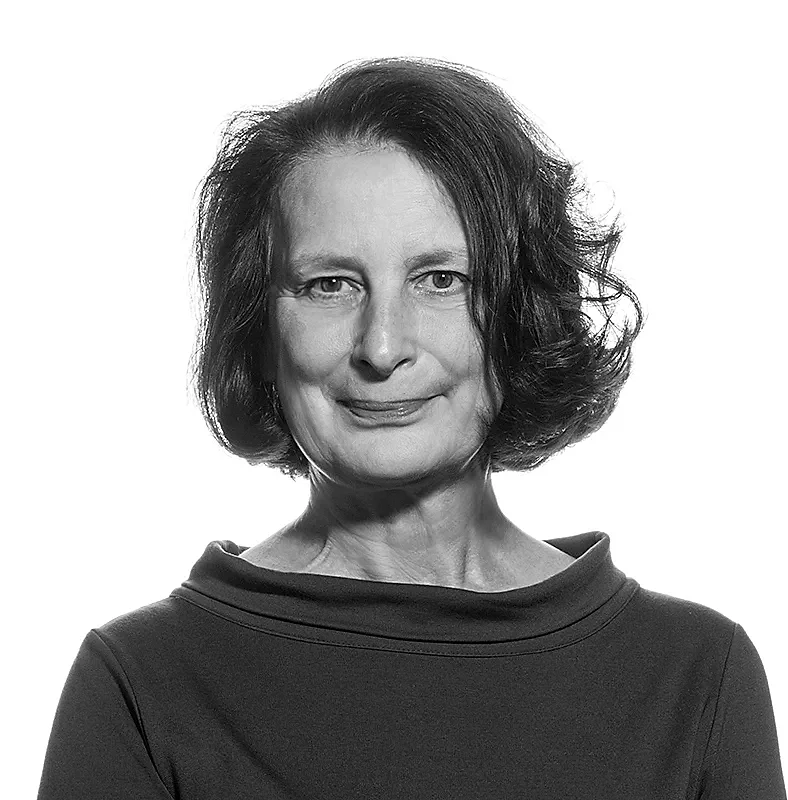
She is a mathematician and researcher of computer graphics and artificial intelligence. In 2009, she founded the TechLab at MOME, where she carried out research and development in the use of interactive books and digital technology in museums.
International speakers
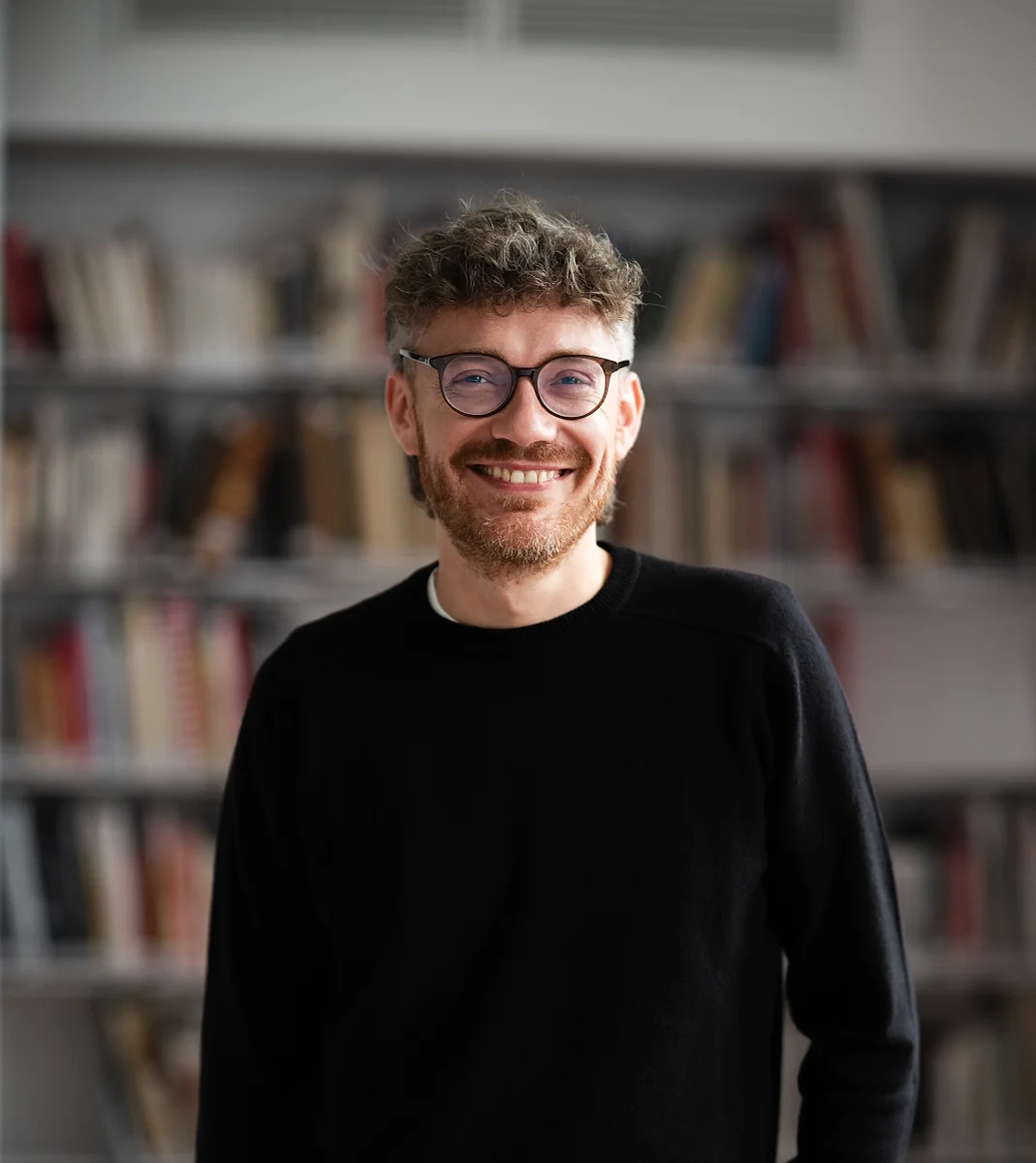
Łukasz Adamski
Łukasz Adamski, Deputy Director, Zachęta – National Gallery of Art
With over 14 years of experience in the cultural sector, Łukasz Adamski has worked across some of Poland’s most important cultural institutions, combining strategic leadership with hands-on project development. As a member of the core team at the POLIN Museum in Warsaw, he coordinated the production of the award-winning core exhibition and contributed to the museum’s international collaborations and long-term strategy.
He later co-curated the first edition of the Digital Cultures conference at the Adam Mickiewicz Institute and served for nearly four years as the Director’s Representative at the Silesian Museum in Katowice, overseeing education, exhibitions, artistic programming, and communication. He has also collaborated with the New Horizons Association on major international film festivals and, since 2022, has worked with the SEXEDPL Foundation, becoming Chief Operating Officer in 2024.
As of January 2025, he is Deputy Director of Zachęta – National Gallery of Art, focusing on developing inclusive, innovative, and audience-centered programmes.
Photo: Kuba Celej
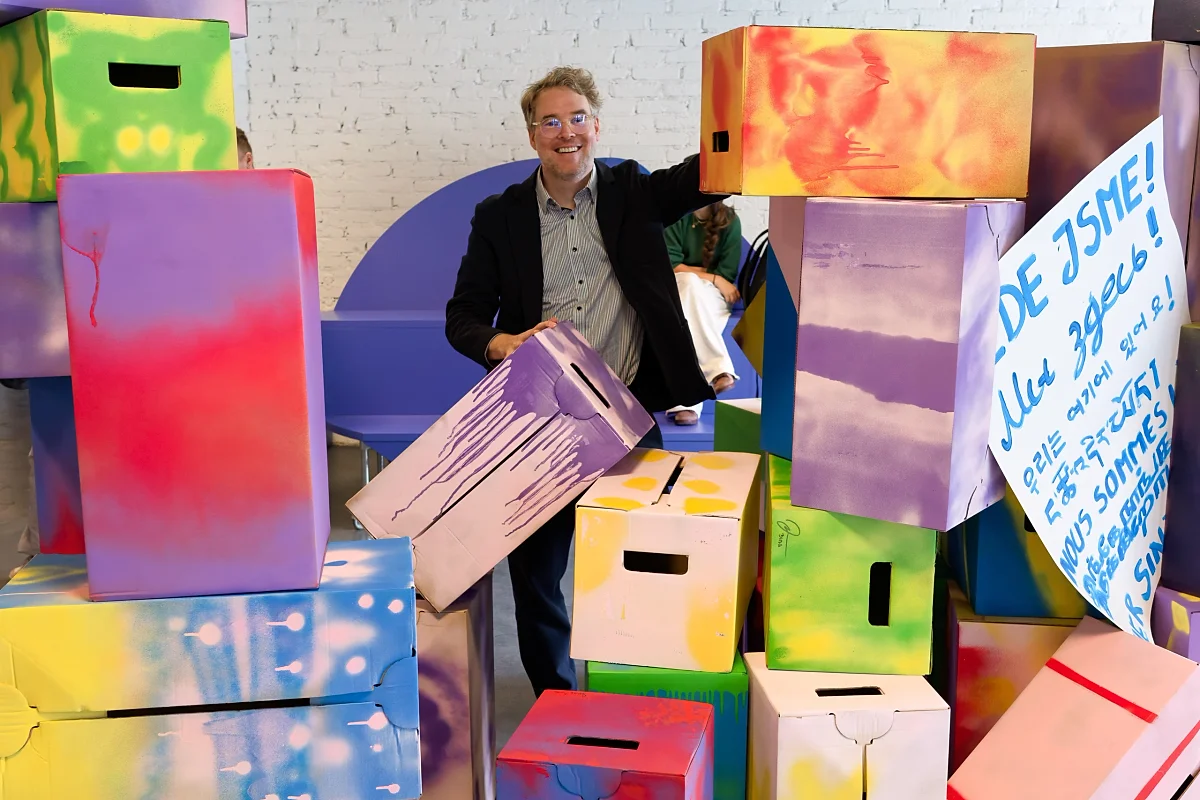
Sebastian Baden
Dr. Sebastian Baden has been director of the Schirn Kunsthalle Frankfurt since July 2022. Prior to that, he was curator of contemporary art and sculpture at the Kunsthalle Mannheim from 2016. He studied art education at the State Academy of Fine Arts in Karlsruhe and literature at KIT (Karlsruhe Institute of Technology), as well as fine arts at the Bern University of the Arts (HKB). He was a scholarship holder in the post-graduate research programme college “Images–-Bodies–-Media: An Anthropological Perspective” at the Karlsruhe University of Arts and Design (HfG). He also worked taught as a research assistant to Prof. Dr. Beat Wyss in the Department of Art History and Media Theory at the HfG Karlsruhe. In 2017, his doctoral thesis entitled “The Image of Terrorism in the Art System” was published. In 2013, he was awarded the international AICA Prize for Young Art Criticism. His research to date has focused on the history of modern art exhibitions and artistic institutional criticism in relation toconnection with the art market, political iconology, and art education.
photo Credit: © Schirn Kunsthalle Frankfurt 2025, Foto: Dirk Ostermeyer
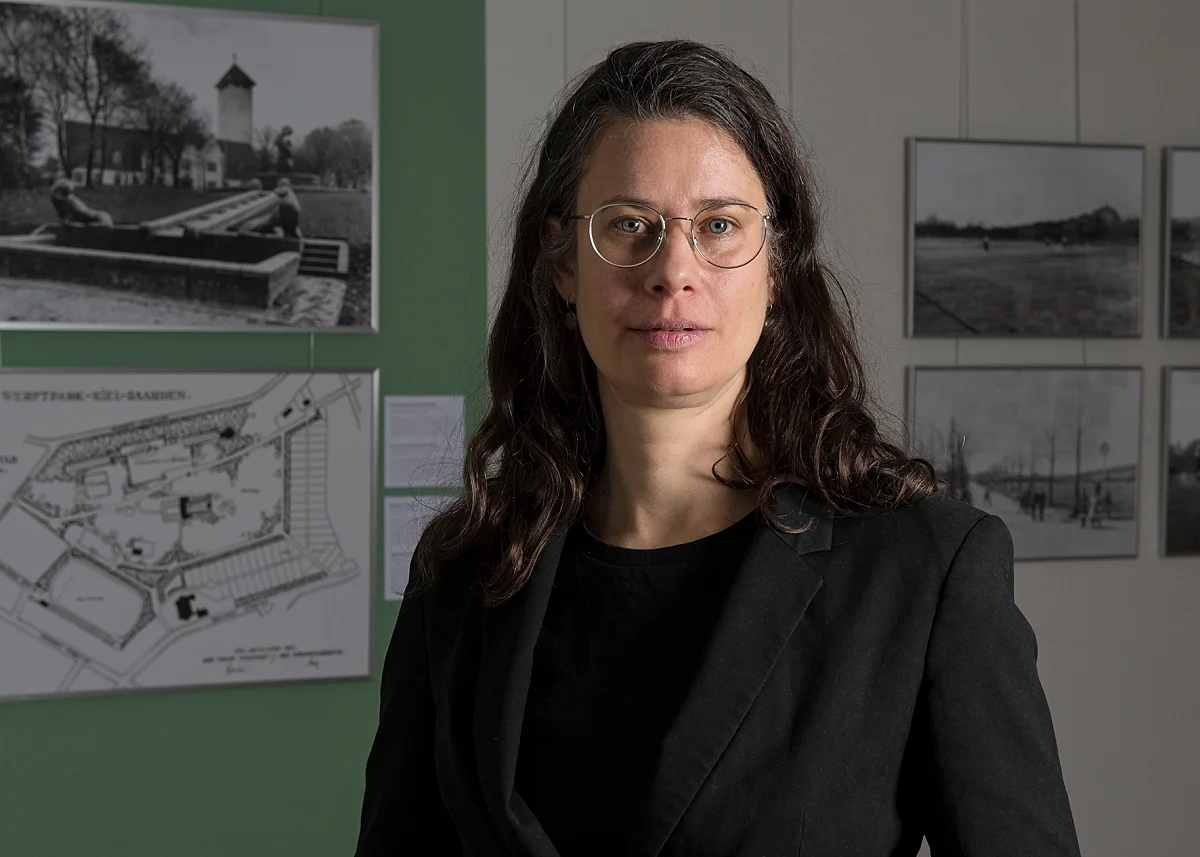
Sonja Kinzler
After studying history in Munich and Málaga, Sonja Kinzler completed her doctoral thesis on the history of sleep at the International University Bremen in 2005, followed by a traineeship at the Kieler Stadt- und Schifffahrtsmuseum. In 2009, she founded the exhibition agency 'RETROKONZEPTE. Historische Forschung und Kommunikation' in Bremen. She produces exhibitions (and publications) in Germany and across Europe, and has held temporary teaching assignments at the University of Bremen. She has been Director of the Kieler Stadt- und Schifffahrtsmuseum since 2022.
Hungarian speakers
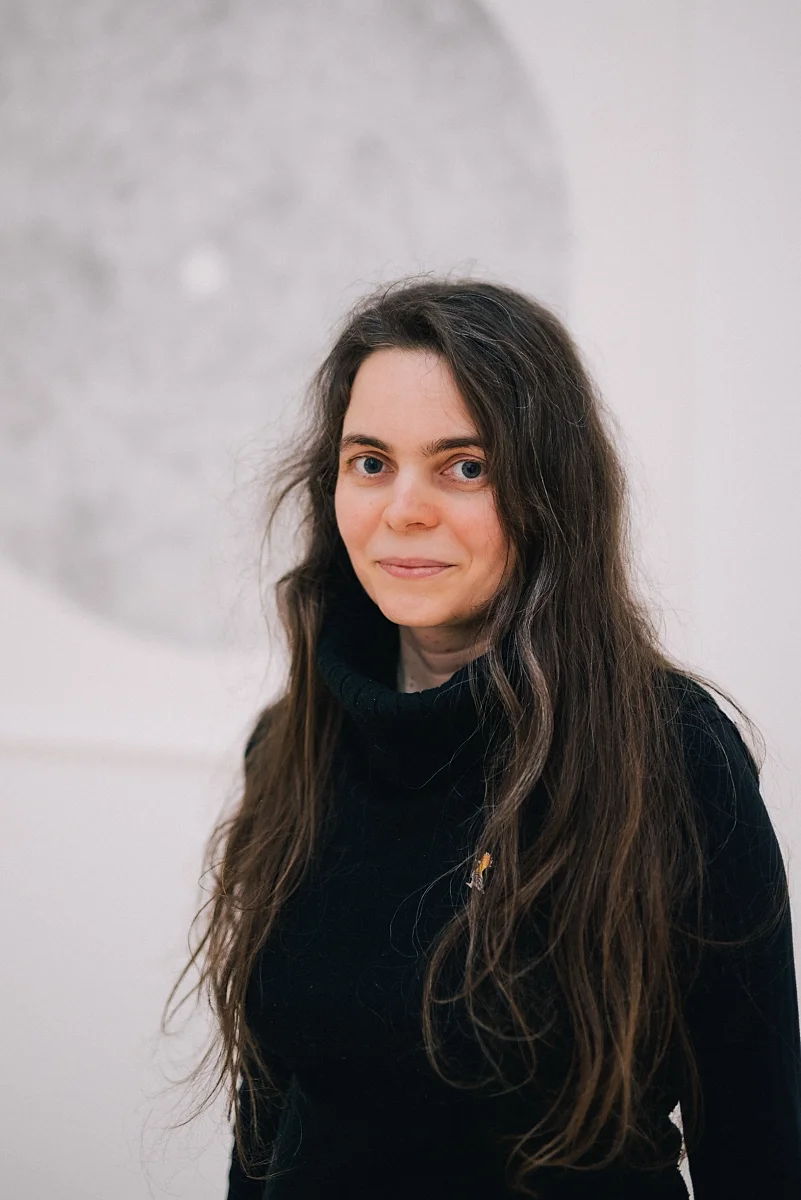
Rita Dabi-Farkas
Museum educator, visual artist, MOKK coordinator, Budapest
Rita Dabi-Farkas graduated from the Hungarian University of Fine Arts with a degree in intermedia, painting, and teaching. She has been working as a museum educator at the Ludwig Museum – Museum of Contemporary Art since 2003. One of her main areas of focus is welcoming disadvantaged people to museums. She organises programmes, conducts research, and produces publications on this topic (Esélyt a múzeummal [A Chance with the Museum], Akadálytalan alkotás [Barrier-Free Creation], Vigyázat törékeny [Handle with Care] exhibition catalogue), as well as continuing education courses and lectures for museum professionals. She has curated/co-curated three exhibitions on this subject. (Sensitive Spaces – Exhibition Without Barriers, MANK Gallery; Handle with Care; and Golden Repair – Delicate Joints, Ludwig Museum).
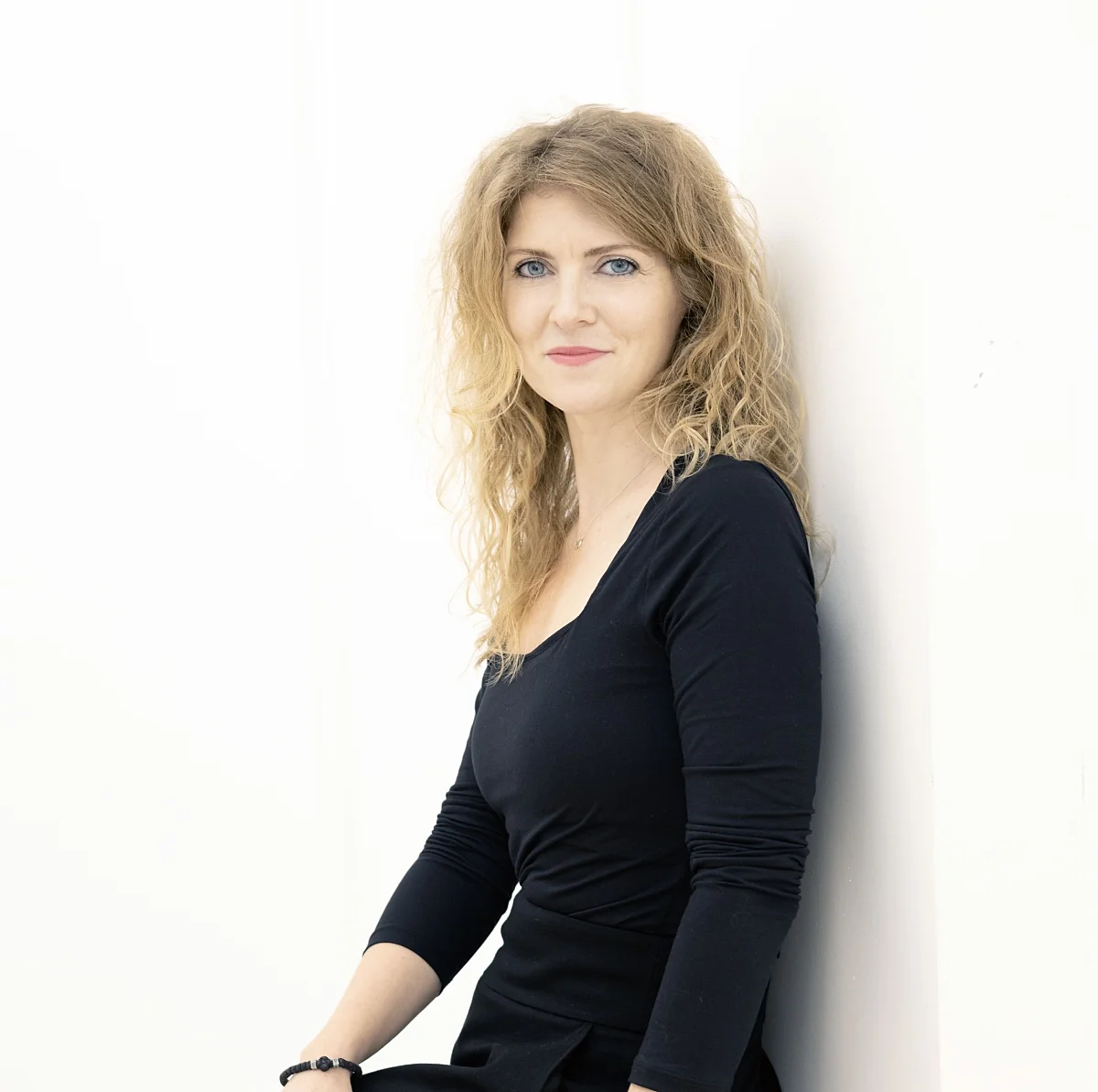
Viktória Popovics
Viktoria Popovics is an experienced museum curator, having worked at the Ludwig Museum – Museum of Contemporary Art in Budapest for over a decade. As an art historian, she has curated and co-curated numerous international exhibitions and has worked extensively on collection development, new acquisitions, and commissions. Her curatorial project Handle with CARE received the AICA Award for Best Curatorial Project of 2023 in Hungary. Her latest exhibition Golden Repair explored themes of healing and repair from social, political, ecological, and psychological perspectives. Her work is influenced by the principles of new museology, as well as feminist and decolonial theories. In 2025, she was a Fellow of the MuseumsLab programme supported by DAAD. Between 2021 and 2023, she was a member of the research group Narrating Art and Feminism: Eastern Europe and Latin America (Getty Foundation), and she was involved in the research project Secondary Archive. Platform for Women Artists from Central and Eastern Europe. She is also a member of CIMAM and AICA Hungary.
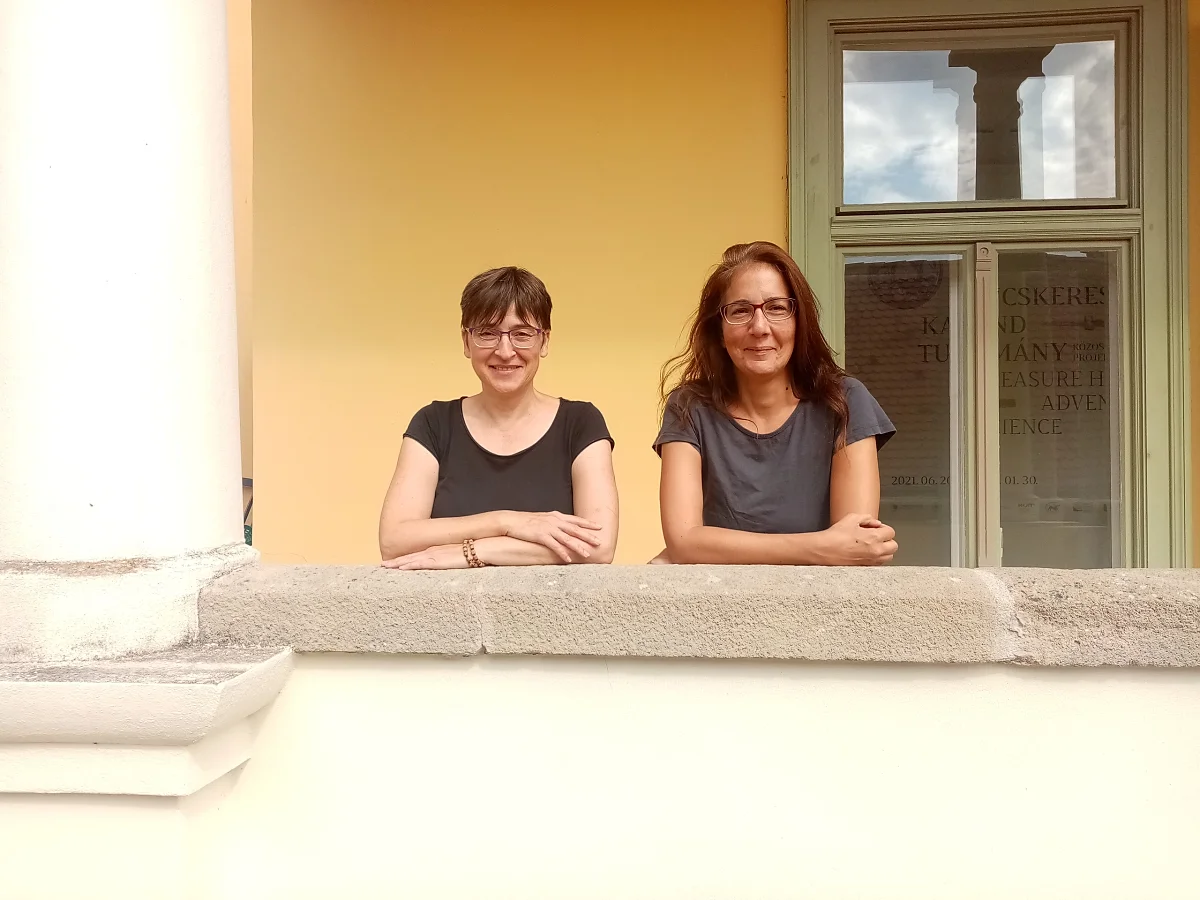
Tünde Sütő
Museum educator
Tünde Sütő has been involved in museum education for 18 years and has been working as a museum educator at the Ferenczy Museum Center since 2021. She previously gained experience teaching teenagers as a secondary school teacher. Storytelling, the use of drama-based methods, and the combination of art education and language teaching play a prominent role in her museum education practice. She is the author and editor of museum education materials and publications.
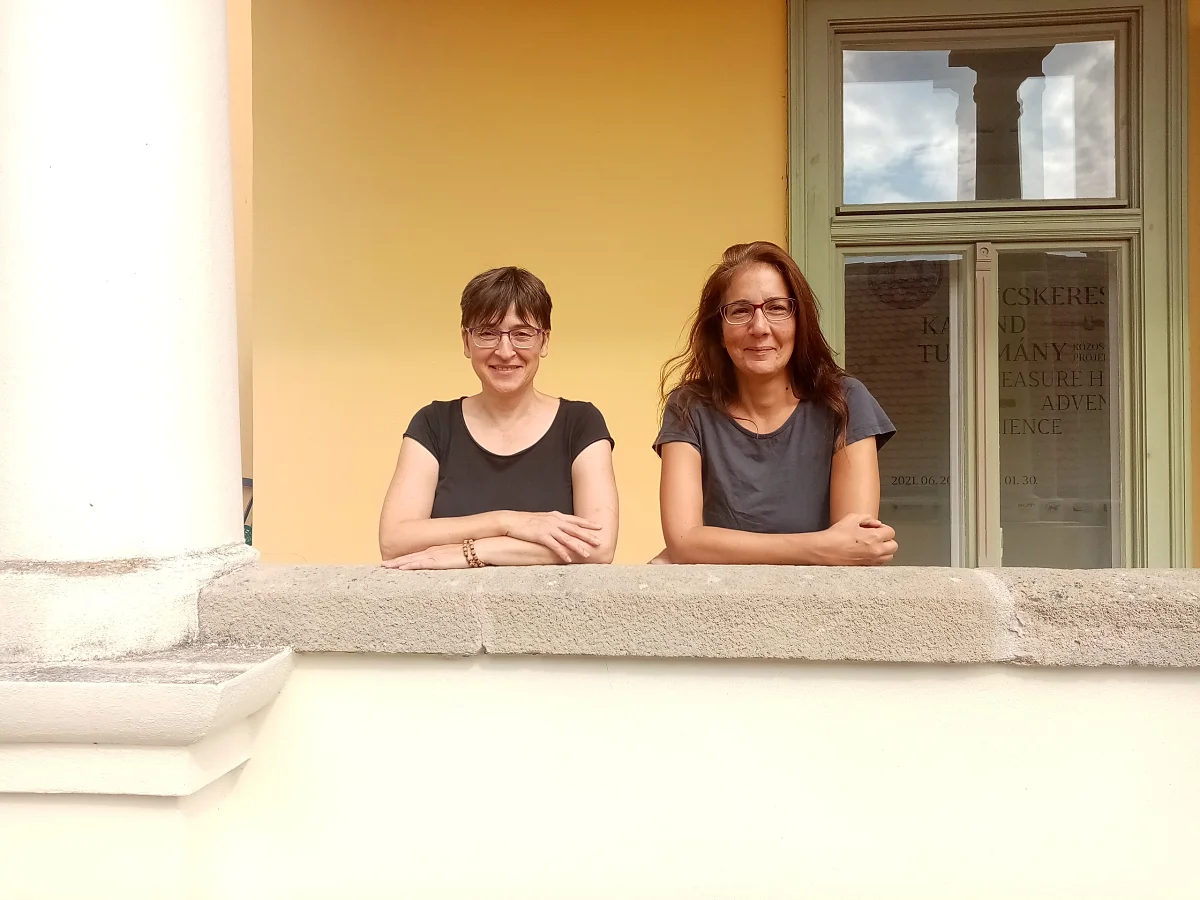
Gabriella György
Gabriella György has been working as a museum educator for 20 years. She began her career at the MODEM Modern and Contemporary Arts Centre in Debrecen, and she has been working at the Ferenczy Museum Center in Szentendre for more than 10 years. She focuses primarily on teaching contemporary and modern art. She leads museum classes for all age groups, from preschoolers to adults, as well as family and professional workshops, and teaches visual culture methodology as a lecturer at several universities. She is the author, editor, and graphic designer of museum education publications.
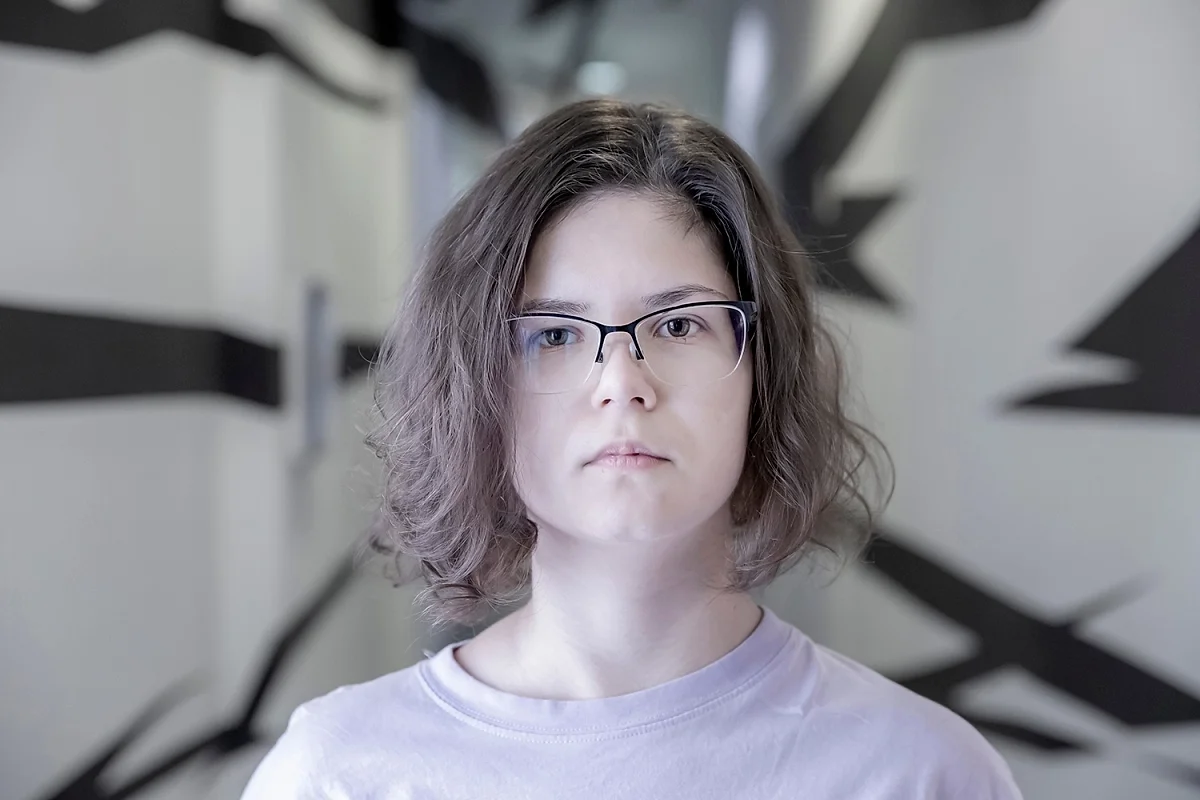
Emese Klug (student curator)
Photo: Balázs Deim (FMC)
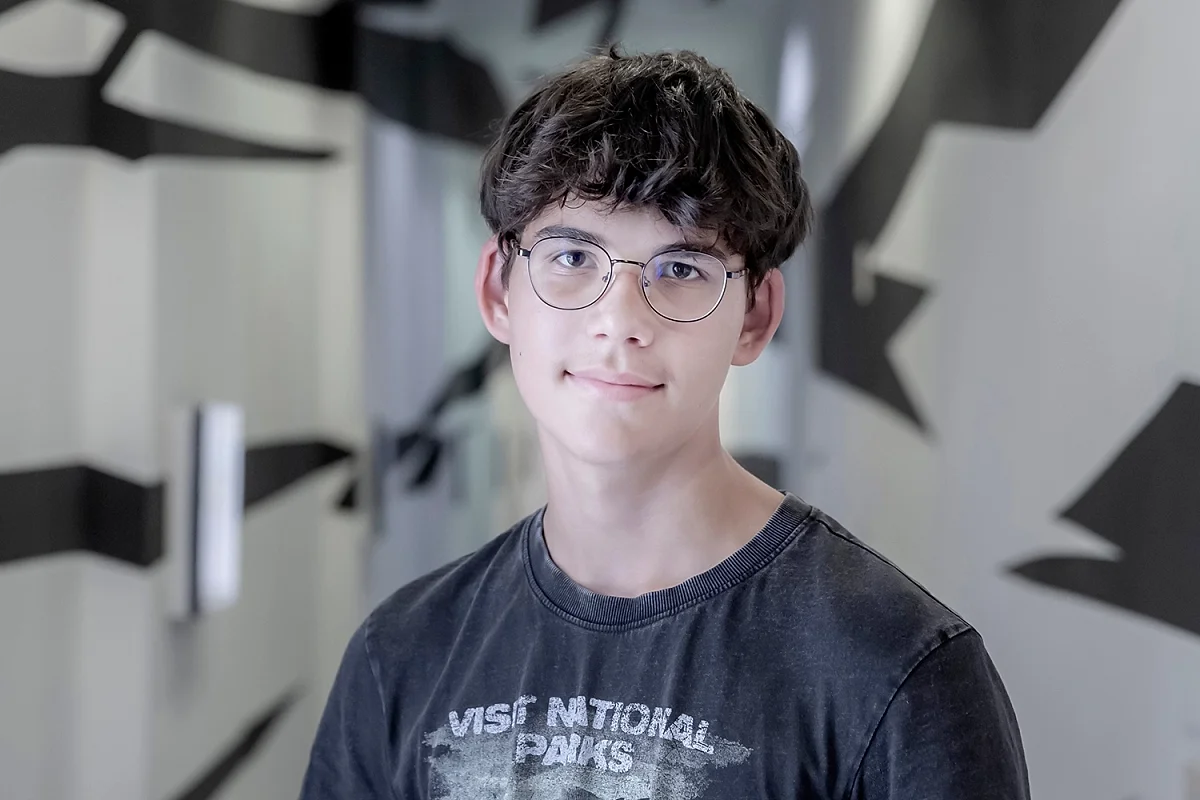
Olivér Kukla (student curator)
Photo: Balázs Deim (FMC)
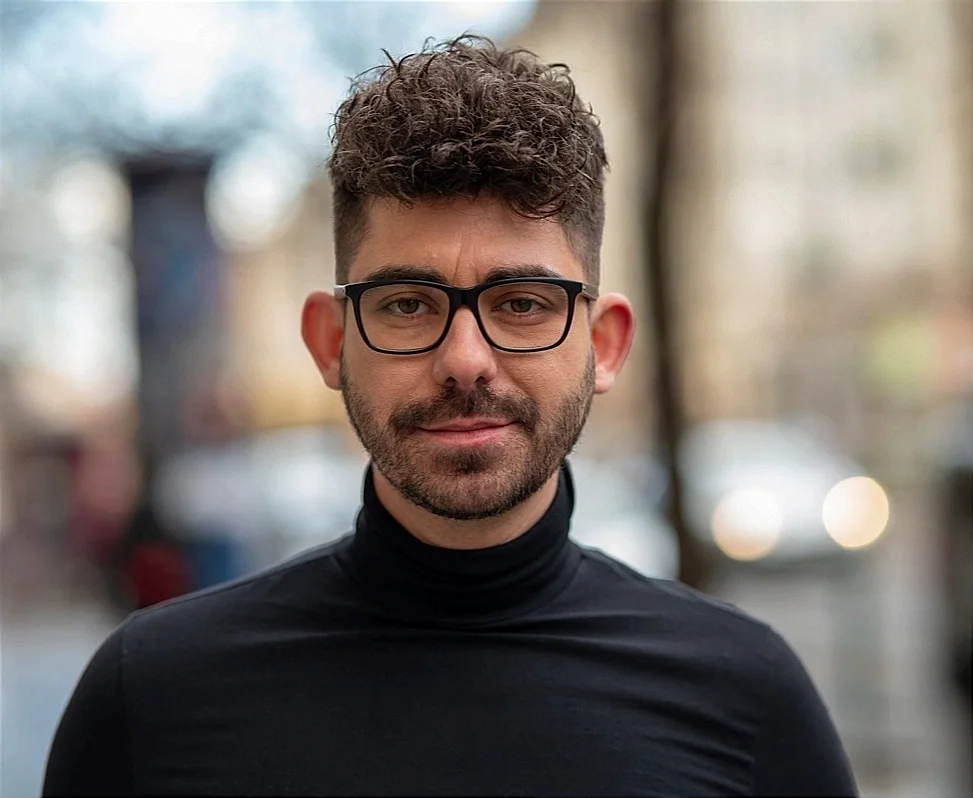
István Tamás
István Tamás is a cultural heritage professional and the founding director of the Józsefváros Museum. In 2022, he and his team launched a professional and institutional development process that led to the opening of Budapest's newest community-based, progressive museum, the Józsefváros Museum, in November 2024.