The future of the university, the university of the future
Over the past two years, experts from the University's University of the Future initiative have studied a number of the world's leading higher education institutions closely and, after completing the review, involved several outstanding foreign experts to design a distinctive art and design university that will exist only in Budapest, attracting the talents of Central Europe. The aim of developing this model is to ensure that MOME's education remains timeless, and that its graduates grow into empowered artists and designers, who, staying one step ahead of the present, are able to give relevant responses to the challenges of the complex world around us.
“What we create over the next few years under the new programme will have unprecedented legitimacy, giving us the opportunity to bring the process we have started in recent years with the model change – including a significant increase in salaries and scholarships, supporting disadvantaged talents, over 50 international lecturers every year, our unique commitment to sustainability on an international level, and other achievements – to completion also in terms of refreshing our education”, said President of the Foundation for the Moholy-Nagy University of Art and Design Gergely Böszörményi-Nagy.
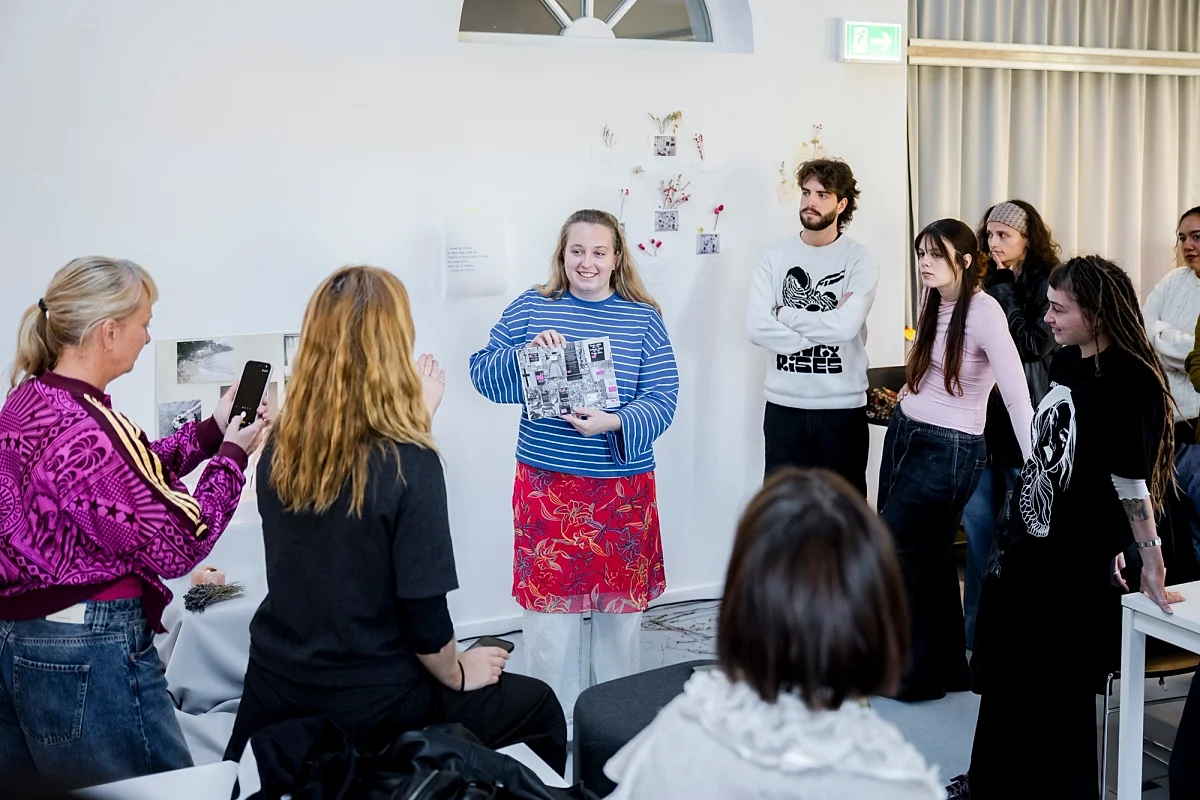
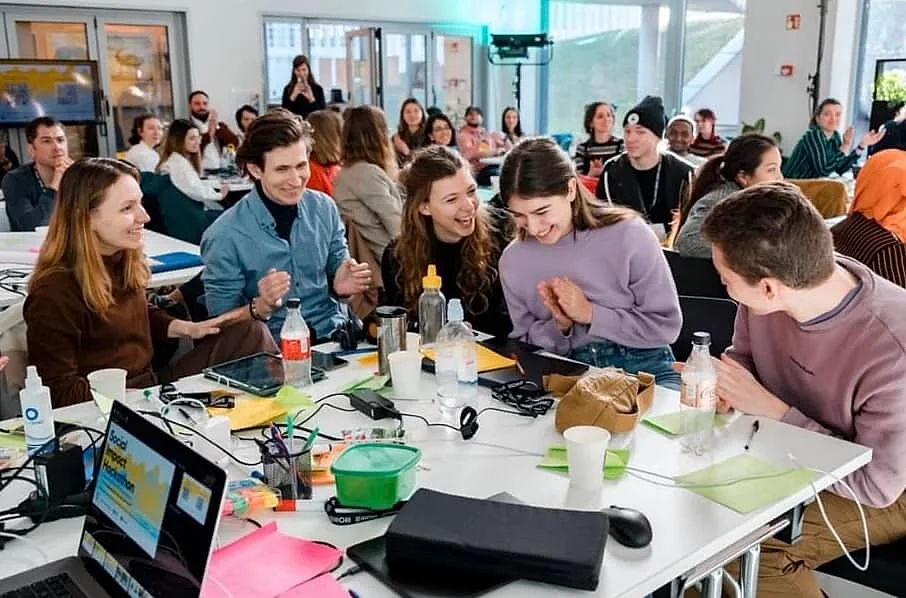
A number of new modules will be added to the undergraduate programmes, enabling students to study together, regardless of the degree they pursue, as they begin their studies, with the aim of learning to study, think, have conversations, and work in teams. In a return to the tradition of the first European universities, the initial foundation courses are designed to equip students with the basic philosophical and artistic knowledge they need to broaden their worldview and, through a solid set of values, to help them become citizens capable of intellectual self-determination and of understanding the complexities of the world. The challenges to be solved in a community, teamwork, and project work will play an important role in improving the dynamics of Master's programs. Students will work to solve the social and ecological problems facing humankind using the tools of art, design, and innovation.
Through MOME's refreshed adult training programmes, the knowledge accumulated will be made available to various people from different areas, whether distant or related. These essential skills are crucial for overcoming the challenges of the future and tackling complex problems. As part of the University of the Future initiative, three new schools will be established: one for the transmission of classical knowledge, one for exploring the future, and one for graduates wishing to learn and grow. At the same time, the University also remains focused on supporting the professional growth and career development of the MOME community, its teachers and researchers.

More news