Moholy-Nagy University of Art and Design
Heritage in Motion Lab
The lab explores cultural heritage at the intersection of design, technology, and emerging materials. Its research examines how AI can shape the future, accessibility, and understanding of cultural heritage, with a particular focus on Hungarian culture.
Alongside AI and digital heritage, the lab investigates materials, robotics, and Hungarian design heritage.
Through international collaborations with universities, research centers, and cultural institutions, it connects these fields through knowledge exchange, joint projects, and comparative research.
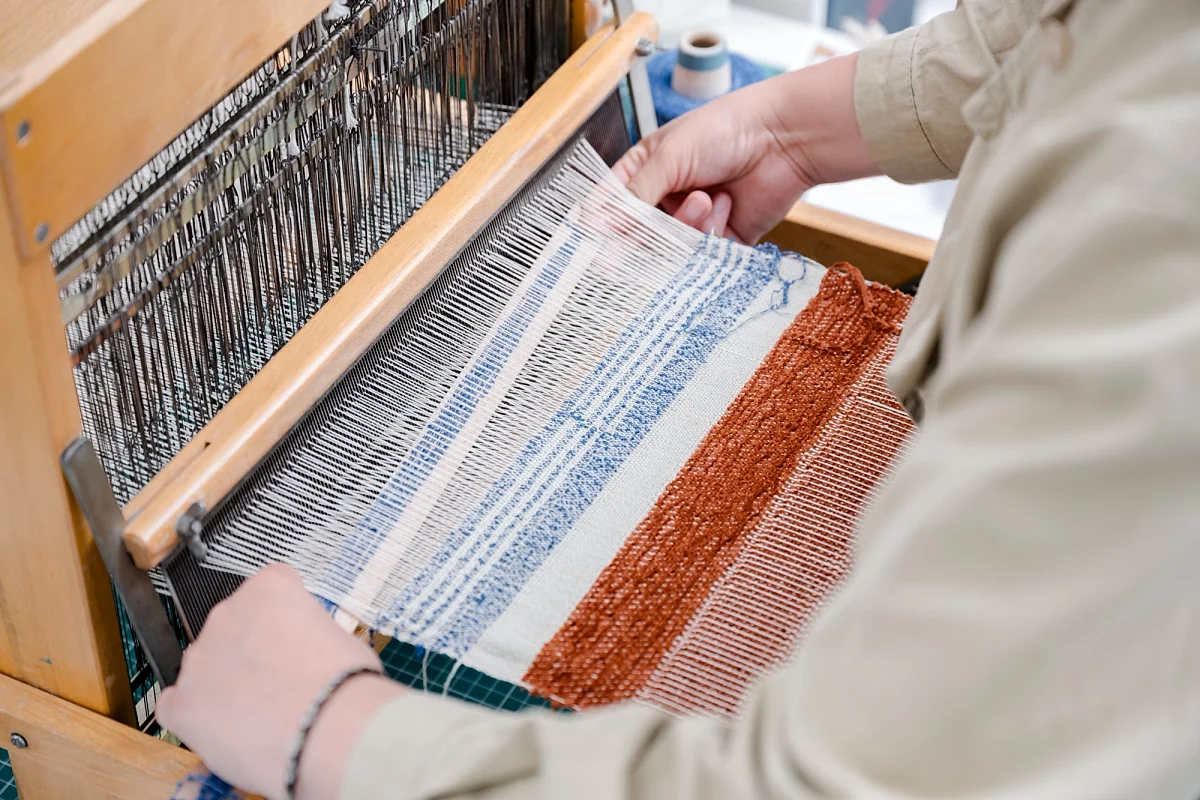
Through a variety of tools, from science, art, technology and sci-fiction, PillowTalk probes possible futures in which technology successfully interfaces with our dreaming minds, speculating what the consequences of this interaction might be at individual and societal levels.
Lab management

Researchers

Researcher
Researcher

Researcher

Researcher
Researcher
Research Assistant, Researcher


Labs
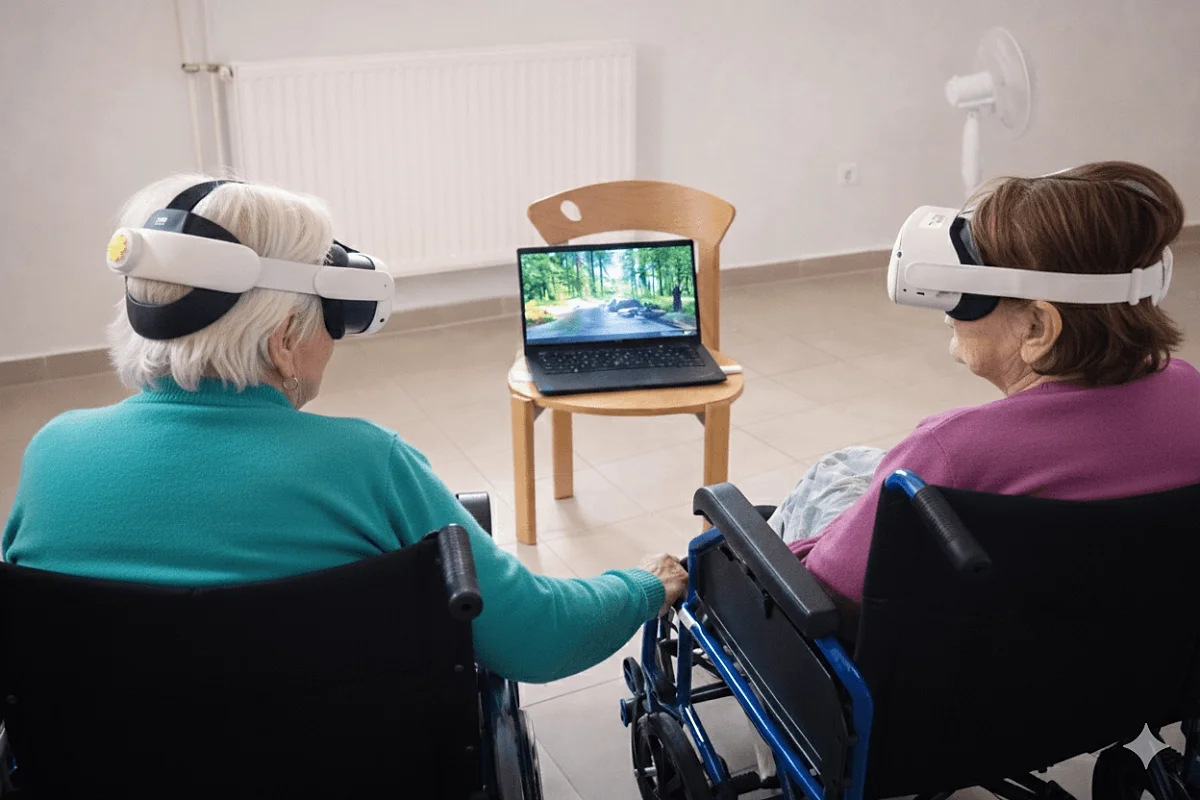
The Future Care Lab explores how design can reimagine the future of care at the intersection of technology, arts, and care practices. It approaches ageing, mental health, chronic illness, and disability as social and cultural realities as much as medical ones.
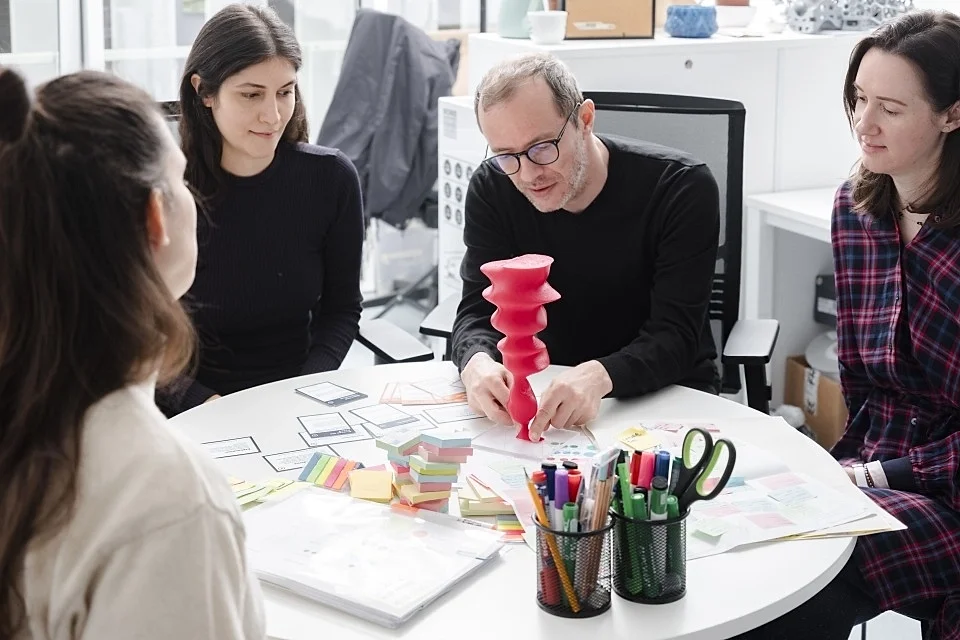
The lab addresses socio-ecological challenges through design research methods, working with local communities, municipalities, experts, and the natural environment, and using design to shape systems and build communities.
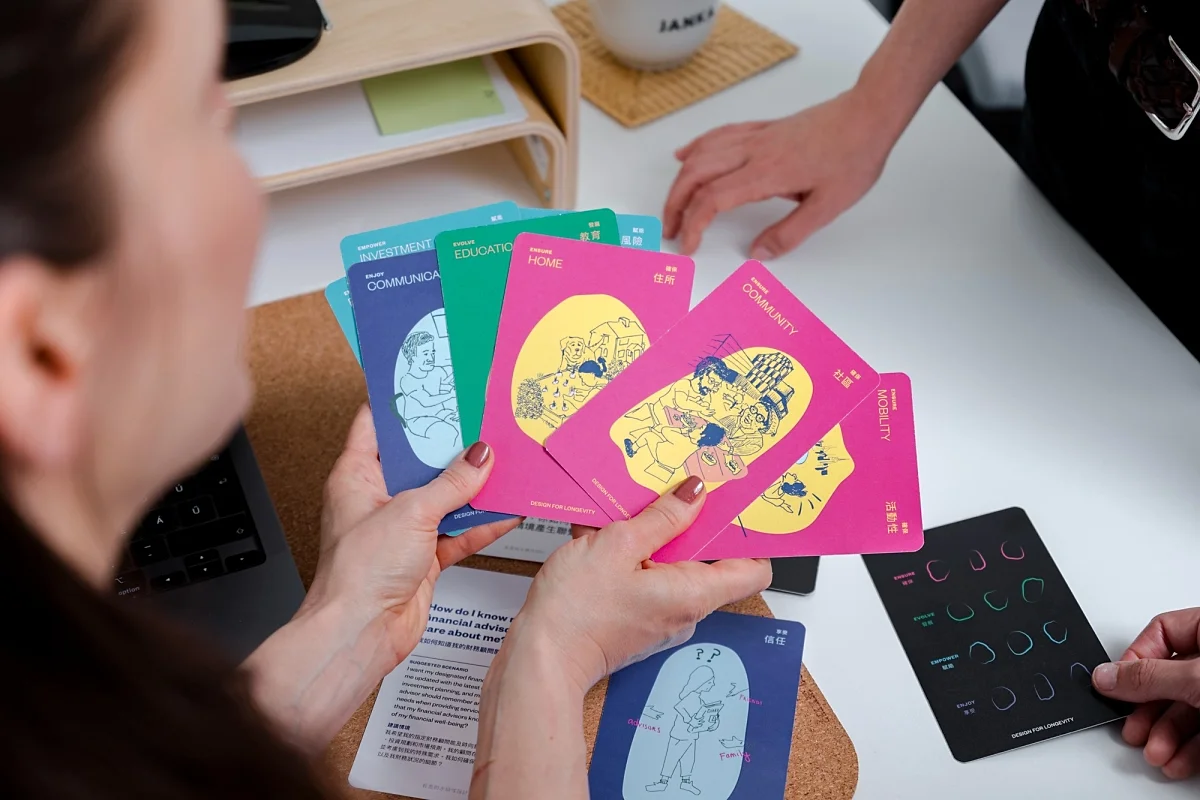
The lab investigates social phenomena such as migration, social reproduction, gender equity, and urban cohabitation through participatory, practice-based design research.
Related hubs

he changing climate, evolving human needs, and concerns about future resilience require a fundamental rethinking of the resources and materials we use. We adopt a material-driven design approach to explore and redefine the relationship between humanity and the resources in our environment, aiming to shape the future of food and materials.
MOME's Research Labs will operate from 2025, evolving from the previous Research Hubs.