Moholy-Nagy University of Art and Design
Society and Action Lab
The lab investigates social phenomena such as migration, social reproduction, gender equity, and urban cohabitation through participatory, practice-based design research.
It aims to use design as a tool for social innovation, grounded in a responsible design and creative mindset.
As an active member of the international Social Design Network, the lab integrates the knowledge of 32 institutions across 22 countries, and places strong emphasis on educating socially responsible artists and designers, and cultivating socially engaged changemakers.

How can waterscapes be designed as places that are accessible, inclusive, and genuinely shaped by the communities who use them? This workshop explores these questions through the Waterside Voices approach, drawing on insights and methods developed through an international design research project focused on the social, spatial, and community dimensions of waterside environments.
The workshop introduces a methodological framework developed by the Society&Action Lab, combining theoretical perspectives with practical, participatory tools for working with waterscape planning and design. Drawing on real-life Living Lab case studies from across Europe—including Brussels, Rijeka, and Budapest—the workshop examines how different communities engage with, experience, and take ownership of their waterfronts and waterside spaces.

The afternoon program explores the dynamic intersection of design and the performing arts, highlighting how collaborative creative processes can foster new forms of participation, experimentation, and social engagement. Through a panel discussion, project presentations, and a student showcase, MOME researchers, educators, students, and invited experts will share interdisciplinary collaborations spanning dance, music, circus, theatre, and other performative practices. The panel explores how participation can contribute to meaningful social interaction as well as a deeper understanding of various communities through embodied experience in perfomraative practices.
Panel participants: Erzsébet Hosszu, Mateja Softić, Ábris Gryllus, Petrány Eszter
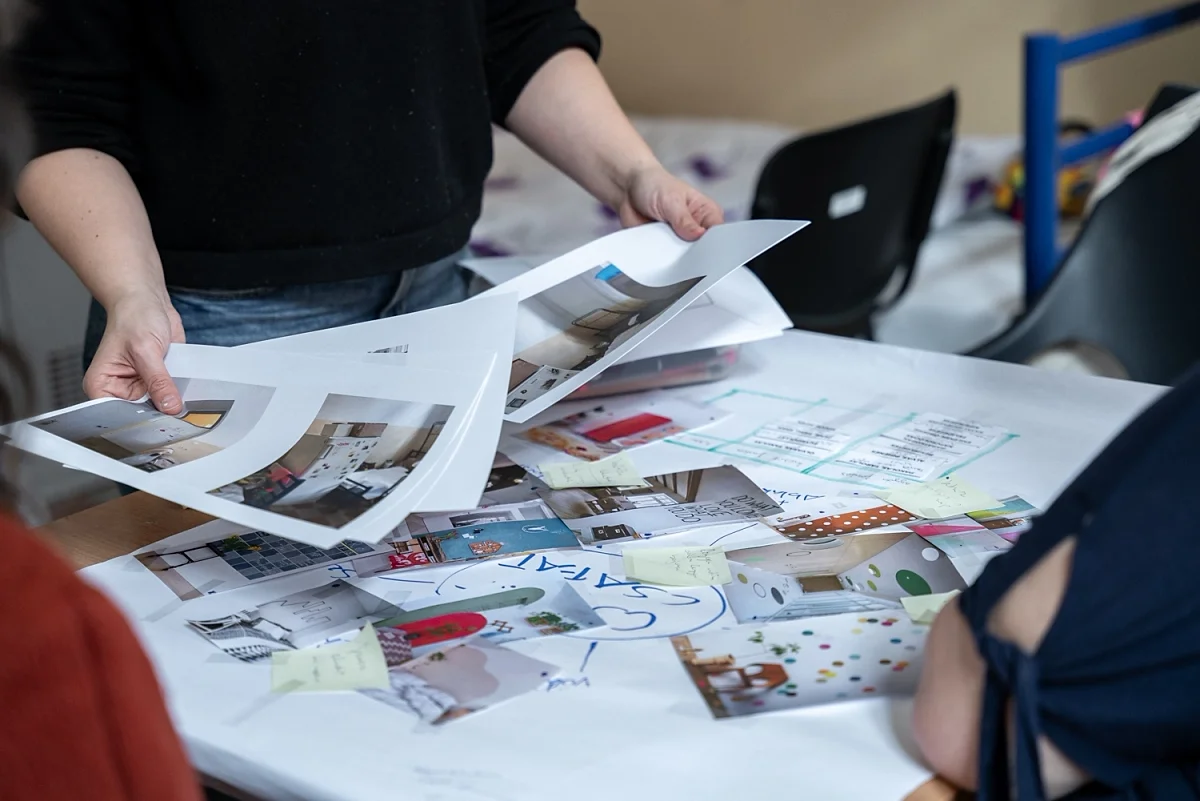
The project explores the connection between environmental loss and design in fostering a caring environment. An interdisciplinary team integrates knowledge on supportive environments, participatory design, and homelessness to develop a new research area. Through a pilot intervention at the Budapest Methodological Centre of Social Policy and Its Institutions (BMSZKI) Alföldi Temporary Shelter, the project explores how participatory design can be embedded in shelter regulations to enhance long-term services. The project aims to foster knowledge sharing across mental health, environmental studies, and design, ultimately creating a cross-institutional research framework and a tested methodology for future studies.

The Cloudfactory was a long term collaborative social design project, the aim of which was to foster creativity and community resilience among vulnerable kids of rural background through design-based co-creational processes.

Social Design Network (SDN) is an international group of like-minded individuals who are willing to take proactive steps and initiate positive change together to reframe and further develop the approach of social design on a global scale.

The work-in-progress research aims to explore how social design might facilitate children's physical and mental safety regarding the inclusivity of public places and mobility formats through placemaking. It has been an ongoing collaboration with the lead of MOME Social Design Hub, together with the Municipality of the 7th district of Budapest, the Centre for Budapest Transport (BKK), and the ELTE PPK Institute of People–Environment Transaction, aiming to tackle the needs of children (age group 10-13) in lights of public transportation, micro and active mobility intensively focusing on the usage and opportunities of public places around their school.

The aim of the project is to develop a design method-based toolkit in partnership that contributes to and facilitates the development of creative competences of the children of the 300 most impoverished villages of Hungary, participating in the Presence Program of the Hungarian Charity Service of the Order of Malta.
The long-term goal of the project is to establish a sustainable partnership between the two institutions that can deliver socially engaged design projects in an adaptable form to children from disadvantaged communities in the Hungary and the CEE region.

The FRUSKA research project is an interdisciplinary design workshop that offers creativity development programs for disadvantaged young girls. With the addition of a mobile workshop bus, the FRUSKA program can now reach rural areas of Hungary where access to such opportunities has been limited. Through hands-on making and customization activities, participants strengthen their technological, self-awareness, and social skills—improving their long-term opportunities and confidence.
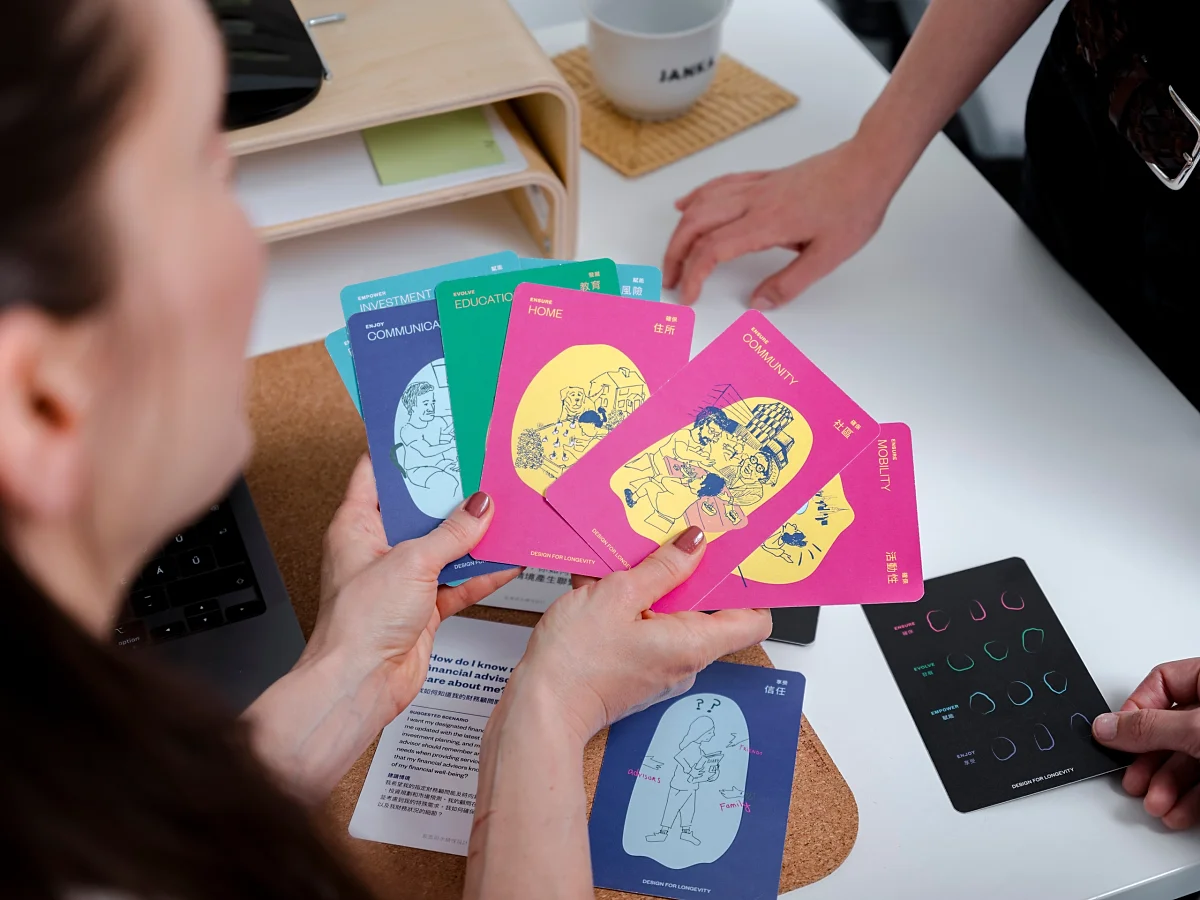
D4L for GE (Design for Longevity through the lens of Gender Equity) is a collaborative research project between MOME Social Design Hub and MIT AgeLab.

Change Agents is a cooperation partnerships in higher education funded by the Erasmus+ programme of the European Union. The project consortium consists of six higher education institutions - with Moholy-Nagy University of Art and Design as project coordinator - and two NGOs as associated partners.

During the pandemic, the Social Design Research Group in collaboration with various teachers of MOME tried to respond to the effects of home isolation that can trigger special difficulties in various life situations.
Lab management
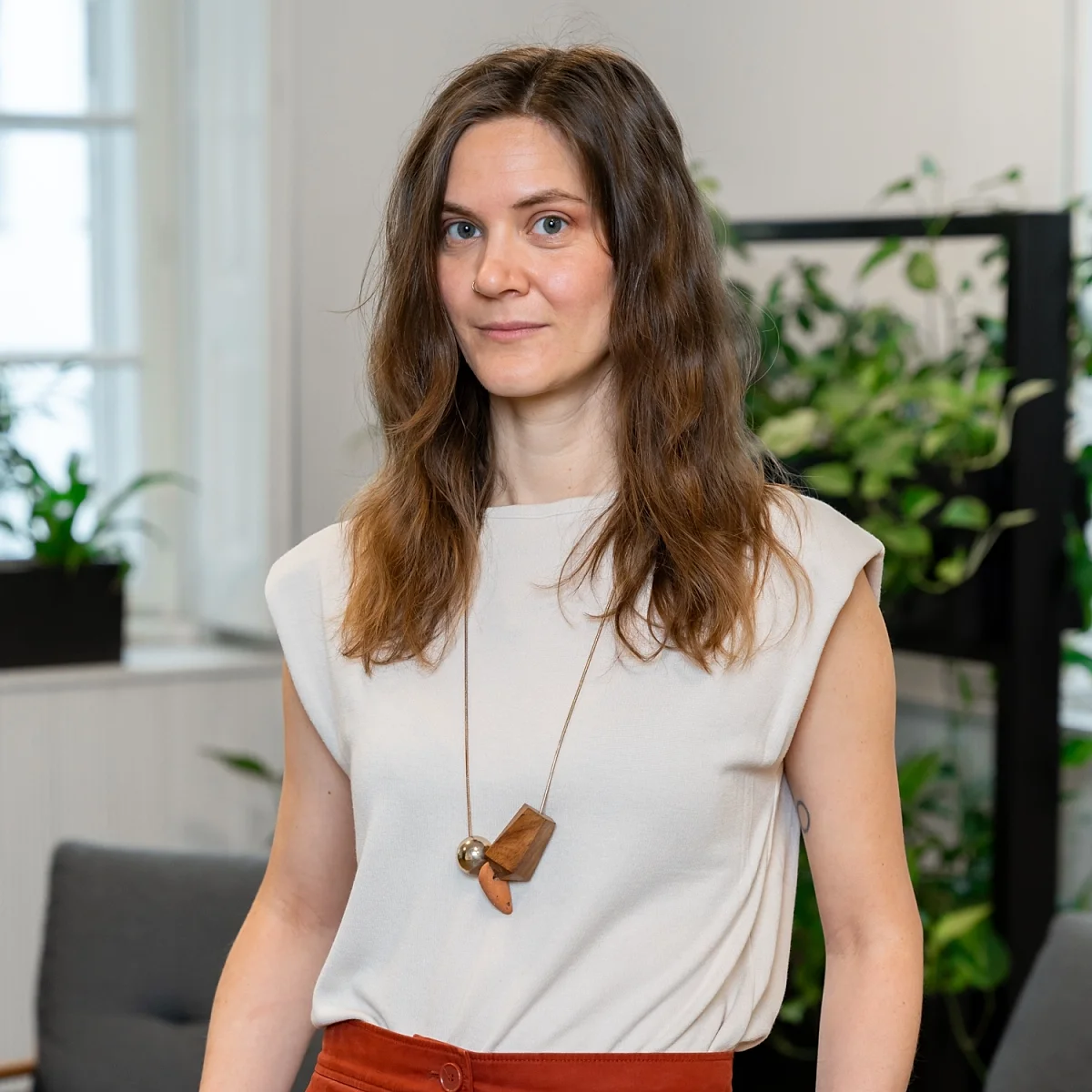
Researchers

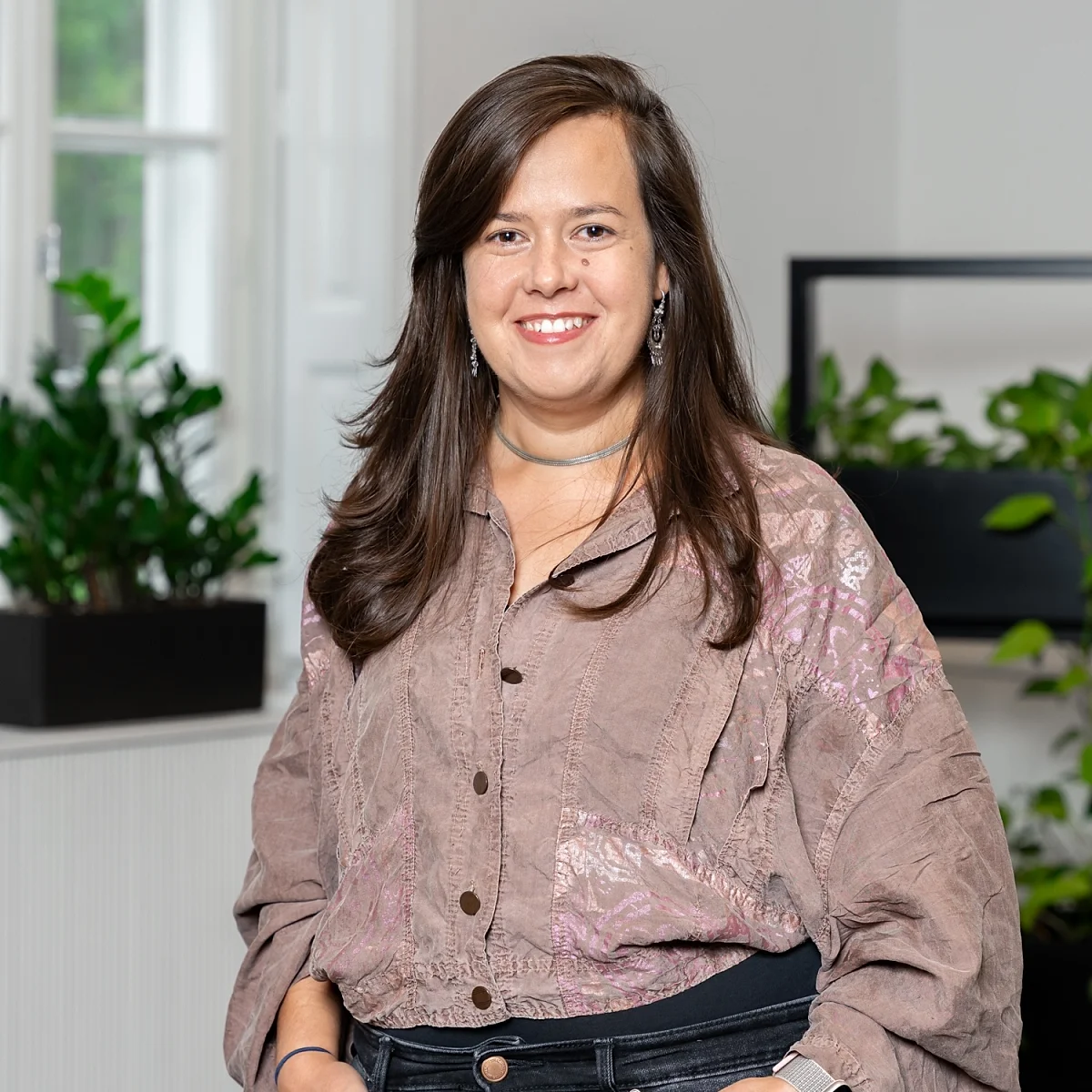
PreMOME teacher, Researcher, tudományos munkatárs



Researcher, Tudományos segédmunkatárs
Labs
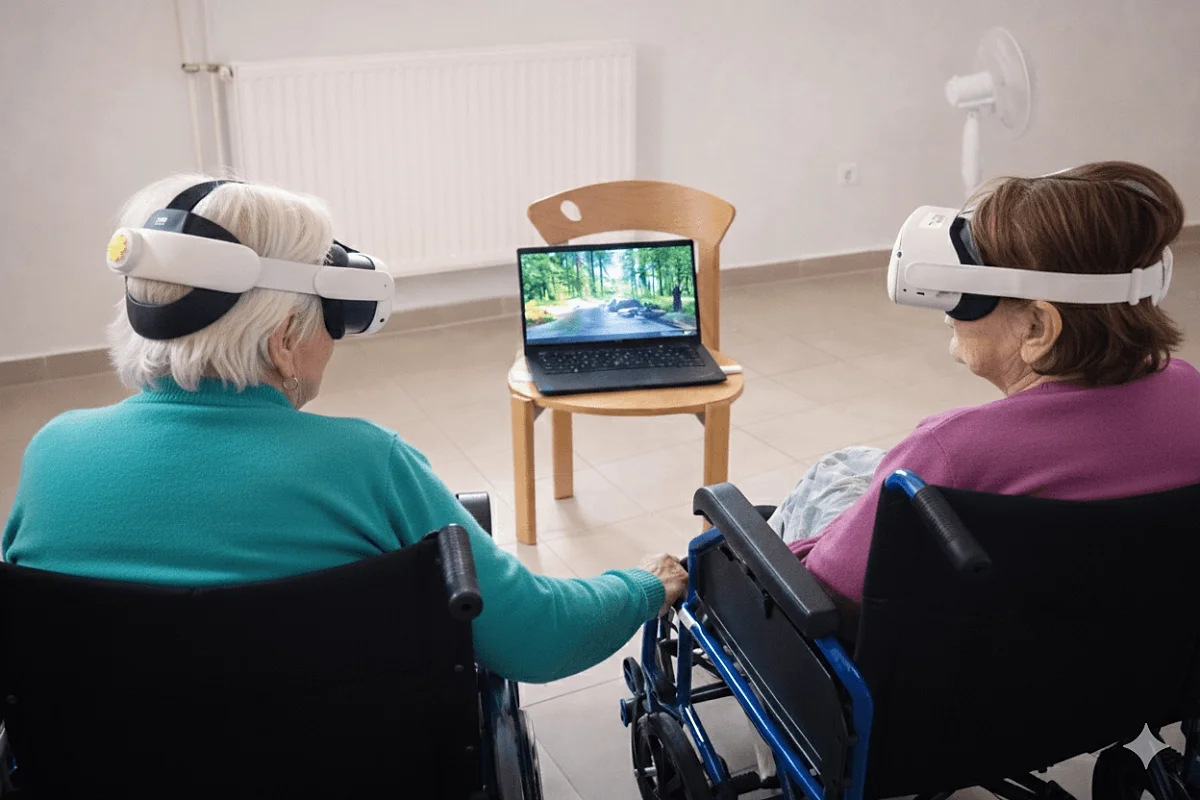
The Future Care Lab explores how design can reimagine the future of care at the intersection of technology, arts, and care practices. It approaches ageing, mental health, chronic illness, and disability as social and cultural realities as much as medical ones.
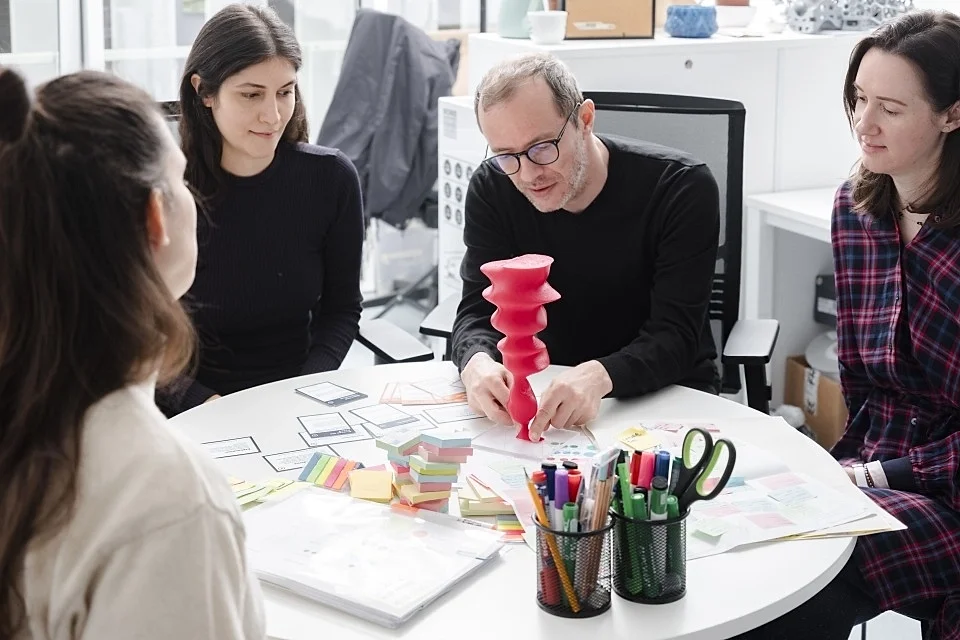
The lab addresses socio-ecological challenges through design research methods, working with local communities, municipalities, experts, and the natural environment, and using design to shape systems and build communities.
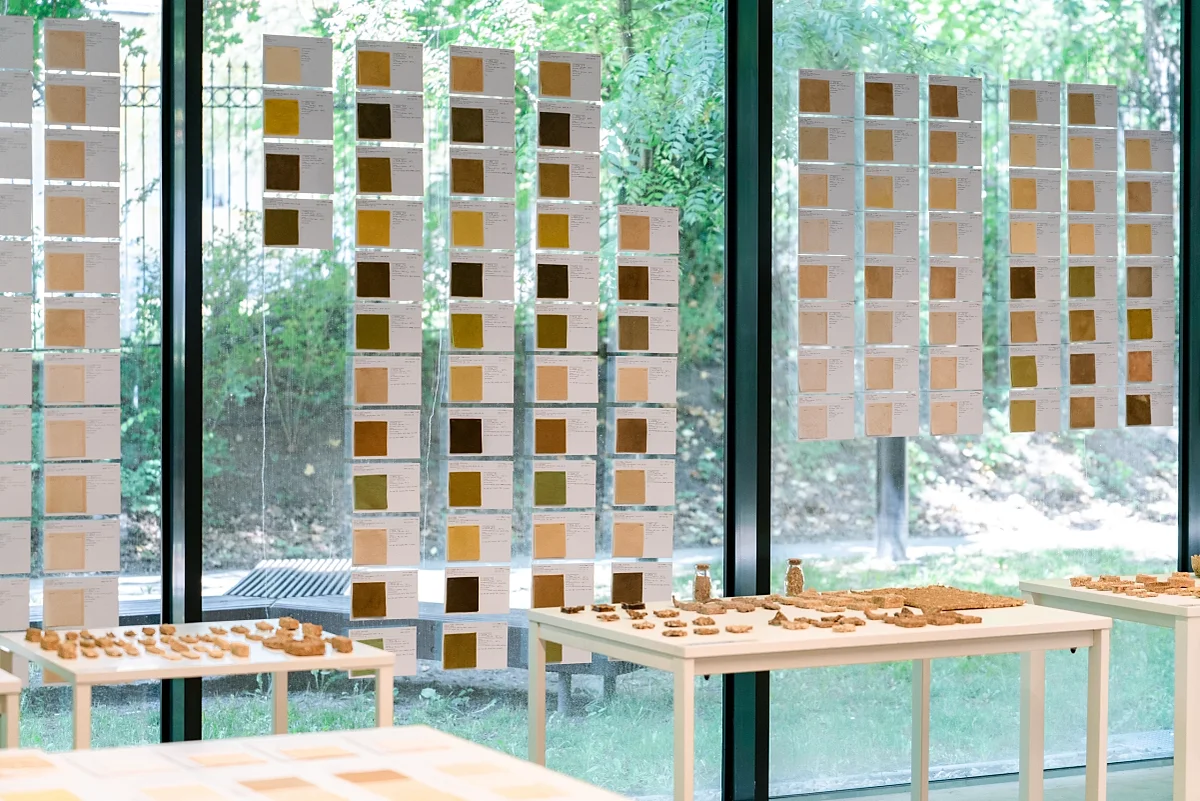
The lab explores cultural heritage at the intersection of design, technology, and emerging materials. Its research examines how AI can shape the future, accessibility, and understanding of cultural heritage, with a particular focus on Hungarian culture.
Related hubs

Climate change, social inequalities, urban mobility, and other pressing issues compel us to think together about ways design can support positive changes. Our hub’s participatory, practice-based design research contributes to creating a more sustainable economy and a resilient society for everyone.
MOME's Research Labs will operate from 2025, evolving from the previous Research Hubs.