Moholy-Nagy University of Art and Design
Ecology and Action Lab
The lab addresses socio-ecological challenges through design research methods, working with local communities, municipalities, experts, and the natural environment, and using design to shape systems and build communities.
Alongside promoting a sustainability mindset, it develops practical, adaptable strategies and methods.
Its work centres on three key areas: more-than-human perspectives, ecosystem resilience, and environmental literacy.
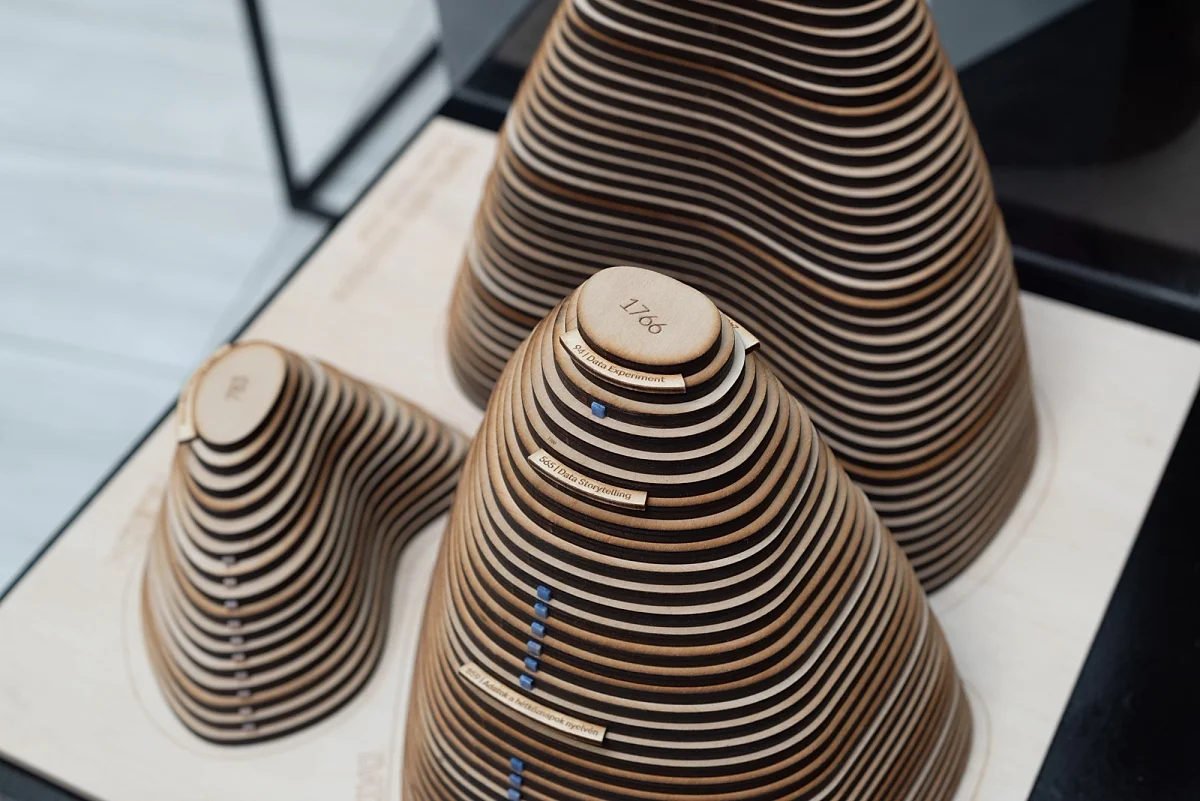
One of Hungarian Telekom's priorities is to train and educate its employees. They made this possible this year within several themes, one of which was in collaboration with our Data Storytelling Hub. The Hub’s staff provided mentoring and consultation to participants in the training programme, and the completed data stories were presented in the form of an exhibition at the end of the programme.

As data visualization becomes increasingly pervasive, a fundamental question arises: How can we ensure that experts and non-experts actively participate in the design process of data-driven storytelling? Our research proposal, in collaboration with HUN-REN Centre for Energy Research, seeks to answer this critical question by delving into the design space of data-driven storytelling and developing innovative co-creation tools to enhance science communication.
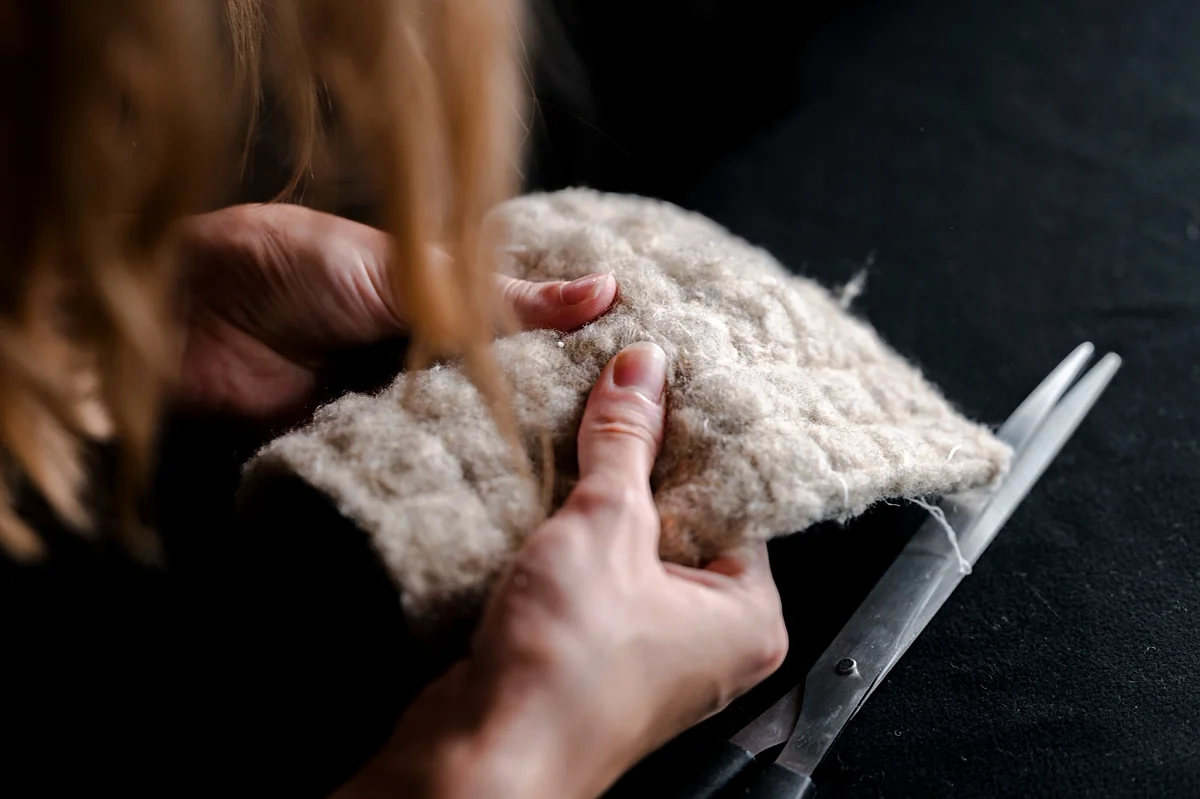
The Conscious Textile Group conducted a design-led research project on textile recycling. The aim of the project is to create high quality textile materials from reclaimed fibres that can be re-integrated into the textile industry, creating a closed-loop recycling system.
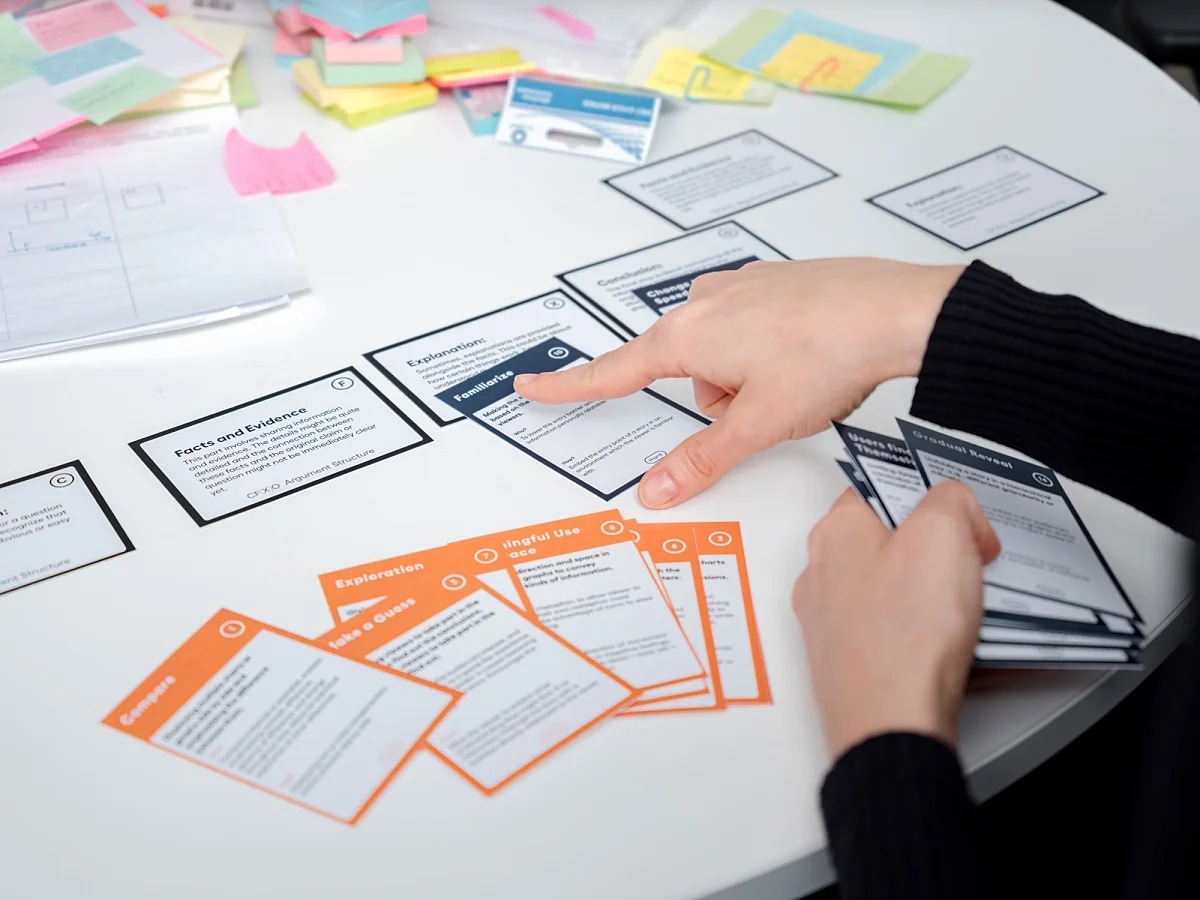
This research project explores how scientific organizations can use co-design and data storytelling to effectively communicate complex information to non-expert audiences. Addressing a critical gap in science communication, it focuses on developing innovative methods and tools for making data-driven narratives both accessible and engaging, while ensuring accuracy and resonance with diverse stakeholders.
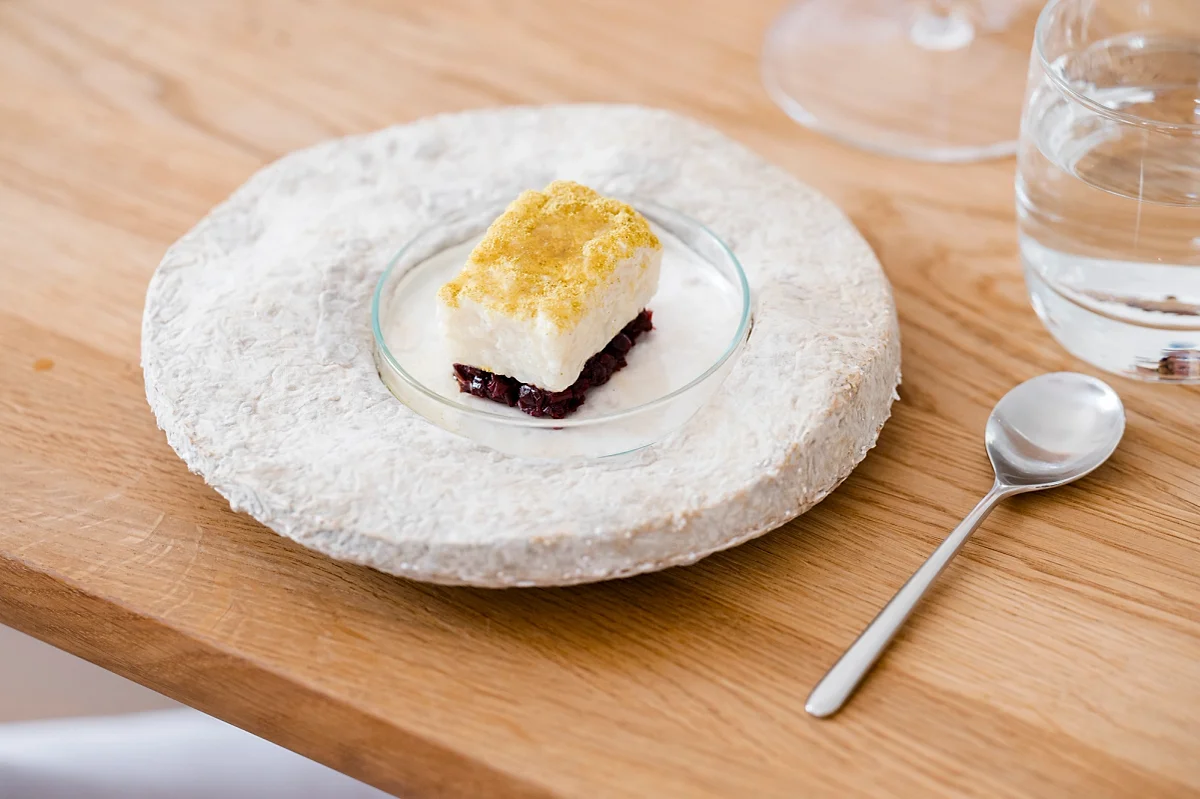
SALT, a Michelin star restaurant based in Budapest, has asked us to create a mycelium composite platter to be used as a dessert serving plate. The realisation of a unique design, developed in consultation with the client, proved to be a challenging yet rewarding project where we could contribute to the future of a more circular gastronomy.

We work to find solutions to the challenges of protecting freshwater reedbeds. Reedbeds are natural habitats of great importance to aquatic life. However, the destruction and fragmentation of reedbeds has serious consequences for the ecosystem as a whole.

This research aims to expand urban placemaking toolkits to species other than humans, combined with methodologies that prompt urban professionals to consider natural elements and ecological systems equal parts or users of the urban space.
Lab management

Researchers

Researcher

Labs
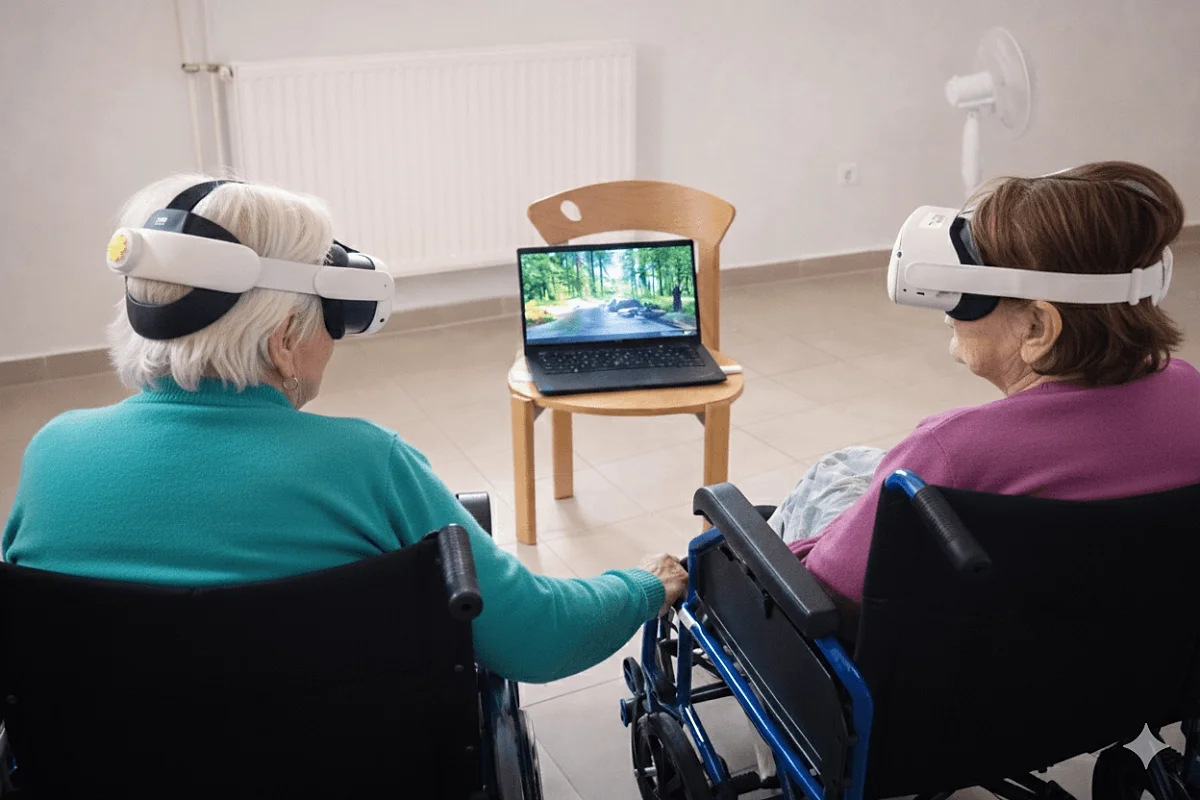
The Future Care Lab explores how design can reimagine the future of care at the intersection of technology, arts, and care practices. It approaches ageing, mental health, chronic illness, and disability as social and cultural realities as much as medical ones.
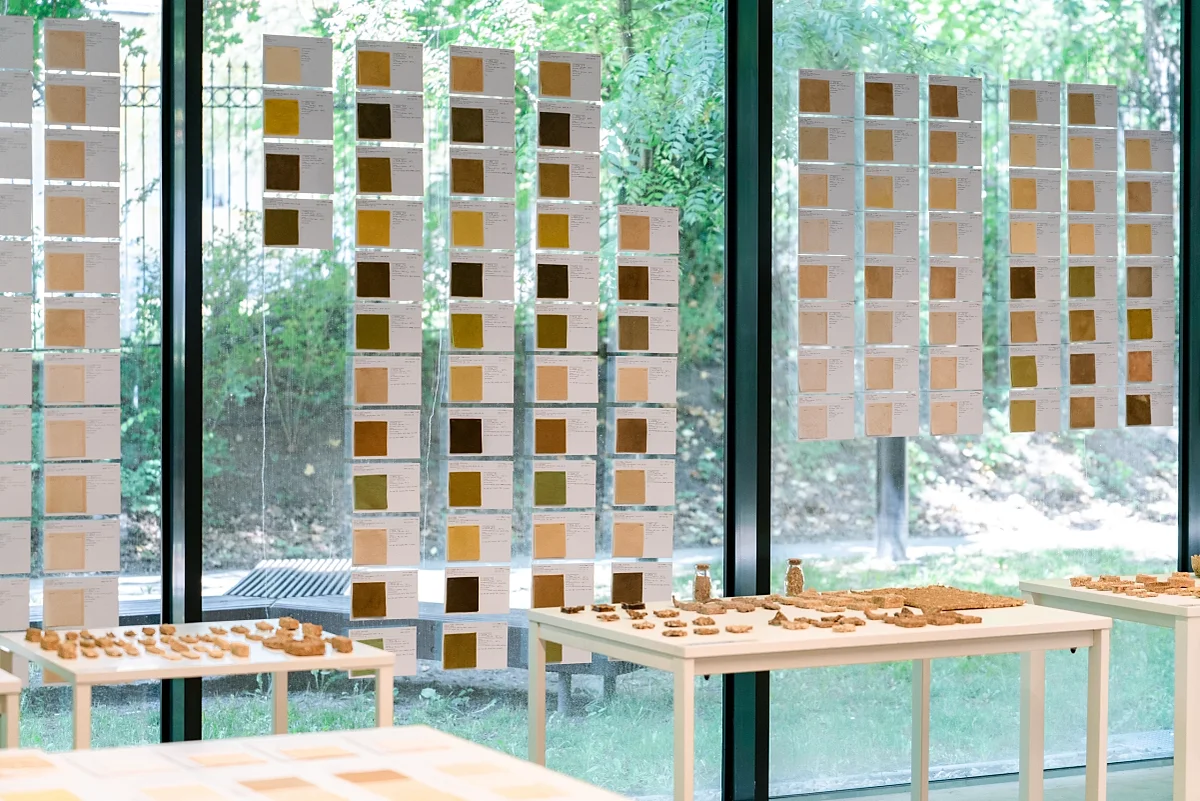
The lab explores cultural heritage at the intersection of design, technology, and emerging materials. Its research examines how AI can shape the future, accessibility, and understanding of cultural heritage, with a particular focus on Hungarian culture.
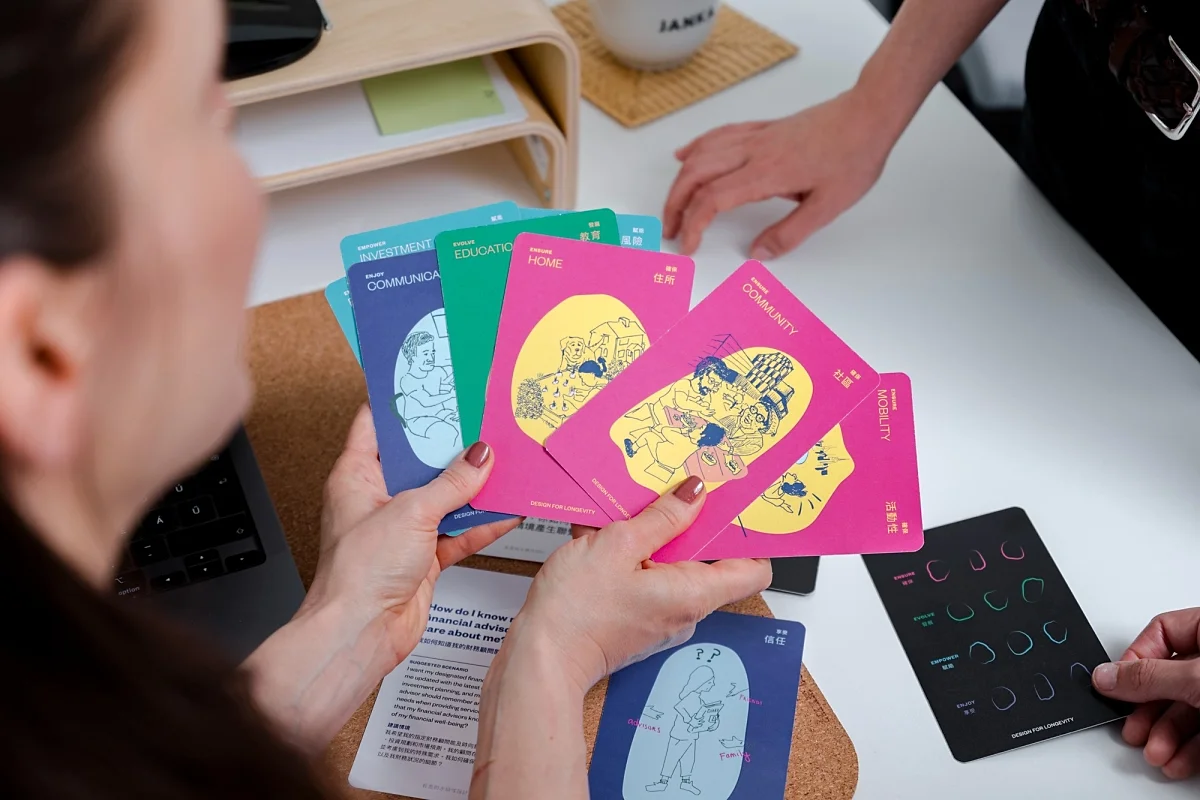
The lab investigates social phenomena such as migration, social reproduction, gender equity, and urban cohabitation through participatory, practice-based design research.
Related hubs

he changing climate, evolving human needs, and concerns about future resilience require a fundamental rethinking of the resources and materials we use. We adopt a material-driven design approach to explore and redefine the relationship between humanity and the resources in our environment, aiming to shape the future of food and materials.

Over the past decades, the surge in data generation for, about and by individuals has made data narratives increasingly complex, and often challenging for non-experts to understand. Our research aims to demystify these data narratives, enabling people to understand, interpret, and use data more effectively. By doing so, we promote clearer, more inclusive, and transparent human-data interactions in daily life.
MOME's Research Labs will operate from 2025, evolving from the previous Research Hubs.